Project Management, Resource Management
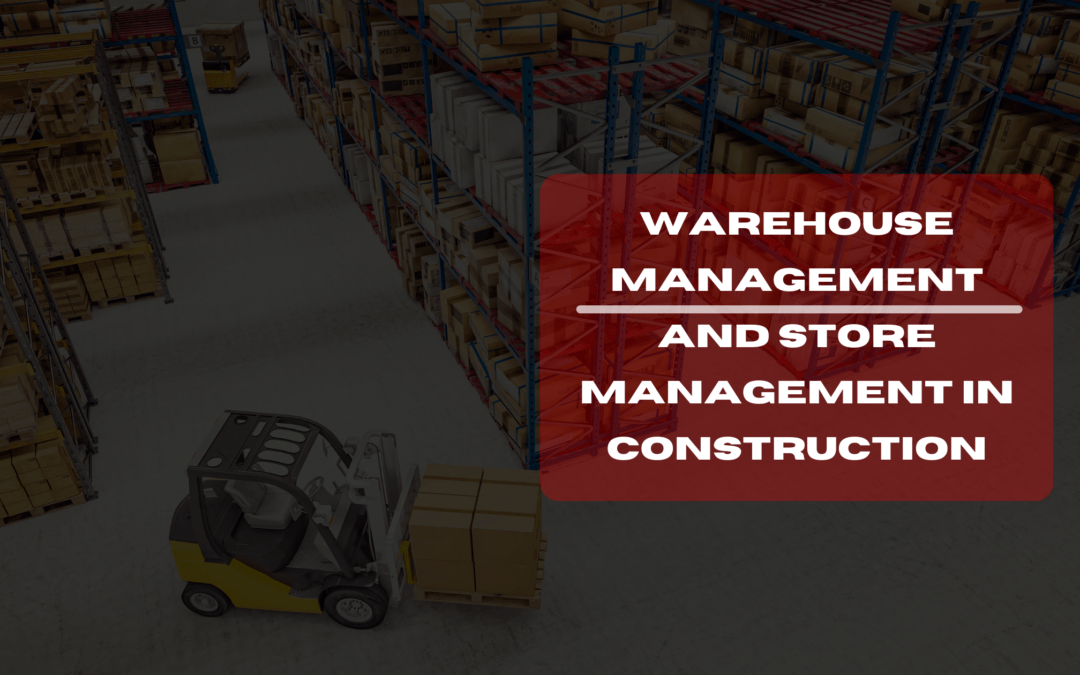
Warehouse Management and Store Management in Construction
Warehouse management and store management are two indispensable aspects of construction project resource management. While they both deal with the storage and control of construction materials, they have distinct purposes and operational characteristics. In this article, we will delve into the differences between warehouse management and store management in the context of construction projects, shedding light on their unique roles and significance.
Understanding Warehouse Management
Definition: Warehouse management in construction refers to the systematic control, organization, and supervision of a physical facility known as a warehouse. This facility serves as a centralized storage location for a wide range of construction materials, machinery, and equipment.
Key Characteristics of Warehouse Management:
- Scale: Warehouses are typically large and spacious, designed to accommodate a diverse array of construction materials and equipment. They have substantial storage capacity.
- Location: Warehouses are strategically positioned, often in proximity to construction sites or in areas that facilitate efficient transportation and distribution.
- Inventory Management: Warehouse management involves the meticulous tracking, organizing, and monitoring of inventory levels. It deals with a diverse range of materials in significant quantities.
- Equipment Handling: Warehouses may house heavy machinery and equipment, which requires specialized handling and maintenance.
- Distribution Hub: Warehouses often function as distribution hubs, where materials are received, sorted, and dispatched to various construction sites or stores based on project needs.
Understanding Store Management
Definition: Store management in construction pertains to the management of smaller, decentralized storage locations, often referred to as stores or storage areas. These stores are strategically positioned within or near construction sites to provide quick and convenient access to essential materials during ongoing projects.
Key Characteristics of Store Management:
- Scale: Stores are relatively smaller in size compared to warehouses. They are designed to accommodate materials needed for specific phases of a construction project.
- Proximity to Worksite: Stores are typically located in close proximity to the construction site they serve. This ensures rapid access to materials required for immediate tasks.
- Material Specificity: Stores primarily stock materials and supplies needed for particular tasks or phases of a construction project. For instance, a store near the foundation work area may stock concrete and reinforcing bars.
- Inventory Control: Store management emphasizes meticulous control over materials specific to immediate construction requirements. Inventory levels are closely monitored to prevent shortages or overstocking.
- Ease of Access: Stores are strategically positioned to provide easy access for construction crews. This minimizes downtime and delays associated with waiting for materials to be transported from a central warehouse.
Key Differences Between Warehouse Management and Store Management
Now, let’s explore the key differences that distinguish warehouse management from store management:
- Purpose: Warehouse management primarily focuses on storing and managing a wide variety of construction materials, machinery, and equipment on a larger scale. In contrast, store management is geared towards providing quick and convenient access to specific materials needed for immediate construction tasks.
- Scale: Warehouses are larger and possess greater storage capacity, catering to bulk materials and equipment. Stores are smaller and store materials specific to the current phase or area of the construction site.
- Location: Warehouses are often strategically located for efficient distribution to multiple construction sites. Stores are positioned in close proximity to the specific site they serve, minimizing transportation time.
- Inventory Management: Warehouse management involves the complex task of overseeing a diverse range of materials in substantial quantities. Store management focuses on controlling materials tailored to immediate project requirements.
- Distribution: Warehouses often serve as distribution centers for multiple construction sites, handling a wide range of materials. Stores primarily serve the construction site they are situated in or nearby, supplying materials specific to that site’s needs.
“Efficiency is doing things right; effectiveness is doing the right things.” – Peter Drucker
This insightful quote by management guru Peter Drucker underscores the importance of both warehouse management and store management in construction projects. While warehouse management ensures the efficiency of material storage and distribution on a broader scale, store management ensures the effectiveness of material access and availability precisely where and when it’s needed.
In conclusion, warehouse management and store management are complementary components of construction project resource management. Understanding their differences and roles is essential for efficient resource allocation, cost control, and timely project execution in the construction industry. Both aspects contribute to the overall success and productivity of construction projects, ensuring that materials are handled effectively throughout the project’s lifecycle.
Resource Management, Project Management
Objective of Material Management in Construction
Material management is a fundamental aspect of construction project management that plays a pivotal role in ensuring the successful execution of construction projects. It is a discipline that demands meticulous planning, organization, and control of the materials required for construction. In this article, we will delve into the objective of material management in construction, shedding light on its significance and the multifaceted goals it aims to achieve.
The Core Objective
At its essence, the objective of material management in construction can be succinctly summarized as follows: “To ensure that the right materials are available at the right place, at the right time, and in the right quantity.” This seemingly straightforward statement encapsulates the intricacies and challenges that material management addresses within construction projects.
Let’s break down this objective to understand its various components:
1. Availability of Materials
Material management encompasses the careful planning and coordination of material availability. It involves ensuring that the required materials are accessible both on-site and off-site. Availability means that the necessary materials are in stock and ready to be deployed as needed.
2. Timing Matters
In construction, timing is critical. The objective of material management includes precise timing – materials must be available precisely when they are needed. Delays in material supply can result in costly project setbacks and disruptions.
3. Location Matters
Materials need to be strategically positioned at various locations within the construction site. Proper organization and storage prevent confusion and save valuable time. Accessibility is key to keeping the construction process efficient.
4. Quantity Control
Effective material management ensures that there is neither an excess nor a shortage of materials. Overstocking can tie up capital and storage space, while shortages can bring project progress to a standstill. The right quantity of materials is essential.
5. Quality Control
Quality control is an integral part of material management. It ensures that the materials being used meet the required standards and specifications. Subpar materials can compromise the integrity and durability of the construction.
6. Cost Efficiency
Efficient material management aims to minimize costs associated with material procurement, storage, and transportation. In the construction industry, where budgets can be tight, cost optimization is crucial for the financial success of a project.
7. Waste Reduction
Wastage of materials can be a significant concern in construction. Effective material management minimizes wastage, reducing project costs and environmental impact. Sustainable construction practices are increasingly important.
8. Risk Mitigation
Material management strategies should include risk assessment and mitigation plans. Risks such as supplier delays, material shortages, or unforeseen events can disrupt material supply chains. Being prepared to mitigate these risks is vital.
The Significance of Material Management
Understanding the objective of material management is crucial because it addresses one of the most common challenges in construction projects: the dynamic and complex nature of materials. Construction projects require a wide range of materials, from concrete and steel to fixtures and fittings. Each material comes with its unique characteristics, lead times, and challenges.
Effective material management serves several critical purposes:
- Project Efficiency: When materials are managed effectively, construction projects proceed smoothly. Delays due to material shortages or incorrect materials are minimized, keeping the project on schedule.
- Cost Savings: Proper material management prevents overstocking and wastage, leading to cost savings. Efficient use of materials is key to financial success.
- Quality Assurance: Ensuring that the right materials are used according to specifications guarantees the quality and durability of the construction.
- Environmental Responsibility: Responsible material management reduces waste and its environmental impact. Sustainable construction practices are becoming increasingly important.
- Competitive Advantage: Effective material management can provide a competitive edge. Timely project completion, cost savings, and quality work attract clients and enhance a company’s reputation.
- Risk Reduction: By identifying and mitigating risks related to material supply and usage, material management minimizes the chances of costly disruptions.
Conclusion
In conclusion, the objective of material management in construction is all about ensuring that materials are handled efficiently from procurement to disposal. It’s about having the right materials, in the right quantities, at the right time and place, all while controlling costs, reducing waste, and maintaining quality. This objective underpins the success of construction projects, making it a core competency for professionals in the construction industry and an essential topic of study for students pursuing a Masters of Architecture program.
Material management is not just a logistical task; it’s a strategic approach that aligns resources with project goals, ultimately leading to successful and sustainable construction endeavors.
Project Management, Inventory Management, Resource Management
Key Strategies for Effective Inventory Control in Construction Projects
Effective inventory control is the cornerstone of successful construction project management. It’s the art of ensuring that the right materials are available when needed, in the right quantities, and at the right locations. This not only keeps construction projects on schedule but also contributes to cost savings and overall project quality. Whether you’re a student pursuing a Masters of Architecture program or a professional in the construction industry, understanding the key strategies for effective inventory control is paramount. In this article, we’ll explore these strategies in detail, providing you with valuable insights.
The Foundation: Comprehensive Material Classification
The first step to effective inventory control is a robust material classification system. Imagine it as the blueprint that organizes your materials. Materials are categorized based on attributes such as type, usage, size, and source. This classification provides clarity about what materials are in stock and what is needed for ongoing and future projects.
The Glue: Standardized Codification
Codification complements classification by assigning unique identifiers or codes to materials within each category. These codes follow a structured format, creating a standardized way of referencing materials. Standardization is crucial for clear communication within the organization and with suppliers. It reduces the likelihood of errors and misunderstandings, ensuring that the right materials are procured and used.
“Efficiency is doing things right; effectiveness is doing the right things.” – Peter Drucker
In construction material management, efficiency is about organizing and accessing materials effectively, and that’s precisely what classification and codification help achieve.
Regular Audits and Monitoring
Regular audits and monitoring of inventory are essential to ensure accuracy and prevent discrepancies. Audits involve physically checking the inventory against the records to identify any discrepancies. Monitoring involves tracking material usage and restocking patterns. Both practices help in maintaining optimal stock levels, preventing overstocking, and reducing the risk of material shortages.
Efficient Procurement Practices
Efficient procurement practices are crucial for effective inventory control. This involves optimizing the procurement process by:
- Vendor Evaluation: Assessing and selecting reliable suppliers based on factors like quality, cost, and delivery times.
- Just-in-Time (JIT) Procurement: Procuring materials just when they are needed, minimizing storage costs.
- Bulk Purchasing: Negotiating bulk purchase agreements to secure discounts for commonly used materials.
Technology Integration
Incorporating technology into inventory control can significantly enhance efficiency. Materials management software, barcoding systems, and RFID (Radio-Frequency Identification) technology can streamline tracking, reduce manual errors, and provide real-time visibility into inventory levels. These tools enable construction teams to make informed decisions and respond quickly to material needs.
Material Handling and Storage
Efficient material handling and storage practices are essential to prevent material damage and loss. This includes proper stacking, organizing, and securing materials to prevent accidents and deterioration. Material storage areas should be well-maintained, with clear labeling to facilitate easy identification.
Forecasting and Demand Planning
Effective inventory control involves forecasting future material requirements based on project schedules and historical usage data. Demand planning helps in anticipating material needs, ensuring that materials are procured well in advance to prevent delays and shortages.
Collaboration and Communication
Effective collaboration and communication among project stakeholders are critical for inventory control. This includes regular meetings and updates between procurement teams, project managers, and on-site personnel. Clear communication ensures that everyone is aligned with project material requirements and any changes that may arise.
Training and Skill Development
Ensuring that personnel involved in inventory control are well-trained and possess the necessary skills is vital. Training programs should cover aspects like material handling, record-keeping, and the use of inventory management software. Skilled personnel are more likely to make accurate decisions and prevent costly errors.
Risk Management and Contingency Planning
Construction projects are susceptible to unforeseen events that can disrupt material supply chains. Effective inventory control includes risk management and contingency planning. This involves identifying potential risks, such as supplier delays or natural disasters, and having backup plans in place to mitigate these risks without causing project delays.
In conclusion, effective inventory control is a multifaceted aspect of construction project management. It requires a combination of well-defined processes, technology integration, skilled personnel, and proactive planning. By implementing these key strategies, construction projects can optimize material usage, reduce costs, prevent delays, and ultimately enhance project success. For students and professionals in the construction industry, mastering these strategies is a crucial step toward becoming proficient in construction project management.
Project Management, Inventory Management, Resource Management
Differentiating Inventory Control and Managing Raw Material Flow in Construction
In the realm of construction project management, where precision and efficiency are paramount, material management plays a pivotal role. Two essential components of material management are inventory control and the management of the flow of raw materials. While these concepts may seem related, they serve distinct purposes and are crucial for the successful execution of construction projects.
This article aims to differentiate between inventory control and managing the flow of raw materials, shedding light on their unique roles and significance in construction operations. We will explore these concepts in detail, providing valuable insights for students pursuing a Masters of Architecture program.
Understanding Inventory Control
Inventory control is the systematic management of materials and supplies that a construction company holds in stock. It is a comprehensive approach to ensure that the right materials are available when needed, in the right quantities, and at the right locations. Let’s delve into the core characteristics of inventory control:
- Optimizing Stock Levels: Inventory control involves assessing the optimal stock levels for various materials. This prevents overstocking, which can tie up capital and storage space, and understocking, which can lead to project delays.
- Tracking Material Usage: Construction companies use inventory control systems to monitor the usage of materials. This includes recording when materials are used, by whom, and for which project.
- Preventing Material Shortages: By proactively managing inventory, construction companies can prevent material shortages. Running out of critical materials can result in costly project delays and interruptions.
- Cost Management: Inventory control helps manage costs by reducing carrying costs (the expenses associated with holding inventory), preventing theft or loss, and optimizing procurement practices.
Managing the Flow of Raw Materials
Managing the flow of raw materials is the process of ensuring a continuous and timely supply of materials to the construction site as needed for ongoing construction activities. This aspect focuses on the logistics of material delivery and usage. Here are the key characteristics of managing the flow of raw materials:
- Timely Deliveries: Managing the flow of raw materials involves planning and scheduling deliveries to align with construction timelines. This ensures that materials arrive just in time for their use, reducing the need for on-site storage.
- Efficient Material Handling: It includes the safe and efficient handling of materials on the construction site. This involves transporting materials from the delivery point to the exact location where they are needed, often using equipment like cranes, forklifts, or conveyor belts.
- Quality Control: Managing the flow of raw materials requires quality checks to ensure that materials meet the specified standards and are suitable for their intended use.
- Coordination: It involves coordinating with suppliers, transporters, and on-site teams to ensure that materials flow smoothly through the supply chain without disruptions.
Key Differences
Now that we’ve clarified the core characteristics of inventory control and managing the flow of raw materials, let’s differentiate between these two crucial functions:
Focus
- Inventory Control: Focuses on the management and monitoring of materials that are already in stock. It ensures that materials are readily available when needed.
- Managing the Flow of Raw Materials: Focuses on the logistics of delivering and handling materials as they move from suppliers to the construction site. It ensures that materials arrive precisely when they are needed during construction.
Timing
- Inventory Control: Ongoing and ensures that materials are ready for use when required.
- Managing the Flow of Raw Materials: Involves planning and scheduling deliveries to match construction timelines, ensuring timely material availability.
Location
- Inventory Control: Concerned with storage and management at on-site or off-site warehouses.
- Managing the Flow of Raw Materials: Focuses on the movement and usage of materials within the construction site.
Scope
- Inventory Control: Encompasses all materials, including those in storage and those actively being used on-site.
- Managing the Flow of Raw Materials: Primarily focuses on the movement and usage of materials currently being brought to the site.
Purpose
- Inventory Control: Aims to optimize stock levels, minimize costs, and prevent material shortages.
- Managing the Flow of Raw Materials: Ensures that construction activities can proceed smoothly without disruptions due to material unavailability.
A Relevant Quote
“Efficiency is doing things right; effectiveness is doing the right things.” — Peter Drucker
In construction material management, efficiency is about organizing and accessing materials effectively, and that’s precisely what classification and codification help achieve.
Conclusion
Inventory control and managing the flow of raw materials are integral aspects of construction material management, each with its distinct role. While inventory control deals with stock optimization and material availability, managing the flow of raw materials focuses on the logistical aspects of timely material delivery, handling, and usage at the construction site.
Together, these functions ensure that construction projects are completed efficiently and on schedule. They prevent costly delays, optimize costs, and contribute to the overall success of construction projects. For students pursuing a Masters of Architecture program, understanding these principles is essential, as they form the foundation of successful construction project management.
In the construction industry, where margins are often tight, these seemingly simple practices can make a world of difference. So, the next time you
see materials neatly organized and identified on a construction site, you’ll know that it’s not just about tidiness; it’s about the efficient, effective management that keeps construction projects on track and successful.
Project Management, Inventory Management, Resource Management
Benefits of Systematic Classification and Codification in Construction
In the fast-paced world of construction project management, precision and efficiency are the keys to success. Every aspect of a construction project, from planning to execution, relies heavily on the seamless management of materials. This is where the systematic classification and codification of materials come into play. These practices, often seen as technicalities, are the unsung heroes of construction material management, offering a multitude of benefits that significantly impact project outcomes.
In this article, we will explore these benefits in detail and shed light on why systematic classification and codification should be a fundamental part of every construction project, particularly for students pursuing a Masters of Architecture program.
The Foundation of Systematic Classification and Codification
Before we dive into the advantages, let’s clarify what we mean by systematic classification and codification in the context of construction material management.
- Classification: This involves categorizing materials based on shared attributes like type, usage, properties, or source. The goal is to bring order to the diversity of materials used in construction.
- Codification: This complements classification by assigning unique identifiers or codes to each material within the defined categories. These codes follow a structured format, creating a standardized way of referencing materials.
Now, let’s explore the profound benefits these practices bring to construction projects.
Enhanced Organization and Accessibility
Streamlined Material Retrieval
In the hustle and bustle of a construction site, time is money. Every minute spent searching for materials is a minute lost in productivity. Systematic classification ensures that materials are grouped logically based on their attributes. This makes it easy for workers to identify and retrieve materials quickly, reducing downtime and keeping the project on schedule.
Simplified Inventory Management
Effective codification complements classification by providing each material with a unique identifier. This standardized labeling system means that anyone within the organization can easily understand what a particular code represents. It simplifies inventory management by offering a clear picture of what materials are in stock, where they are stored, and when they need replenishment.
Error Reduction and Consistency
Fewer Costly Mistakes
Standardization in classification and codification minimizes the chances of errors in material identification and procurement. Imagine a scenario where two similar materials are easily confused, leading to the wrong material being used in a critical construction component. Such mistakes can be costly and time-consuming to rectify. With systematic practices in place, these errors become a rarity, safeguarding the project’s budget and timeline.
Consistency in Documentation
In the world of construction, documentation is crucial. It ensures that everyone is on the same page and that there is a clear record of materials used. Codification ensures consistency in documentation by providing a universal language for materials. Whether it’s on a drawing, in a purchase order, or in a project report, the standardized codes leave no room for ambiguity.
Cost Savings
Optimal Procurement
Efficient procurement is a cornerstone of construction project management. A systematic classification and codification system empower project managers and procurement teams to make well-informed decisions. They can quickly identify what materials are needed, when they are needed, and in what quantities. This optimization prevents over-purchasing and understocking, resulting in significant cost savings over the course of a project.
Reduced Material Wastage
Efficient material management means that materials are less likely to be damaged, lost, or forgotten in storage. Materials are ordered and used when needed, preventing excess stock from sitting idle and deteriorating. The result is reduced material wastage, a common issue in the construction industry, which translates into more cost savings.
Improved Project Productivity
Minimized Downtime
Efficiency in material management directly translates to improved project productivity. When workers can easily access the materials they need, they spend less time searching or waiting for deliveries. This means shorter project durations, reduced labor costs, and increased profitability.
Better Resource Allocation
With materials neatly classified and clearly codified, project managers can allocate resources more effectively. They can assess which materials are readily available, which need to be ordered, and when they should arrive. This knowledge empowers them to optimize resource allocation, reducing bottlenecks and delays.
Competitive Advantage
Reputation for Efficiency
In the competitive landscape of construction, companies known for efficient material management practices stand out. A reputation for streamlined, error-free material handling can attract more clients and premium projects. Clients are more likely to choose companies they can trust to deliver materials on time and within budget.
Enhanced Profitability
Ultimately, systematic classification and codification contribute to increased competitiveness and profitability. By minimizing errors, reducing costs, and improving project efficiency, construction companies can enhance their bottom line. This profitability allows for investments in growth and expansion, further solidifying their position in the industry.
“Efficiency is doing things right; effectiveness is doing the right things.” – Peter Drucker
In construction material management, efficiency is about organizing and accessing materials effectively, and that’s precisely what classification and codification help achieve.
Conclusion
Systematic classification and codification are not just technical details; they are the backbone of organized and efficient construction material management. By categorizing materials based on their attributes and providing standardized identifiers, these practices offer benefits that extend to enhanced organization, error reduction, cost savings, improved productivity, and a competitive edge in the construction industry.
For students pursuing a Masters of Architecture program, understanding these principles is essential, as they form the foundation of successful construction project management. These systematic practices ensure that the right materials are in the right place at the right time, ultimately leading to successful projects, satisfied clients, and thriving construction companies. In the construction industry, where margins are often tight, these seemingly simple practices can make a world of difference. So, the next time you see materials neatly organized and identified on a construction site, you’ll know that it’s not just about tidiness; it’s about the efficient, effective management that keeps construction projects on track and successful.