Project Management, Construction Project Management, Leadership
13 Aspects of Communication and Collaboration in Project Management
Introduction
In the dynamic field of Construction Project Management, success hinges on a delicate balance of coordination, communication, and collaboration. It’s a realm where the ability to bring structures to life depends not only on bricks and mortar but also on how effectively teams work together and communicate. Welcome to the world of Communication and Collaboration in Project Management.
The Essence of Communication and Collaboration in Project
Communication and collaboration are the mortar and bricks of project management. Without them, projects crumble, timelines derail, and budgets go haywire. In this article, we’ll delve into the often overlooked yet crucial aspects that underpin the success of your construction projects.
1. Clear Communication
Clear communication is the bedrock of any project’s success. It’s not just about conveying information but ensuring it’s understood as intended. Effective project managers are skilled at crafting clear, concise messages, whether in writing or speaking.
“Without effective communication, there can be no effective collaboration.”
W. H. O’Reilly
1.1 Active Listening
Listening may appear passive, but in project management, it’s an active skill. Active listening involves fully engaging with team members, stakeholders, and clients, comprehending their needs, and responding thoughtfully. It’s a powerful tool for building trust and ensuring everyone is on the same page.
1.2 Timely Updates
Project timelines are the lifeblood of construction projects. Keeping everyone informed about progress, delays, or changes is vital. Timely updates help in making informed decisions and preventing minor issues from snowballing into major problems.
1.3 Effective Documentation
A project’s history and decisions are documented to create a trail of accountability. Solid project documentation not only ensures everyone is aligned but also serves as a reference point for future endeavors.
In our technology-driven world, the right tools can be game-changers. Collaborative tools facilitate team interactions, streamline processes, and make remote collaboration seamless.
1.5 Conflict Resolution
Conflicts are an inevitable part of project management. Effective conflict resolution ensures that disputes don’t derail your project and, in fact, can lead to innovative solutions.
1.6 Stakeholder Engagement
Stakeholders, be it clients, sponsors, or regulatory authorities, are key players. Engaging with them effectively is crucial to managing expectations and gaining support.
1.7 Cultural Sensitivity
In a globalized industry, understanding and respecting cultural differences are paramount. It ensures that every team member feels valued and contributes at their best.
2. Cross-Functional Collaboration
In the world of construction projects, diversity is a strength. Teams consist of individuals with diverse skills and backgrounds. To harness this diversity for success, project managers must foster a collaborative team culture.
Encourage team members to share their expertise and learn from each other. The collective knowledge within the team can lead to innovative solutions and improved project outcomes.
2.2 Aligning Diverse Functions:
Construction projects involve a range of functions, from design and engineering to procurement and construction. Aligning these functions to work together seamlessly is a challenge that requires effective communication and collaboration.
3. Conflict Resolution
In any project, conflicts can arise. It’s not about avoiding conflicts, but rather how you handle them. Effective conflict resolution is crucial for maintaining a harmonious and productive project environment.
3.1 Identify and Manage Conflicts:
Recognize conflicts early and address them proactively. By understanding the underlying issues, you can find solutions that benefit the project.
3.2 Resolve Conflicts Creatively:
Instead of viewing conflicts as roadblocks, consider them as opportunities for creative problem-solving. By finding common ground and exploring new approaches, conflicts can lead to positive outcomes.
For more on Conflict Resolution you can read this article: 5 Effective Strategies for Conflict Resolution in Construction Projects
4. Project Documentation
Documenting project information, decisions, and actions is not just a formality; it’s a necessity. Effective project documentation provides a clear record of the project’s history and ensures that everyone is on the same page.
4.1 Create and Maintain Records:
Document key project information, meetings, decisions, and changes. Well-organized documentation helps in tracking project progress and ensuring accountability.
5. Effective Meetings
Meetings are a common aspect of project management. However, conducting effective meetings is an art that ensures team members are informed, aligned, and able to discuss important project matters.
5.1 Plan and Prepare:
Before every meeting, set clear objectives and an agenda. Ensure that participants are well-prepared, and the meeting stays focused.
5.2 Follow Up:
After a meeting, provide meeting minutes and action items. Follow up on these action items to ensure progress.
6.Listening Skills
Effective communication involves not only speaking but also listening. In construction projects, understanding team members, stakeholders, and project requirements is crucial. Active listening helps in avoiding misunderstandings and improving overall communication.
7. Cultural Sensitivity
In today’s global projects or those involving diverse teams, understanding and respecting cultural differences in communication and collaboration is vital. It ensures that all team members are comfortable and valued, fostering a positive project environment.
“In a project team, diversity is the driver of innovation, and communication is the engine.”
Miles Anthony Smith
8. Change Management
Change is the only constant in the world of construction projects. How you communicate and collaborate during periods of change or disruption can significantly impact project outcomes.
8.1 Communicate Effectively During Change:
When changes occur, project managers should be transparent about the reasons and potential impacts. Open communication helps team members adapt to new circumstances.
8.2 Involve the Team in Change:
When changes are necessary, involving the team in the decision-making process can foster a sense of ownership and commitment. It also brings valuable perspectives to the table.
9. Project Management Software
In the digital age, project management software plays a pivotal role in facilitating communication and collaboration. Familiarize yourself with these tools to enhance project management.
9.1 Leverage Collaborative Software:
Utilize project management software that supports communication, collaboration, and task management. It streamlines processes, centralizes information, and ensures team members stay connected.
10. Risk Management
Project managers must be vigilant about identifying and managing risks. Communication and collaboration play a vital role in this aspect.
10.1 Identify and Communicate Risks:
Encourage the team to identify potential risks and communicate them promptly. This proactive approach can prevent issues from escalating.
10.2 Collaborate on Mitigation:
Collaborate on risk mitigation strategies. Involve relevant team members in developing and implementing measures to reduce or eliminate risks.
11. Continuous Improvement
The journey doesn’t end with project completion. Embrace a culture of continuous improvement in communication and collaboration.
11.1 Collect and Act on Feedback:
Encourage team members to provide feedback on the communication and collaboration processes. Use this feedback to make necessary improvements.
11.2 Conduct Post-Project Reviews:
After each project, conduct a comprehensive review. Assess what went well, what could have been improved, and what lessons were learned. Implement these insights in future projects.
12. Leadership Skills
Project managers should don the hat of a leader. Leadership skills are essential to support effective communication and collaboration within the team.
12.1 Set the Example:
Project managers should set a positive example by being open, approachable, and communicative. Team members are more likely to emulate the behaviors they observe in their leaders.
12.2 Foster a Collaborative Culture:
Encourage a collaborative team culture where ideas are valued, and open communication is the norm. When leadership supports collaboration, it trickles down to the entire team.
“The art of communication is the language of leadership.”
James Humes
13. Trust and Respect
Building trust and respect is fundamental to effective communication and collaboration.
13.1 Consistency in Actions:
Trust is built on consistency. When team members see that their colleagues and leaders consistently follow through on their commitments, trust is nurtured.
13.2 Respect Diverse Perspectives:
In diverse teams, respect for differing viewpoints is vital. It encourages open dialogue and fosters innovation.
“Teamwork is the ability to work together toward a common vision. The ability to direct individual accomplishments toward organizational objectives. It is the fuel that allows common people to attain uncommon results.”
Andrew Carnegie
For further read on this topic, you can checkout this article: Atlassian – Project Collaboration: 6 Tips
The article on project collaboration highlights the importance of effective teamwork and productivity. The following key points were emphasized:
- Teamwork is likened to holding a cluster of balloons, symbolizing team members, together. This unity is crucial to prevent them from drifting in different directions due to various pressures and expectations.
- Collaboration enhances productivity by ensuring that team members are informed about each other’s perspectives, requirements, and timelines, regardless of geographical distances.
- Project collaboration promotes awareness among team members, enabling them to better understand each other’s progress, challenges, and achievements. This, in turn, supports improved decision-making and problem-solving.
For a more detailed exploration of these concepts, please refer to the original article at Atlassian – Project Collaboration: 6 Tips.
In Conclusion
Mastering these aspects of communication and collaboration in construction project management is crucial for the successful execution of projects, meeting objectives, and ensuring the satisfaction of stakeholders and team members. It contributes to efficient project workflows, minimizes misunderstandings, and enhances project outcomes.
By focusing on these often overlooked aspects, you can elevate your project management skills and bring your construction projects to new heights.
Thank you for joining us on this journey through the world of communication and collaboration in project management. We hope you found these insights valuable for your projects.
Project Management, Construction Project Management, Leadership
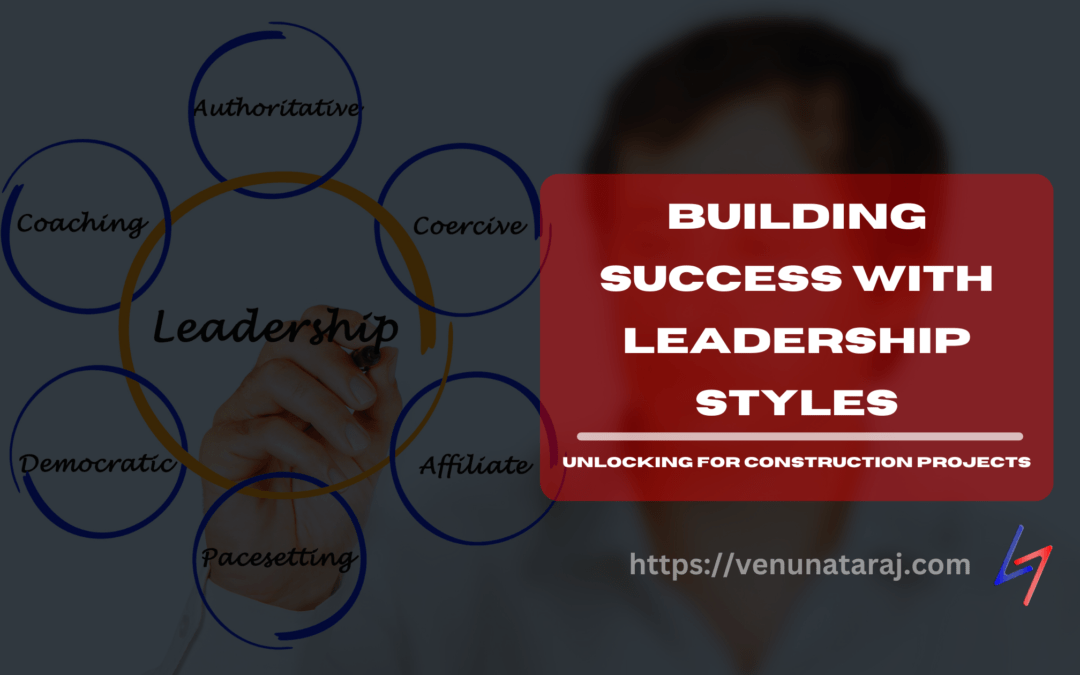
14 Powerful Leadership Styles in Project Management
Unlocking the True Potential of Leadership Styles for Construction Projects
When it comes to the world of construction project management, the ability to lead effectively can be the defining factor between success and failure. In a sector where complex projects require seamless coordination and collaboration among diverse teams, leadership styles play a pivotal role in shaping outcomes.
In this article, we delve deep into the world of leadership styles in project management, going beyond the basics to explore seldom-considered aspects that can make all the difference in your construction project’s success. Whether you are a seasoned project manager or a student eager to explore the intricacies of leadership in construction projects, this guide will provide valuable insights that are often overlooked by the mainstream discourse.
The Question: What are the key leadership styles in construction project management, and how can project managers effectively apply them to lead their teams to success?
“Leadership is the capacity to translate vision into reality.”
Warren Bennis
Before we explore the less-trodden paths in the realm of construction project management, it’s essential to understand the primary leadership styles that project managers often employ. Let’s start with the fundamentals.
Leadership Styles in Project Management:
Transformational leaders are the visionaries of the project management world. They possess the unique ability to inspire and motivate their team members by setting forth a compelling vision and fostering a culture of innovation. In construction project management, this style can be a game-changer, especially when it comes to promoting sustainability initiatives and cutting-edge construction methods. Transformational leaders are the driving force behind projects that strive for excellence, encouraging team members to exceed their own expectations and excel in their roles.
2. Transactional Leadership
On the other side of the spectrum, transactional leaders thrive on establishing clear expectations and using a system of rewards and punishments to motivate their team members. This style ensures that tasks are completed as planned and that project milestones are met. In the construction industry, where safety protocols and quality standards are of paramount importance, transactional leadership can be highly effective in maintaining strict adherence to these crucial aspects.
3. Servant Leadership
Servant leaders prioritize the needs of their team members above all else. They provide unwavering support, guidance, and resources to help team members succeed. In a physically demanding industry like construction, where collaboration and a supportive work environment are essential, servant leadership can foster a culture of teamwork that empowers individuals to overcome challenges and collectively work toward project success.
4. Democratic Leadership
Democratic leadership is all about inclusivity. Leaders following this style involve team members in decision-making processes and genuinely value their input. It promotes a sense of ownership and collaboration within the team, making it an excellent choice when you need a project team to buy into or have ownership of a decision, plan, or goal.
5. Autocratic Leadership
Autocratic leaders, in contrast, make decisions independently and expect team members to follow their instructions without question. This style can be effective in situations where quick decisions and clear guidance are required, ensuring that there’s no room for ambiguity or indecision.
6. Laissez-Faire Leadership
Laissez-faire leaders take a hands-off approach, allowing team members to make decisions and manage their tasks independently. This style is suitable when team members are highly skilled and self-motivated, as it gives them the autonomy they need to excel in their roles.
7. Charismatic Leadership
Charismatic leaders lead through inspiration, motivation, and their unique charisma. They are highly influential in mobilizing teams toward a common goal and can infuse a sense of passion and purpose into their projects.
Now, let’s not forget that our list doesn’t end here.
“Leadership is not about being in the front. It is about taking your team to the front.”
Simon Sinek
While these leadership styles are well-known in the realm of construction project management, there are more facets to explore. In the second part of this article, we’ll uncover the less-discussed but equally important leadership styles that can take your construction projects to the next level.
But why are these leadership styles so crucial in construction project management? The answer lies in understanding the very essence of project leadership, and to do that, we’ll turn to a compelling analogy presented by Daniel Goleman, a renowned expert in the field.
Project Leadership: A Set of Golf Clubs
Daniel Goleman, in his exploration of leadership styles, draws a fascinating analogy that resonates with project management professionals. He compares leadership styles to a set of golf clubs. Each club serves a unique purpose and is chosen based on the specific requirements of a given situation.
To create a successful project, project managers need to be adept at using the right “club” or leadership style at the right time. Just as a golfer selects the perfect club for a particular shot, a competent project leader applies a specific leadership style to match the project’s needs and challenges.
So, as we proceed to unveil lesser-known leadership styles and their applications in construction project management, remember that these “clubs” can provide you with a versatile toolkit to navigate through the complexities of your projects.
For the complete discussion on the six common project management leadership styles and their real-world applications, refer to this article by BrightWork. Here, you’ll find valuable insights that can complement your understanding of leadership styles in project management.
In the next part of this article, we’ll venture into the realms of less-explored leadership styles that hold hidden potential for your construction projects. Join us in this journey of discovery, where you’ll uncover the nuances that set you apart in the world of construction project management.
Continue reading part two of this article for more insights on leveraging unconventional leadership styles for success.
Now, as we conclude this first half, take a moment to reflect on how these well-established leadership styles can transform the landscape of your construction projects. However, there’s more to explore, and that’s exactly what we’ll do in the upcoming part of this blog.
Stay tuned for the second part of this article, where we’ll dive deeper into lesser-discussed leadership styles that can elevate your project management expertise to new heights.
Stay Ahead of the Curve in Construction Project Management
In the world of construction project management, staying informed about the latest trends and unearthing hidden gems in leadership styles can give you the edge you need to lead your teams to success. This is particularly true for professionals and students who are passionate about project management and always seek ways to enhance their knowledge and performance.
In the upcoming part of this series, we will delve into less-explored leadership styles that can provide a fresh perspective on leadership in construction projects. Whether you’re an experienced project manager or an enthusiastic learner, there’s something valuable for everyone.
Stay updated with our blog to unlock the secrets of construction project management that can shape your path to excellence. Part two is coming soon!
Stay tuned for more insights, and let’s continue this journey of discovery together.
Continue to Part 2
In the second part of this article, we’ll explore uncommon leadership styles and their potential applications in construction project management. Don’t miss out on the chance to elevate your project management skills to new heights.
Project Management, Construction Project Management, Resource Management
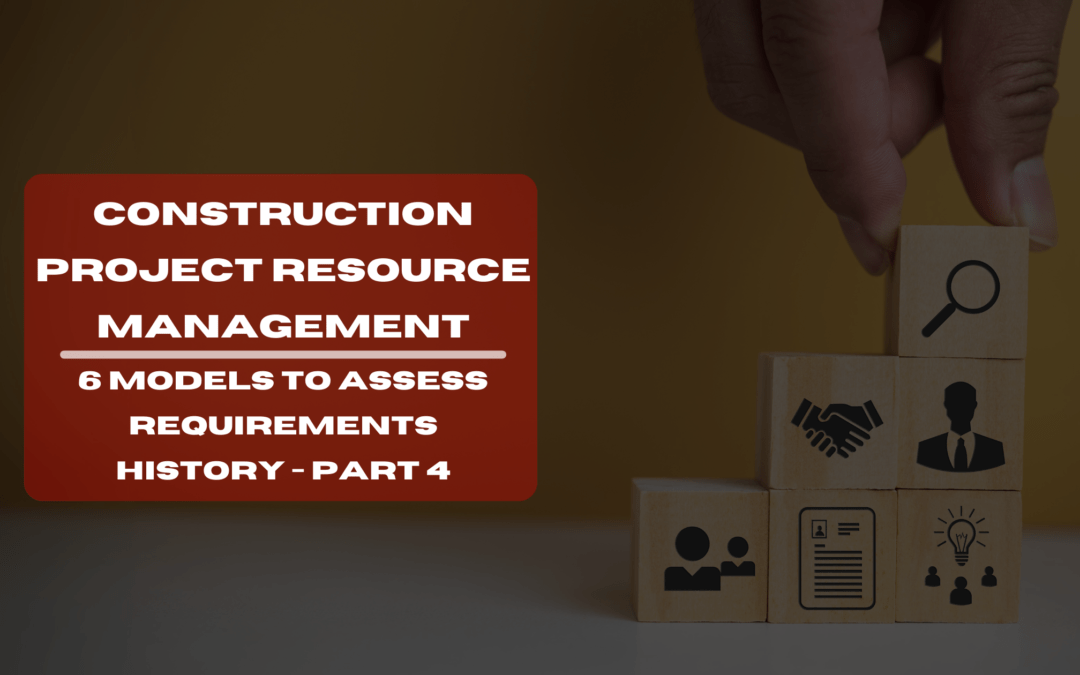
Construction Project Resource Management Assessing Requirements: History Part 4
In the intricate world of Construction Project Resource Management, making informed decisions about resource allocation is crucial for project success. To aid in this process, various models and techniques have been developed over the years to assess resource requirements and streamline resource delivery. In this section, we will explore some of these essential models.
If you want to refer to previous parts of this series, you can read them here:
Part 1: Unearthing the Origins of Construction Project Resource Management
Part 2: Construction Project Resource Management Principles and Methodologies
Part 3: Top 8 Challenges in Construction Project Resource Management
Model 1: Resource Histograms
Resource histograms provide a visual representation of resource allocation over time. They are particularly useful for identifying periods of resource over- or under-allocation. By plotting resource availability against project timelines, project managers can optimize resource allocation to ensure a smooth workflow.
Resource histograms enable project managers to identify resource peaks and valleys, allowing them to make adjustments to avoid bottlenecks or resource shortages. This visual tool helps in achieving resource balance throughout the project lifecycle.
Model 2: Resource Loading
Resource loading is a technique that involves assigning resources to specific project tasks based on their skillsets and availability. This model helps project managers ensure that the right resources are allocated to the right tasks at the right time.
By matching resource capabilities with task requirements, resource loading minimizes the risk of skill gaps or resource shortages. This model enhances efficiency and productivity by optimizing resource utilization.
Model 3: Resource Leveling
Resource leveling is a critical technique for addressing resource conflicts in construction projects. It aims to eliminate situations where resources are over-allocated or under-allocated, leading to scheduling conflicts.
This model involves redistributing resources to achieve a more balanced workload throughout the project schedule. By smoothing out resource allocation, project managers can prevent resource conflicts and ensure a more predictable project timeline.
Model 4: Critical Path Method (CPM)
The Critical Path Method (CPM) is a comprehensive project management model that considers both project tasks and resource constraints. CPM identifies the critical path, which represents the sequence of tasks that, if delayed, would delay the project’s overall completion.
CPM takes into account task dependencies and resource availability. It helps project managers prioritize tasks and allocate resources accordingly to ensure that critical activities are completed on time. This model enhances project control and ensures that resource allocation aligns with project goals.
Model 5: Earned Value Management (EVM)
Earned Value Management (EVM) is a performance measurement model that integrates scope, schedule, and cost aspects of a project. While primarily used for cost management, EVM also plays a role in resource management by providing insights into resource utilization and efficiency.
EVM allows project managers to assess whether the value of work performed matches the planned value, helping identify resource-related issues early. It aids in monitoring resource costs and performance, contributing to effective resource management.
Building Information Modeling (BIM) is a technology-driven model that has transformed resource management in construction projects. BIM enables project managers to create a digital representation of the project, including all its components and resources.
By visualizing the project in a digital environment, project managers can optimize resource allocation, detect clashes, and simulate construction sequences. BIM enhances collaboration among project stakeholders and improves resource management accuracy.
Conclusion
These models for assessing Construction Project Resource requirements and delivery are invaluable tools for project managers and professionals in the field. Each model offers a unique perspective on resource allocation, enabling project managers to make informed decisions that lead to successful project outcomes.
In the final part of this article, we will summarize the evolutionary significance of these methodologies and explore their continued relevance in today’s construction industry, emphasizing the importance of adaptability and innovation in the ever-evolving field of Construction Project Resource Management.
Continue to Part 5
Project Management, Construction Project Management, Risk Management
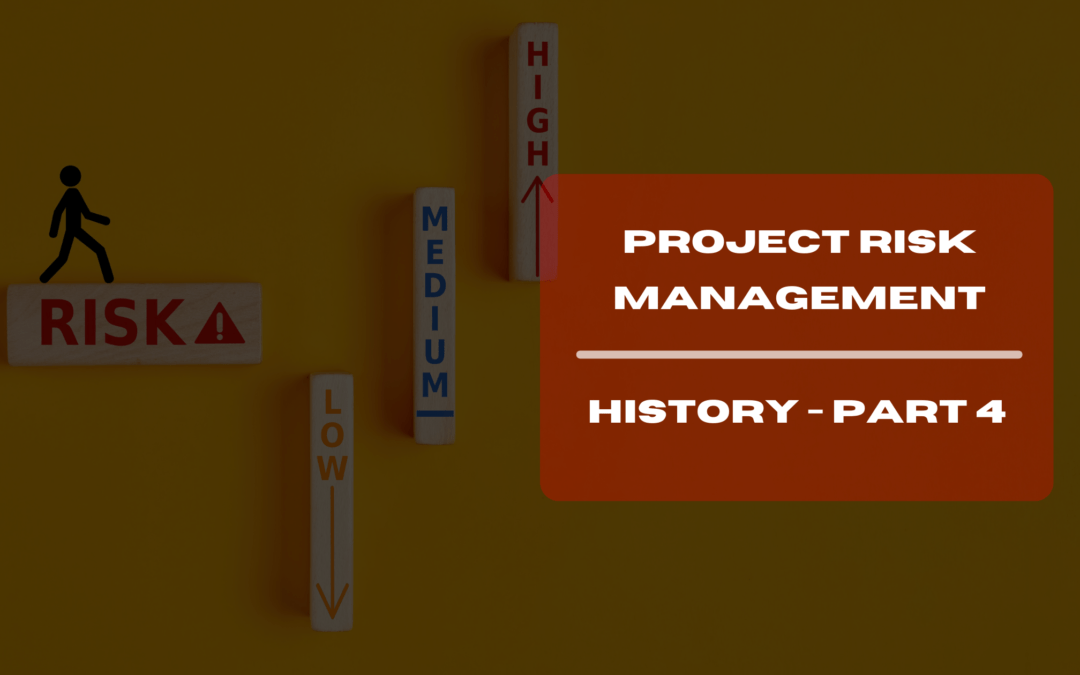
The history of Project Risk Management: Part 4
As we bring our exploration of the historical context of project risk management to a close, it’s essential to reflect on the significance of understanding this rich history for both students and professionals in the construction project management field.
If you want to refer the previous Parts, you can read them here:
The Roots of Project Risk Management: Part 1
The Roots of Project Risk Management: Part 2
The Roots of Project Risk Management: Part 3
The Relevance of History
History is often perceived as a subject of the past, but in the realm of project risk management, it is a living and breathing entity. The history of how we have grappled with risks in construction projects is a source of valuable lessons. By studying this history, students and professionals can:
- Gain Insights: Historical context provides insights into the challenges and solutions of the past. Understanding the problems our predecessors faced and how they overcame them can inform our approach to risk management today.
- Enhance Decision-Making: Informed decision-making is a cornerstone of effective project risk management. Historical knowledge enables professionals to anticipate risks, evaluate potential consequences, and make proactive decisions to mitigate them.
- Embrace Innovation: History shows that the construction industry has always evolved to meet new challenges. Today, with advancements in technology and methodologies, it is essential to embrace innovation and adapt to changing circumstances.
- Build a Risk Culture: A risk-aware culture is essential for effective risk management. By appreciating the historical context, organizations can foster a culture where risk identification and mitigation are embedded in every project.
- Avoid Repetition: Learning from history helps us avoid repeating the mistakes of the past. It enables us to recognize patterns and take preventive measures to minimize the recurrence of similar risks.
The Evolving Discipline
Project risk management in construction is a field in constant evolution. It draws from diverse disciplines, including engineering, economics, psychology, and statistics. By recognizing its historical roots and understanding how various models and methodologies have emerged over time, professionals can appreciate the interdisciplinary nature of the discipline.
Moreover, the adoption of international standards like ISO 31000 and the development of sophisticated tools such as Monte Carlo simulations demonstrate that project risk management has become a cornerstone of modern project management. It is not just about mitigating risks; it’s about optimizing project outcomes and ensuring the efficient allocation of resources.
A Call to Action
In the world of project management, risk is not a foe to be feared but an adversary to be understood and managed. As we conclude our exploration of the roots of project risk management, let it serve as a call to action.
For students, embrace the rich history of risk management in construction as you embark on your educational journey. Recognize that you are inheriting a legacy of knowledge and innovation that can empower you to meet the challenges of the future.
For professionals, continue to refine your skills and stay at the forefront of industry trends. Embrace methodologies and tools that have emerged from historical lessons and contribute to the ever-evolving field of project risk management.
In doing so, we ensure that the legacy of those ancient builders, Renaissance thinkers, and modern project managers lives on. Their collective wisdom has paved the way for us to navigate the complexities of construction projects with confidence and competence.
Thank you for accompanying us on this historical journey. May the lessons of the past inspire your future endeavors in the dynamic world of project risk management.
Back to Part 1
Back to Part 2
Back to Part 3
If you missed any part of our exploration, you can revisit the previous sections to delve into the fascinating history of project risk management in the construction industry.
From ancient civilizations to modern methodologies, the roots of risk management run deep, shaping the way we manage projects today.
Project Management, Construction Project Management, Performance Management
Mastering Earned Value Analysis in Construction Projects: EVA Part 3
Introduction:
Welcome to Part 3 of our comprehensive guide on “Mastering Earned Value Analysis (EVA) in Construction Projects.” In the previous parts of this series, we laid the groundwork by exploring the fundamental concepts, key components, and practical application of EVA in construction.
Part 1 introduced us to the essential components and benefits of EVA, emphasizing its critical role in project control, cost management, and schedule adherence. Part 2 took us into the practical world of EVA, where we learned how this powerful technique is applied to measure progress, manage complex construction projects, and optimize resource utilization.
If you want to refer to the previous parts of this series, you can read them here:
Part 1: Mastering Earned Value Analysis in Construction Projects
Part 2: Mastering Earned Value Analysis in Construction Projects: Part 2
Now, in Part 3, we delve deeper into the practical aspects of implementing EVA effectively. We’ll share practical tips for leveraging EVA to enhance project control, cost management, and schedule adherence. From the importance of data accuracy to fostering open communication, these strategies will empower construction management professionals in their EVA journey.
Practical Tips for Implementing EVA in Construction Projects
You’ve grasped the fundamentals of Earned Value Analysis (EVA) in construction projects. Now, let’s explore practical tips to effectively implement EVA and harness its power to enhance project control, cost management, and schedule adherence.
1. Data Accuracy Is Key
As mentioned earlier, EVA relies on accurate and up-to-date data. Ensure that your data collection processes are reliable and frequent. Invest in the necessary tools and systems to track project progress, costs, and schedules meticulously.
2. Start Early
Don’t wait until your project is well underway to implement EVA. Start at the planning stage. Define your project’s scope, create a detailed project plan, and establish your baseline. The sooner you start, the more data you’ll have to work with, allowing you to detect potential issues early.
3. Regularly Update Your EVA Metrics
EVA is not a “set it and forget it” tool. Continuously update your metrics as the project progresses. Regular updates ensure that you have the most accurate and current information, enabling you to make proactive decisions.
4. Set Clear Objectives and Targets
Before diving into EVA, define clear objectives and performance targets for your project. What are your cost and schedule goals? What level of variance is acceptable? Having these targets in place helps you assess whether you’re on the right track or need to make adjustments.
5. Monitor Trends
EVA allows you to not only measure your project’s performance at a specific point in time but also track trends. Are your performance indices improving, deteriorating, or stable? Monitoring trends can help you identify potential issues before they become critical.
6. Foster Communication
Effective communication is essential in construction projects. Share EVA data and insights with your project team. Collaborate to find solutions when issues arise. An open line of communication ensures that everyone is aligned with the project’s objectives.
7. Adapt to Change
Construction projects are dynamic, and changes are inevitable. Whether it’s scope changes, unforeseen issues, or resource constraints, be prepared to adapt your EVA metrics and plans accordingly. Flexibility is a key attribute of successful EVA implementation.
8. Training and Education
Invest in training and education for your project management team. Ensure they understand the principles, concepts, and formulas of EVA. Well-informed team members are more likely to apply EVA effectively in their day-to-day project management tasks.
9. Integrate EVA with Your Project Management Software
Leverage project management software that supports EVA calculations. Many modern tools offer EVA modules that simplify data input and automate calculations. Integration can streamline the process and reduce the risk of human error.
10. Seek Continuous Improvement
EVA is not a one-time exercise; it’s a journey of continuous improvement. Regularly review your EVA practices, assess what’s working and what’s not, and adjust your approach as needed. As you gain experience and insights, you can refine your EVA implementation for better results.
Closing Thoughts
Mastering Earned Value Analysis (EVA) in construction projects is a journey that requires dedication, attention to detail, and a commitment to improvement. It’s not just a tool; it’s a mindset that places project control, cost management, and schedule adherence at the forefront of your construction projects.
By implementing EVA effectively, you can steer your projects towards success. You’ll gain the ability to identify delays or cost overruns early and take proactive measures to manage your projects more efficiently. EVA empowers you to make data-driven decisions, ensuring that your projects are on time and within budget.
As you embark on your journey to master EVA, remember that it’s a continuous process. Stay dedicated, learn from your experiences, and adapt your practices to suit the unique challenges of each construction project. In doing so, you’ll set yourself apart as a construction management professional who takes project control seriously.
Continue to Part 4
Back to Part 2
Project Management, Construction Project Management, Performance Management
Welcome to the final installment of our exploration of Key Performance Indicators (KPIs) in construction management. In Parts 1 and 2, we dived deep into essential KPI categories, covering project progress tracking, cost control, time management, quality assurance, safety metrics, productivity, efficiency, client satisfaction, environmental impact, and risk management. Now, we’re set to unravel the last layers of these often-overlooked KPIs.
If you want to refer to previous parts of this series, you can read them here:
Part 1: 13 Vital Key Performance Indicators in Construction Management for Success
Part 2: 13 Vital Key Performance Indicators in Construction Management for Success: Part 2
10. Communication and Collaboration
Effective communication and collaboration are vital in construction management. KPIs in this category assess team collaboration, meeting deadlines for project communications, and the clarity and effectiveness of project communications.
A construction project is like a symphony, requiring perfect coordination among diverse instruments and musicians. Effective communication and collaboration are the conductors, ensuring that everyone is in tune and playing to the same melody.
Team collaboration is a KPI that measures how well your project team works together. Are they harmonizing or creating discord? High levels of collaboration can lead to creative problem-solving and efficient project execution.
Meeting deadlines for project communications ensures that information flows without interruptions. It’s not just about what’s communicated, but when it’s communicated, that matters. Timely communication can prevent misunderstandings and keep the project on course.
The clarity and effectiveness of project communications are perhaps the most crucial KPIs in this category. Clear and efficient communication ensures that everyone understands their roles, responsibilities, and tasks. Ambiguity can lead to confusion, delays, and even disputes.
By focusing on communication and collaboration KPIs, you’re not just managing a project; you’re fostering an environment of teamwork, trust, and shared goals, leading to smoother project execution and success.
11. Stakeholder Engagement
Construction projects often involve various stakeholders. KPIs related to stakeholder engagement assess how well relationships are being managed and maintained. Metrics may include stakeholder satisfaction, response times to stakeholder queries, and resolution of stakeholder issues.
In the intricate dance of construction, stakeholders are like the audience, watching and participating in the performance. Engaging them effectively is essential for a successful project.
Stakeholder satisfaction is a KPI that measures how content your stakeholders are with the project’s progress. Satisfied stakeholders are more likely to support your project and can become valuable allies.
Response times to stakeholder queries are a reflection of your project’s agility. Quick responses signal a commitment to meeting stakeholder needs and addressing their concerns in a timely manner.
Resolution of stakeholder issues is a testament to your project’s ability to navigate challenges and conflicts. The smoother the resolution process, the less likely these issues will escalate and disrupt the project.
By focusing on stakeholder engagement KPIs, you’re not just building structures; you’re building relationships, trust, and a sense of partnership that can lead to a smoother journey and a more successful project.
12. Resource Management
KPIs for resource management track the allocation and usage of labor, equipment, and materials. They help ensure that resources are appropriately allocated and that resource-related issues are resolved promptly.
Resources are the lifeblood of construction projects, and their efficient management is the key to success. Resource management KPIs are your compass, guiding you to ensure that resources are used effectively.
Labor allocation and usage are essential KPIs for assessing the efficiency of your workforce. Are your labor resources adequately distributed, and are they being used effectively? Monitoring these KPIs can lead to better resource utilization.
Equipment allocation ensures that your machinery and tools are where they’re needed, when they’re needed. Idle equipment represents wasted resources and costs. Effective equipment allocation is essential for cost control.
Material usage KPIs help in monitoring material consumption and waste. Excessive waste not only adds to costs but also impacts the project’s sustainability. Reducing material wastage is both environmentally responsible and cost-effective.
By focusing on resource management KPIs, you’re ensuring that your project has the necessary resources at the right place and time, preventing bottlenecks, delays, and cost overruns.
13. Legal and Regulatory Compliance
KPIs in this category evaluate the degree to which a construction project complies with relevant legal and regulatory requirements. They may include compliance audit results, regulatory violation incidents, and adherence to permits.
Construction projects operate within a complex web of legal and regulatory frameworks. Compliance is not just an option; it’s a necessity. Legal and regulatory compliance KPIs are your legal guardians, ensuring that your project stays on the right side of the law.
Compliance audit results are a reflection of your project’s adherence to legal and regulatory requirements. Consistently favorable audit results signify that your project is diligent in complying with the law.
Regulatory violation incidents are like warning signs. If they occur, it’s a signal that something isn’t going as it should. By monitoring these incidents, you can detect and address potential compliance issues early.
Adherence to permits is another critical KPI. Construction projects often require various permits and licenses. Ensuring that these are in order prevents legal complications and disruptions.
By focusing on legal and regulatory compliance KPIs, you’re not just ensuring that your project operates within the law; you’re also reducing the risk of costly legal disputes and potential project shutdowns.
In Conclusion
Construction management is a multifaceted discipline where success depends on meticulous planning, resourceful execution, and unwavering commitment to quality, safety, and client satisfaction. Key Performance Indicators (KPIs) are the often-overlooked but vital tools that enable project managers to steer their projects toward success.
These 13 KPI categories, spanning project progress tracking, cost control, time management, quality assurance, safety metrics, productivity, efficiency, client satisfaction, environmental impact, risk management, communication and collaboration, stakeholder engagement, resource management, and legal and regulatory compliance, are the building blocks of construction project management.
Implementing and monitoring these KPIs can mean the difference between a project’s triumph and its downfall. They are the unsung heroes behind every successful construction project, and recognizing their importance is crucial for professionals and students dedicated to mastering the intricacies of construction management.
With these KPIs as your guiding stars, you have the tools to ensure that your projects run smoothly, stay on budget, meet quality standards, and prioritize safety and sustainability. Embracing and refining your KPI management practices will set you apart as a construction manager who is deeply committed to the success of your projects and the satisfaction of all stakeholders involved.
In this blog article, we’ve touched upon the often-overlooked aspects of KPIs in construction management, focusing on what is seldom discussed by other experts in the industry. We hope this comprehensive exploration has provided you with a fresh perspective and a deeper understanding of the intricate world of Key Performance Indicators in Construction Management.
Back to Part 2
Back to Part 1
Stay tuned for more insights and tips on how to improve your performance in construction project management, tailored specifically for the diligent professionals and students who are deeply committed to mastering the intricacies of Project Management.
*Disclaimer: The content in this article is meant for informational purposes and does not constitute professional advice. Always consult with appropriate professionals for your specific construction project management needs.*