Project Management, Human Resource Management, Resource Management
Navigating the Uncharted Waters of Project Resource Management in Construction
In the realm of construction project management, the term "Project Resource Management" might not always grab the spotlight. Yet, it's the quiet orchestrator behind the scenes, ensuring that the right resources are in place to complete projects efficiently and within budget. As an expert examiner with over a decade of experience in crafting questions that delve into the nuances of construction project management, I've seen how this facet of the industry often goes unnoticed.
The Unsung Hero of Project Success
While discussions about cutting-edge construction techniques, innovative materials, and advanced machinery captivate the industry, Project Resource Management quietly holds the fort. It's the unsung hero responsible for harmonizing people, materials, equipment, and schedules to orchestrate the successful completion of projects.
Picture this: a skyscraper soaring into the sky, a complex highway interchange bustling with traffic, or a state-of-the-art healthcare facility. Behind the grandeur lies a web of intricacies involving resource allocation, personnel management, and logistical wizardry. This is where Project Resource Management truly shines.
The Unseen Challenges
The construction industry has a knack for throwing curveballs. Each project brings its unique set of challenges, often unscripted and unanticipated. This is where my expertise in question formulation comes into play. I craft questions that probe the depth of one's knowledge in managing these unforeseen challenges.
Consider the intricacies of workforce management. Human resource planning in construction involves not only hiring skilled personnel but also keeping them motivated, ensuring their safety, and aligning their efforts with project goals. It's a multifaceted juggling act that requires precise planning and execution.
Beyond the Blueprint
Beyond the blueprint and the heavy machinery, Project Resource Management in construction requires a profound understanding of personnel management, resource allocation, and project dynamics. These are the topics that, as an expert examiner, I strive to shine a light on. I delve into the intricacies of personnel management, resource planning, and strategic decision-making.
- Resource allocation in construction is more than just assigning tasks and materials; it's a delicate balancing act. Project managers must consider the human element, from hiring the right talent to fostering a motivated workforce.
As I craft questions for examinations, I emphasize the importance of understanding the intricacies of personnel management. Project managers need to grasp not only the technical aspects of construction but also the art of leading and motivating their teams. It's about fostering a culture of collaboration, safety, and excellence on the construction site.
The Complexity of Manpower Planning
Manpower planning in construction extends far beyond headcounts. It involves forecasting the skills needed at various stages of a project, ensuring a steady influx of talent, and addressing skill gaps that may arise. This intricate dance of personnel management is seldom discussed in the limelight but remains a linchpin of project success.
Imagine a scenario: a large-scale infrastructure project that spans several years. To ensure smooth progress, project managers must foresee not only the number of workers required but also their diverse skills, ranging from carpentry to civil engineering. My questions delve into this complexity, challenging individuals to consider the multifaceted nature of resource planning.
The Unconventional Queries
In my role as an expert examiner, I often pose questions that require candidates to think beyond the conventional. Yes, technical knowledge is vital, but the construction industry demands more. It calls for innovation, adaptability, and an acute understanding of human dynamics.
Consider the role of a project manager during a sudden workforce shortage due to unforeseen circumstances. How do they adapt? How do they keep the project on track while ensuring the safety and morale of their team? These are the types of scenarios I explore to gauge a candidate's readiness for the challenges of the real construction world.
A Holistic Approach to Project Resource Management
Construction project management isn't solely about blueprints and budgets; it's about people and their interactions. As an expert examiner, I strive to infuse this holistic perspective into my questions. It's about preparing the next generation of construction professionals to navigate not only the technicalities of the industry but also the human complexities that define it.
So, while the construction industry celebrates the marvels of modern architecture and engineering, let's not forget the unsung hero, Project Resource Management. It quietly ensures that the right people, with the right skills, are in the right place at the right time. And as for the questions I craft, they go beyond the ordinary, delving into the heart of what truly makes construction projects succeed – the people behind them.
"The only thing worse than training employees and losing them is not training them and keeping them." — Zig Ziglar
In a field where precision, safety, and efficiency are non-negotiable, optimizing construction productivity is not just an advantage; it's a necessity for achieving and maintaining success in construction project management.
Project Management, Construction Project Management, Resource Management
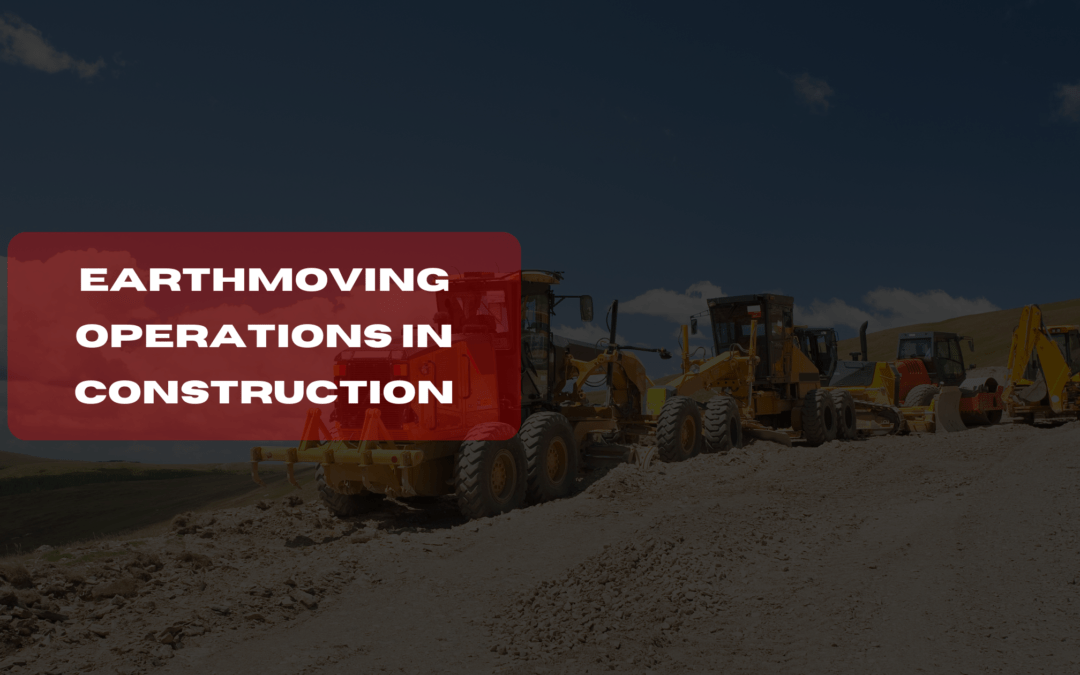
Unearthing Success: The Art of Earthmoving Operations in Construction
When it comes to constructing the world around us, there's a vital process that often takes center stage—earthmoving operations. These operations are the first steps in creating a stable and secure foundation for any construction project, from building towering skyscrapers to crafting intricate highway systems. In this comprehensive guide, we'll unearth the key steps involved in earthmoving operations and introduce you to the earthmoving equipment that makes it all possible.
The Significance of Earthmoving Operations
"In construction, there is no single blueprint for success, but there is always a strong foundation."
Before we dig into the nitty-gritty of earthmoving, it's essential to understand why these operations matter so much. Properly executed earthmoving sets the stage for everything that follows:
- Increased Stability: Earthmoving ensures that the ground beneath a structure is stable, reducing the risk of settling or shifting over time.
- Safe and Clear Environment: Clearing vegetation and debris creates a safe, unobstructed space for construction activities and helps protect the environment.
- Efficient Water Management: Proper grading and shaping of the terrain ensure effective water drainage, preventing water-related issues in the future.
- Reduced Swelling and Shrinkage: Earthmoving helps mitigate soil swelling when wet and shrinkage when dry, preventing damage to structures.
Key Steps in Earthmoving Operations
Step 1: Surveying and Site Preparation
Importance: Surveying is the bedrock of earthmoving operations. It provides critical information about the construction site's topography, existing structures, and soil conditions. Without accurate survey data, construction plans can easily go awry.
Process:
- Surveyors use sophisticated equipment like total stations and GPS to measure elevations, distances, and angles.
- The data collected during surveying is used to create site plans and maps, serving as the blueprint for the project.
Step 2: Clearing Vegetation and Debris
Importance: Clearing the construction site of vegetation, trees, and debris is like creating a blank canvas. It's the first step in transforming the landscape.
Process:
- Heavy machinery such as bulldozers and excavators is deployed to clear the site.
- Trees, shrubs, and obstacles are removed, ensuring a clean slate for construction.
Step 3: Excavation and Soil Removal
Importance: Excavation is the act of digging into the earth to create trenches, foundations, basements, or other required features. It's the groundwork for building anything substantial.
Process:
- Excavation equipment, including backhoes and excavators, is used to remove soil and, in some cases, rock.
- The excavated material may be transported away or stockpiled for later use.
Step 4: Shaping and Grading the Terrain
Importance: Shaping and grading the terrain is all about sculpting the land to meet the project's specifications. It's like creating the canvas on which the masterpiece will be painted.
Process:
- Motor graders and bulldozers are the go-to machines for shaping and grading.
- They level surfaces, create slopes, and ensure the terrain conforms to the desired specifications.
Step 5: Compaction and Stabilization of the Soil
Importance: Compaction is the final touch that ensures the soil is dense and stable. Stabilization may be required for certain soil types to enhance their properties.
Process:
- Compaction equipment like vibratory rollers and plate compactors are used to compress the soil to the required density.
- Stabilization techniques, such as adding cement or lime, can be employed to enhance the soil's strength and stability.
Earthmoving Equipment: The Workhorses of Construction
Now that we've unearthed the key steps in earthmoving operations, let's meet the machinery that gets the job done. These are the workhorses of construction, each designed for specific tasks and applications.
Bulldozers
- Application: Bulldozers are versatile and ideal for pushing and moving large quantities of soil, debris, or other materials.
Excavators
- Application: Excavators are like the Swiss Army knives of earthmoving, used for digging, trenching, and material handling.
Loaders
- Application: Front-end loaders excel at loading materials like soil, gravel, or debris into trucks or transport equipment.
Motor Graders
- Application: Motor graders are precision instruments for grading and leveling surfaces, ensuring they meet the desired specifications.
Scrapers
- Application: Scrapers are designed for moving large volumes of earth over shorter distances, often used in large-scale earthwork projects.
Earth Movers
- Application: These specialized machines are heavy lifters, moving massive quantities of materials efficiently, commonly found in mining and large-scale earthwork projects.
Building the Foundation
As we wrap up our exploration of earthmoving operations, remember that this is just the beginning. Earthmoving sets the stage for construction, providing the stable foundation upon which remarkable structures stand. The next time you see a towering skyscraper or drive on a smooth highway, you'll know that it all started with the art of earthmoving.
In the words of John Ruskin, "When we build, let us think that we build forever." And when we build forever, we build on the firm foundation laid by the art of earthmoving.
Note: This article serves as a comprehensive guide to earthmoving operations and equipment. Always consult with qualified professionals for precise guidance and recommendations based on your specific construction project.
Project Management, Construction Project Management, Resource Management
Soil Compaction Equipment: Essentials
Soil compaction is a fundamental step in the world of construction and civil engineering. It's the process of increasing soil density and improving its load-bearing capacity, ensuring that structures rest on a stable and secure foundation. Whether you're building a road, constructing a building, or working on any infrastructure project, compaction is an essential part of the process.
In this comprehensive guide, we will explore the various types of equipment used for compaction, providing insights into their unique characteristics and applications. Understanding these options will help you make informed decisions when it comes to choosing the right equipment for your project.
Why Soil Compaction Matters
Before we dive into the different types of compaction equipment, let's briefly discuss why soil compaction is so crucial in construction. Proper soil compaction offers several benefits:
- Increased Load-Bearing Capacity: Compacted soil can bear heavier loads without settling or shifting, making it an ideal foundation for structures.
- Stability: Compaction reduces the risk of soil settling, which can lead to structural damage over time.
- Improved Drainage: Well-compacted soil has fewer air voids, allowing for better water drainage and preventing erosion.
- Reduced Swelling and Shrinkage: Compacted soil is less prone to swelling when wet and shrinking when dry, which can cause damage to foundations.
Now, let's explore the various types of equipment used to achieve effective soil compaction.
Types of Compaction Equipment
1. Smooth-Wheeled Rollers
- Application: These rollers are often used for compacting granular soils like gravel, sand, and crushed stone.
- Characteristics: Smooth, flat drums apply pressure evenly across the surface.
- Ideal for: Road construction, large open areas.
- Application: Designed for cohesive soils like clay or silt.
- Characteristics: Cylindrical drums with raised lugs or feet penetrate the soil, kneading it to achieve compaction.
- Ideal for: Preparing cohesive soils for construction.
3. Pneumatic Rollers
- Application: Suitable for finishing and sealing surfaces.
- Characteristics: Rubber tires provide even compaction.
- Ideal for: Asphalt compaction and areas requiring precise control.
4. Vibratory Rollers
- Application: Effective for achieving high-density compaction in both cohesive and granular soils.
- Characteristics: Vibrating drums generate dynamic forces to compact soil.
- Ideal for: Achieving maximum compaction in a variety of soil types.
5. Tamping Rammers (Jumping Jacks)
- Application: Small, handheld equipment used for compacting confined areas, trenches, and narrow spaces.
- Characteristics: Provides point compaction.
- Ideal for: Compact spaces and cohesive soils.
6. Plate Compactors
- Application: Walk-behind machines with a heavy flat plate.
- Characteristics: Versatile and suitable for compacting granular soils and asphalt.
- Ideal for: Smaller projects and tight spaces.
7. Vibratory Plate Compactors
- Application: Vibrating plates for improved compaction in granular soils.
- Characteristics: Highly efficient.
- Ideal for: Larger-scale projects.
8. Trench Rollers
- Application: Compact, ride-on machines designed for trench compaction.
- Characteristics: Effective in narrow trenches.
- Ideal for: Compacting around utility installations.
Now that we've covered the various types of compaction equipment let's compare them based on several factors to help you make an informed choice.
Factors to Consider When Choosing Compaction Equipment
When selecting the right compaction equipment for your project, it's crucial to consider the following factors:
1. Soil Type
Different soils require different compaction equipment. Granular soils, like sand and gravel, often work well with smooth-wheeled or vibratory rollers. On the other hand, cohesive soils such as clay or silt may benefit from padfoot rollers or tamping rammers.
2. Project Scale
The size and scope of your project play a significant role in equipment selection. Large-scale projects may require heavy-duty vibratory rollers, while smaller projects or tight spaces may be better suited for plate compactors or trench rollers.
3. Desired Density
Consider the level of compaction required for your project. Some equipment types can achieve higher compaction densities than others. Ensure that the equipment you choose can meet the project's density requirements.
4. Access and Maneuverability
Evaluate the accessibility of the compaction area. If your project site has limited access or tight spaces, compact equipment like plate compactors or trench rollers may be more suitable.
5. Frequency of Compaction
Consider how frequently you'll need to use the compaction equipment. Some types are suitable for frequent use and can handle heavy workloads, while others may be more specialized and used less frequently.
In Conclusion
Soil compaction is a critical step in construction and civil engineering, and choosing the right equipment is essential to ensure the stability and longevity of your project. Understanding the characteristics and applications of different compaction equipment types is the key to making informed decisions.
As you embark on your construction journey, remember this quote by renowned architect Frank Lloyd Wright: "The heart is the chief feature of a functioning mind." Similarly, the foundation is the chief feature of a stable structure. So, choose your compaction equipment wisely, and build on a solid foundation.
For more construction-related insights and guidance, stay tuned to our blog. We're here to help you navigate the world of construction project management and ensure your projects are a resounding success.
Now, go out there and build with confidence!
Note: This article serves as a guide to different types of compaction equipment. Always consult with a qualified engineer or equipment specialist for precise equipment recommendations based on your project's unique requirements.
Project Management, Human Resource Management
Challenges of HRM in Construction Industry (Human Resource Management)
Introduction:
The construction industry is a dynamic and vital sector of the global economy, contributing significantly to infrastructure development and economic growth. Behind every successful construction project lies a dedicated and skilled workforce. Human Resource Management (HRM) plays a pivotal role in ensuring that the right talent is available, engaged, and efficiently utilized. However, HRM in the construction industry faces a unique set of challenges that require strategic solutions. In this article, we will evaluate the challenges that HRM professionals encounter in the construction sector and explore how these challenges impact the industry's success.
1. Skilled Labor Shortage
One of the most pressing challenges in the construction industry is the shortage of skilled labor. Skilled trades such as carpenters, electricians, plumbers, and welders are in high demand, yet there aren't always enough qualified workers to meet this demand. This shortage can lead to project delays, increased labor costs, and fierce competition among construction companies for a limited pool of talent.
To address this challenge, HRM professionals must explore innovative recruitment strategies, including partnering with vocational schools and apprenticeship programs. Additionally, investing in training and development programs can help bridge the skills gap and create a pipeline of skilled workers.
2. Safety and Compliance
Safety is paramount in the construction industry, given the high-risk nature of the work. HRM must ensure that all workers are well-trained and compliant with safety regulations. Managing safety training, certifications, and compliance records is a continuous challenge. Non-compliance can result in accidents, injuries, and legal liabilities for construction companies.
To tackle this challenge, HRM professionals need to prioritize safety training and establish rigorous compliance monitoring systems. Regular safety audits, ongoing safety education, and a strong safety culture are essential components of addressing this challenge effectively.
3. Seasonal Nature of Work
Construction work often experiences seasonal fluctuations, with peak and off-peak seasons. During peak seasons, HRM professionals must hire temporary workers to meet the increased demand for labor. However, they also need to manage workforce reductions during off-seasons to control costs.
Balancing these fluctuations while retaining skilled workers is a constant challenge. HRM can address this by developing flexible workforce strategies, such as creating a core team of full-time employees supplemented by temporary workers during peak periods.
4. Diversity and Inclusion
The construction industry has historically lacked diversity, with gender and racial disparities. HRM must work to create an inclusive work environment and attract a diverse talent pool. This includes addressing gender disparities, promoting equal opportunities, and fostering an inclusive company culture.
Diversity and inclusion are not only ethical imperatives but also contribute to improved innovation and problem-solving in construction projects. HRM should actively engage in diversity and inclusion initiatives, partnering with organizations that promote underrepresented groups in the industry.
5. Training and Development
Continuous training and development are essential in the construction industry due to evolving technologies and techniques. HRM must identify training needs, source appropriate training programs, and ensure that employees have opportunities to enhance their skills.
To overcome this challenge, construction companies can invest in a Learning Management System (LMS) to track and manage employee training. They can also provide incentives for employees to pursue additional certifications and professional development opportunities.
6. Retention and Employee Engagement
The transient nature of construction work can lead to high turnover rates, which can be costly for companies. HRM professionals must focus on retention strategies, including competitive compensation, benefits, and creating a positive work environment to keep valuable employees engaged and committed to the company.
Employee engagement surveys, regular feedback mechanisms, and recognition programs can go a long way in improving retention and fostering a sense of belonging among construction workers.
7. Regulatory Compliance
The construction industry is subject to various local, state, and federal regulations, including labor laws, safety standards, and environmental regulations. HRM must stay up-to-date with these ever-changing laws and ensure that the company remains in compliance to avoid legal issues and penalties.
Having a dedicated compliance officer or team within HRM can help construction companies navigate the complex landscape of regulations and maintain a strong record of compliance.
8. Project-Based Employment
Construction projects are typically temporary, which means many workers are hired on a project-by-project basis. HRM must manage the complexities of hiring, onboarding, and potentially laying off workers at the end of each project. This constant cycle of recruitment and separation requires efficiency and adaptability.
Developing a talent pool of reliable, skilled workers who are available for project-based employment can streamline the hiring process and ensure a consistent workforce for projects.
9. Technological Advancements
The construction industry is experiencing rapid technological advancements, from Building Information Modeling (BIM) to drones and automation. HRM faces the challenge of integrating technology into the workforce, ensuring employees are trained in new tools, and managing the potential resistance to technological changes.
HRM should collaborate with project managers and IT departments to identify the most relevant technologies for the company's operations and invest in training programs that facilitate the adoption of these technologies among the workforce.
10. Supply Chain Disruptions
Global events, such as the COVID-19 pandemic, have highlighted the vulnerabilities in construction supply chains. HRM must navigate supply chain disruptions, ensure the availability of materials and equipment, and manage the impact on project schedules and costs.
Having contingency plans and alternative suppliers in place can help mitigate the impact of supply chain disruptions. HRM should also collaborate closely with procurement and logistics departments to address these challenges effectively.
Conclusion
In conclusion, HRM in the construction industry faces a multitude of challenges, from labor shortages and safety compliance to seasonal fluctuations and the need for diversity and inclusion. Addressing these challenges requires a strategic approach that combines workforce planning, training, compliance, and a focus on employee retention and engagement. HRM professionals in the construction industry play a critical role in overcoming these challenges and ensuring the success and sustainability of construction projects.
"The construction industry's success hinges on its ability to effectively manage and empower its workforce. HRM is the linchpin in this endeavor."
By recognizing these challenges and implementing proactive solutions, HRM can contribute to the growth and resilience of the construction industry, ensuring that it continues to build a better future for all.
This article provides insights into the challenges faced by HRM in the construction industry and offers practical strategies for addressing these issues. It underscores the importance of HRM in ensuring the success, safety, and sustainability of construction projects.
Project Management, Human Resource Management
Traditional vs. Modern Management in Construction Projects: Approaches
In the intricate world of construction project management, the approach to managing projects has evolved significantly over time. Traditional management practices that once dominated the industry are now being challenged by modern approaches that emphasize flexibility, collaboration, and innovation. In this comprehensive exploration, we will compare traditional and modern management approaches in construction projects to understand their characteristics, methodologies, and implications for the industry.
Traditional Management:
Characteristics:
- Traditional management in construction projects relies on a hierarchical structure with well-defined roles and responsibilities. This hierarchical pyramid delineates authority and control.
- Decision-making typically follows a top-down approach, with senior management holding the decision-making power, and there is limited room for adaptability.
Methodology:
- Projects are often organized into sequential phases, resembling the "waterfall" model, where each phase must be completed before the next one begins. This sequential approach can provide clarity but may lack agility.
- Extensive documentation, including detailed project plans and specifications, is a hallmark of traditional management. These documents serve as roadmaps for the entire project lifecycle, offering a clear and structured path.
Communication:
- Formal communication channels are emphasized, with regular progress reports, structured meetings, and a well-defined hierarchy for information flow.
- Decision-making authority is centralized, typically resting with senior management. This centralized decision-making can ensure consistency but may slow down responsiveness.
Pros:
- Well-established processes and procedures provide a sense of reliability and predictability. This structured approach is comforting, particularly in large and complex projects.
- Clear accountability and well-defined roles help prevent confusion and ambiguity, ensuring that everyone knows their responsibilities.
- Traditional management practices are often well-suited for projects with established processes and minimal uncertainties.
Cons:
- Limited adaptability to unexpected changes or project complexities can lead to delays and cost overruns. The rigid structure may struggle to accommodate dynamic conditions.
- The hierarchical decision-making structure may result in slower responses to critical issues, impacting project progress.
- Innovation and creativity may be stifled in favor of adherence to established processes, potentially missing opportunities for improvement.
Modern Management Approaches:
Characteristics:
- Modern management approaches in construction projects prioritize flexibility and adaptability. They recognize the need for a more dynamic and agile approach.
- Collaboration, open communication, and empowerment of project teams are central to this approach. It values the input and creativity of all team members.
Methodology:
- Agile project management principles are often employed, breaking projects into smaller, more manageable phases that allow for iterative development. This approach emphasizes continuous improvement and adaptability.
- Lean construction principles focus on minimizing waste and optimizing processes for efficiency. Efficiency and sustainability are at the core of this methodology.
Communication:
- Open and frequent communication is encouraged among all project stakeholders, breaking down traditional communication silos. Transparency and information sharing are key.
- Decision-making authority is decentralized, enabling project teams to make decisions based on real-time data and feedback. This empowerment enhances responsiveness.
Pros:
- Enhanced adaptability to changing project conditions allows for more agile responses to unforeseen challenges. Modern management thrives in dynamic environments.
- Improved collaboration and communication lead to a better understanding of project goals and objectives, ensuring that everyone is aligned toward success.
- There is greater potential for innovation and continuous improvement in project processes and outcomes, fostering a culture of creativity.
Cons:
- Implementing modern management approaches may require a cultural shift within organizations, which can be challenging. Resistance to change may arise.
- Successful adoption relies on having skilled project teams capable of self-management and decision-making. Not all teams may possess these skills.
- Modern approaches may not be suitable for all project types, particularly those with well-defined scopes and limited uncertainty. They are best suited for complex, dynamic projects.
Implications for Construction Projects:
Traditional Approach:
- Traditional management practices are well-suited for projects with established processes and minimal uncertainties. When the project scope is clear, and there is little risk of significant changes, this approach provides structure and predictability.
- They are effective in situations where a strict hierarchy and clear roles are essential for project success. In large, complex projects, traditional management can offer stability.
Modern Approach:
- Modern management approaches shine in projects with evolving scopes or complex requirements. When the project environment is dynamic, and changes are expected, this approach enables adaptability.
- They encourage collaboration and empower project teams to make decisions that directly benefit the project. In innovative projects where creativity and flexibility are paramount, modern management excels.
Conclusion:
In conclusion, the choice between traditional and modern management approaches in construction projects is not a one-size-fits-all decision. Instead, it should be influenced by the nature of the project, its complexity, and the organizational culture.
As the construction industry evolves and embraces innovation, many professionals are finding that a blend of both approaches may yield the best results. By recognizing the strengths and weaknesses of each method and tailoring their use to specific project requirements, construction project managers can navigate the challenges and opportunities that come their way.
In the end, successful construction project management is about being adaptable, understanding the unique demands of each project, and leveraging the right management approach to achieve success.
"In the construction industry, adaptability and innovation are key drivers of success. The ability to evolve and embrace modern management practices can make all the difference."
So whether you find yourself following a traditional path or exploring the modern landscape of construction project management, remember that the goal remains the same: to build and create in ways that benefit both your organization and the industry as a whole.
Project Management, Human Resource Management
In the intricate world of construction project management, teams are the driving force behind successful project execution. While formal structures and hierarchies are essential, it's crucial not to underestimate the power of informal groups within these teams. Informal groups, often formed based on shared interests, backgrounds, or experiences, can significantly influence team dynamics and project outcomes.
Informal groups emerge naturally within construction project teams, shaped by commonalities and personal connections among team members. These groups often serve social or emotional needs, providing support, camaraderie, or a sense of belonging. Informal groups are characterized by voluntary membership, fluid boundaries, and a lack of formal leadership, operating alongside the official organizational structure.
Social Support
Informal groups offer emotional support to team members, helping them cope with the pressures and challenges of construction projects. This support enhances overall team well-being, fostering a positive work environment.
Communication Channel
Informal groups serve as informal communication channels. Team members within these groups may share project-related information or insights more freely, facilitating information flow throughout the team.
Conflict Resolution
Informal groups can play a crucial role in resolving conflicts within the team. They often serve as mediators, helping to address disputes and promote understanding among team members.
Knowledge Sharing
These groups can be treasure troves of tacit knowledge and best practices. Team members share their expertise and experiences, contributing to knowledge dissemination and improved project performance.
Challenges and Considerations
While informal groups can bring significant benefits, they also present challenges that project managers and HRM professionals must consider:
- Exclusivity: Informal groups can sometimes become exclusive, potentially leading to feelings of exclusion among other team members. Inclusivity is key to maintaining a harmonious team environment.
- Potential for Cliques: Informal groups may evolve into cliques, which can disrupt team cohesion. Balancing informal and formal interactions helps mitigate this risk.
- Balance with Formal Structure: Striking a balance between recognizing the value of informal groups and maintaining the project's formal structure and hierarchy is essential.
- Leadership: While informal groups lack formal leadership, identifying influential individuals within these groups and leveraging their influence positively is important for project managers.
"Alone we can do so little; together we can do so much." - Helen Keller
The above quote by Helen Keller underscores the importance of collaboration and teamwork in achieving remarkable outcomes. In construction project teams, both formal and informal structures are essential. Informal groups, driven by a shared sense of purpose and camaraderie, can enhance team cohesion, communication, and overall project success.
Consider a scenario where a construction project faces unexpected challenges. The informal groups within the team, bonded by trust and shared experiences, can quickly adapt and find innovative solutions. They provide a vital support system for individual team members, boosting morale during challenging times.
Embracing the Balance
Project managers and HRM professionals should embrace the balance between formal and informal interactions within construction project teams. Recognizing and acknowledging the existence of informal groups can lead to a more harmonious and productive team environment.
By fostering an atmosphere where both formal and informal structures complement each other, construction project teams can harness the full potential of their diverse talents and experiences. When individuals feel supported, connected, and motivated, they are more likely to contribute their best to the project's success.
In conclusion, informal groups are not mere social cliques within construction project teams; they are valuable assets that can significantly impact team dynamics and project outcomes. Recognizing their roles and managing them effectively can create a more cohesive, communicative, and successful team, ultimately leading to the successful execution of construction projects.
As you navigate the dynamic world of construction project management, remember that it's not just about bricks and mortar; it's about the people who bring these structures to life, working together to achieve greatness.
Happy building!