PESTEL Analysis Technique: Unveiling Strategic Insights for Business Success
In today's dynamic business landscape, staying ahead of the competition requires a comprehensive understanding of the factors that influence an organization's success. One such powerful tool that aids in this endeavor is the PESTEL analysis technique. This technique provides a structured framework to assess the external macro-environmental factors that impact a business. Whether you're an entrepreneur launching a startup or a seasoned executive navigating a mature market, embracing PESTEL analysis can unlock invaluable insights to drive informed decision-making.
Table of Contents
1. Introduction
In the fast-paced business realm, making well-informed decisions is paramount. PESTEL analysis stands as a guiding light, illuminating the external factors that influence a company's operations, strategies, and overall success. Let's dive into this insightful technique and explore its various dimensions.
2. Understanding PESTEL Analysis
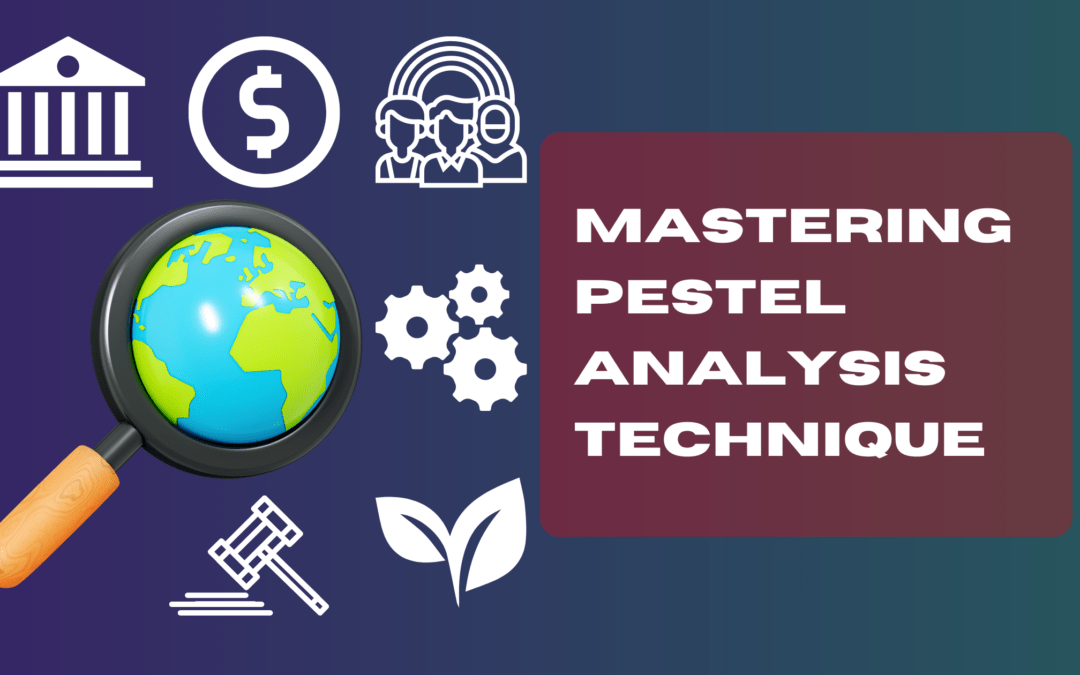
PESTEL analysis, an acronym for Political, Economic, Social, Technological, Environmental, and Legal analysis, provides a comprehensive framework for evaluating the external factors that shape an organization's environment. By scrutinizing these factors, businesses can anticipate potential opportunities and threats, fostering strategic planning and adaptation.
3. Political Factors
The political landscape significantly impacts businesses through policies, regulations, and government stability. Understanding the political climate helps companies foresee changes that might affect their operations, such as taxation policies or trade regulations.
4. Economic Factors
Economic shifts, including inflation, exchange rates, and economic growth, play a pivotal role in business success. Analyzing these factors aids in identifying market trends and potential financial risks.
5. Social Factors
Societal trends, cultural preferences, and demographics influence consumer behavior and demand. By grasping these dynamics, companies can tailor their products and services to resonate with their target audience.
6. Technological Factors
Rapid technological advancements can disrupt industries overnight. PESTEL analysis highlights technological trends, enabling businesses to embrace innovation and stay competitive.
7. Environmental Factors
Environmental consciousness is on the rise, impacting industries' sustainability efforts and consumer perceptions. Companies that integrate eco-friendly practices can gain a competitive edge.
8. Legal Factors
Legal and regulatory frameworks affect business operations, from intellectual property protection to labor laws. Adhering to these regulations ensures compliance and avoids potential legal pitfalls.
9. Benefits of PESTEL Analysis
PESTEL analysis offers a multitude of benefits, including risk mitigation, strategic planning, and enhanced adaptability. By dissecting the external environment, businesses can proactively respond to challenges and seize opportunities.
10. Applying PESTEL Analysis: A Step-by-Step Guide
1. Identify the Six Factors:
Begin by categorizing the factors - Political, Economic, Social, Technological, Environmental, and Legal.
2. Gather Relevant Data:
Collect data related to each factor, utilizing sources like industry reports, government publications, and market research.
3. Analyze and Prioritize:
Evaluate the impact of each factor on your business. Prioritize those with the most significant influence.
4. Formulate Strategies:
Develop strategies to capitalize on opportunities and mitigate risks identified through analysis.
11. Real-world Examples
Companies like Apple and Tesla have utilized PESTEL analysis to anticipate market shifts and innovate accordingly, showcasing its practical significance.
12. Challenges and Limitations
While powerful, PESTEL analysis has limitations, such as oversimplification of complex issues and the potential omission of micro-level factors.
13. Future Outlook
As the business landscape evolves, so will the relevance of PESTEL analysis. Its adaptability will continue to make it a crucial tool for strategic decision-making.
14. Conclusion
In a world of uncertainty, being equipped with insights is a strategic advantage. PESTEL analysis empowers businesses to navigate the intricacies of their environment, fostering growth, innovation, and resilience.
15. Frequently Asked Questions (FAQs)
1. Is PESTEL analysis only suitable for large corporations?
PESTEL analysis benefits businesses of all sizes, aiding in understanding the external environment's dynamics.
2. How often should PESTEL analysis be conducted?
Conduct PESTEL analysis periodically, especially during significant market shifts or strategic planning phases.
3. Can PESTEL analysis replace internal assessments?
No, PESTEL analysis complements internal assessments, offering a holistic view of the business landscape.
4. Are all PESTEL factors equally important?
The significance of each factor varies depending on the industry and business context.
5. Where can I learn more about implementing PESTEL analysis effectively?
Link to additional resources here:
In conclusion, PESTEL analysis is a potent compass that guides businesses through the ever-changing tides of the external environment. By embracing its insights, organizations can chart their course towards sustainable success in the competitive business seas.
Powering Project Success through Effective Communication and Stakeholder Engagement
Introduction: Mastering the Art of Project Communication and Stakeholder Engagement
[Image: A project manager engaging with stakeholders.]
Communication and stakeholder engagement are the lifeblood of successful projects. Effective communication ensures that project teams stay aligned, objectives are clear, and information flows seamlessly. Stakeholder engagement fosters collaboration, manages expectations, and secures the support needed for project success. In this comprehensive guide, we will explore the key strategies, tools, and techniques that empower project managers to excel in communication and stakeholder engagement, driving projects to new heights of success.
1.7. Effective Project Communication and Stakeholder Management
1. Stakeholder Identification and Analysis: Unlocking the Power of Engagement
[Image: A project manager identifying and analyzing stakeholders.]
Stakeholder identification and analysis are fundamental steps in project management. It involves identifying all individuals, groups, or organizations with an interest or impact on the project and understanding their needs, expectations, and influence. By unlocking the power of stakeholder engagement from the outset, project managers can foster collaboration, gain support, and ensure project outcomes align with stakeholder requirements.
2. Stakeholder Engagement Planning: Building Bridges, Forging Alliances
[Image: A project manager planning stakeholder engagement.]
Stakeholder engagement planning lays the groundwork for effective communication and collaboration. It involves developing a well-crafted strategy to engage stakeholders, define roles and responsibilities, and determine appropriate communication channels and methods. By building bridges and forging alliances with stakeholders, project managers create a strong foundation for project success.
3. Communication Channels and Methods: The Art of Connection
[Image: Different communication channels and methods.]
Choosing the right communication channels and methods is vital for effective project communication. Project managers must carefully consider the nature of information, target audience, and the most suitable means of delivery. From face-to-face meetings to email correspondence, project management software to virtual collaboration tools, selecting the right mix of communication channels ensures messages are delivered clearly, fostering engagement and collaboration among team members and stakeholders.
4. Project Status Reporting: Sharing the Story of Progress
[Image: A project manager presenting project status.]
Project status reporting is the art of keeping stakeholders informed about project progress, milestones, risks, and achievements. It involves presenting project updates in a concise, informative, and visually appealing manner. By sharing the story of progress, project managers maintain transparency, manage expectations, and instill confidence in stakeholders, fostering a sense of ownership and shared success.
5. Conflict Management and Resolution: Navigating Choppy Waters
[Image: A project manager mediating conflicts.]
Conflicts are inevitable in projects, but effective conflict management can help navigate choppy waters. Project managers must foster a culture of open communication, encourage respectful dialogue, and mediate conflicts constructively. By addressing conflicts promptly and finding win-win solutions, project managers promote team cohesion, strengthen relationships, and maintain a positive project environment.
6. Change Management and Communication: Embracing the Winds of Change
[Image: A project manager managing change.]
Change is a constant companion in projects, and effective change management is essential for success. Project managers must communicate changes clearly, explain the rationale behind them, and engage stakeholders in the process. By embracing the winds of change, project managers build resilience, maintain stakeholder support, and foster a culture of adaptability.
7. Stakeholder Feedback and Engagement: The Power of Listening
[Image: A project manager actively listening to stakeholder feedback.]
Stakeholder feedback is a precious resource that can shape project outcomes. Project managers must actively seek input, listen to stakeholder perspectives, and incorporate feedback into decision-making processes. By valuing stakeholder insights and involving them in project discussions, project managers foster collaboration, improve outcomes, and build stronger stakeholder relationships.
8. Relationship Building and Networking: Strengthening the Project Ecosystem
[Image: A project manager networking with stakeholders.]
Relationship building and networking are the pillars of successful stakeholder engagement. Project managers should invest time and effort in building trust, understanding stakeholder needs, and nurturing relationships. By cultivating a robust project ecosystem, project managers tap into a network of support, collaboration, and shared success.
Conclusion: Empowering Projects through Effective Communication and Stakeholder Engagement
[Image: A project manager celebrating successful project communication.]
Effective project communication and stakeholder engagement are essential ingredients for project success. By identifying stakeholders, planning engagement strategies, utilizing appropriate communication channels, reporting project status, managing conflicts, embracing change, seeking stakeholder feedback, and building strong relationships, project managers create an environment of collaboration, transparency, and shared purpose. Harness the power of effective communication and stakeholder engagement to fuel project success and leave a lasting impact.
[Image: A project manager reaching for the stars.]
Remember, project management is not just about tasks and deliverables; it's about people and relationships. Embrace the art of communication, nurture connections, and empower stakeholders to actively participate in the project journey. With these powerful strategies and a dash of creativity, you can steer your projects towards success, build a thriving project ecosystem, and achieve remarkable results.
[Image: A project manager leading a team towards success.]
Mastering Project Monitoring and Evaluation for Exceptional Project Success
Introduction: Unleashing the Power of Effective Project Monitoring and Evaluation
[Image: Illustration of a project manager analyzing project data.]
In the dynamic world of project management, success hinges not only on efficient execution but also on diligent monitoring and evaluation. Project monitoring and evaluation are essential processes that enable project managers to track progress, identify risks, ensure quality, engage stakeholders, and drive continuous improvement. In this comprehensive guide, we will delve into the intricacies of project monitoring and evaluation, equipping you with the knowledge and tools to master these vital aspects and achieve exceptional project success.
1.6. Effective Project Monitoring and Evaluation
1. Project Progress Tracking: Navigating the Path to Success
[Image: A project manager monitoring project progress.]
Project progress tracking involves continuously monitoring and assessing the actual progress of project tasks and deliverables against the planned schedule. By keeping a watchful eye on project milestones, deadlines, and key performance indicators, project managers can identify potential roadblocks and take proactive measures to keep the project on track. Through effective project progress tracking, you can navigate the path to success with confidence.
2. Performance Metrics and Key Performance Indicators (KPIs): Metrics That Matter
[Image: A project manager analyzing performance metrics.]
Performance metrics and key performance indicators (KPIs) provide quantitative measures of project performance and success. These metrics can include factors such as budget adherence, schedule compliance, quality of deliverables, customer satisfaction, and team productivity. By defining and tracking relevant performance metrics and KPIs, project managers gain valuable insights into project health, enabling them to make data-driven decisions and drive continuous improvements.
3. Quality Assurance and Quality Control: Excellence Every Step of the Way
[Image: A project manager ensuring quality assurance.]
Quality assurance (QA) and quality control (QC) processes are vital to maintaining and improving project deliverable quality. QA involves proactive measures taken to prevent defects and ensure adherence to quality standards throughout the project lifecycle. On the other hand, QC focuses on inspecting and testing deliverables to identify and rectify any deviations from quality standards. By implementing robust QA and QC processes, project managers ensure excellence every step of the way.
4. Risk Monitoring and Mitigation: Navigating the Sea of Uncertainties
[Image: A project manager mitigating project risks.]
Risk monitoring involves continuously assessing and tracking identified project risks to determine their status and potential impact. By closely monitoring risks, project managers can swiftly implement mitigation strategies to address potential threats and navigate the sea of uncertainties. With effective risk monitoring and mitigation, you can steer your project towards success, even in the face of unexpected challenges.
5. Stakeholder Engagement and Communication: The Power of Collaboration
[Image: A project manager engaging with stakeholders.]
Effective stakeholder engagement and communication lie at the heart of project monitoring and evaluation. Building strong relationships and maintaining open lines of communication with stakeholders enable project managers to gather valuable insights, address concerns, and keep stakeholders informed about project progress. By fostering collaboration and involving stakeholders throughout the project, you ensure alignment, manage expectations, and proactively tackle any issues that arise.
6. Lessons Learned and Continuous Improvement: Fueling Growth
[Image: Illustration showcasing a project manager capturing lessons learned.]
Lessons learned sessions provide invaluable opportunities for project managers and teams to reflect on project experiences, identify strengths, and learn from challenges. By capturing lessons learned and implementing changes based on insights gained, project managers fuel continuous improvement, driving growth and maximizing project outcomes. Embrace a culture of learning and evolve with each project.
7. Project Reviews and Audits: Striving for Excellence
[Image: A project manager conducting a project review.]
Project reviews and audits are critical checkpoints for evaluating project performance, adherence to plans, and compliance with project management processes. These assessments, whether internal or external, provide an objective view of the project's strengths and areas for improvement. By conducting thorough reviews and audits, project managers strive for excellence, ensure compliance, and lay the foundation for future success.
8. Benefits Realization: Turning Vision into Reality
[Image: A project manager realizing project benefits.]
Benefits realization involves assessing whether the intended benefits and value from the project have been achieved. By comparing the project's intended outcomes with the actual results and evaluating the impact on the organization and stakeholders, project managers can determine the project's success in turning vision into reality. By measuring benefits realization, project managers demonstrate the project's value and inform decision-making for future endeavors.
Conclusion: Harness the Power of Project Monitoring and Evaluation
[Image: A project manager standing confidently amidst successful project outcomes.]
Project monitoring and evaluation are indispensable aspects of successful project management. By embracing effective progress tracking, performance metrics, quality assurance, risk monitoring, stakeholder engagement, lessons learned, project reviews, audits, and benefits realization, project managers gain a holistic view of their projects and make informed decisions to drive success. Embrace these practices, adapt them to your projects, and propel your projects towards excellence.
[Image: A project manager reaching for the stars.]
Remember, project management is not only about execution but also about continuous improvement. Embrace the journey, learn from every project, and refine your monitoring and evaluation practices with each endeavor. With these invaluable skills and strategies in your toolkit, you have the power to achieve remarkable project success and leave a lasting impact.
[Image: A project manager celebrating triumphantly.]
Other Project Management related topics which might interest you:
Power Up Your Projects with Effective Project Management Tools and Software
Introduction: Unleashing the Potential of Project Management Tools and Software
[Image: A project manager surrounded by various project management tools.]
In the fast-paced world of project management, the right tools can make all the difference. Whether you're a seasoned project manager or just starting your journey, leveraging effective project management tools and software is the key to boosting productivity, streamlining workflows, and achieving project success. In this comprehensive guide, we will explore a diverse range of tools and software that will empower you to power up your projects and maximize your potential.
1.5. Effective Project Management Tools and Software
Project Planning and Scheduling Tools: The Backbone of Success
[Image: A project manager creating a project timeline.]
Project planning and scheduling tools are the foundation upon which successful projects are built. These tools, such as Gantt charts and task dependency trackers, provide project managers with the ability to create comprehensive project timelines, assign tasks, allocate resources, and monitor progress. By visualizing project timelines and managing tasks effectively, project planning and scheduling tools set the stage for project success.
1. Collaboration and Communication Tools: Fueling Collaboration, Igniting Innovation
[Image: A project team collaborating and brainstorming.]
Collaboration and communication tools are the lifeblood of efficient teamwork and seamless project execution. From real-time messaging platforms to virtual meeting tools, these solutions foster effective communication and enable teams to collaborate regardless of geographical boundaries. With the power of collaboration and communication tools, project teams can share ideas, exchange feedback, and unleash their collective creativity.
2. Task and Project Management Software: Streamlining Workflows, Amplifying Productivity
[Image: A project manager managing project tasks and deadlines.]
Task and project management software revolutionize the way projects are organized and executed. These powerful tools provide features like task lists, assignment tracking, and progress monitoring, enabling project managers to keep a tight grip on project deliverables. By centralizing task management and providing transparency across the team, task and project management software enhance productivity and keep projects on track.
[Image: A project manager efficiently allocating project resources.]
Resource management tools empower project managers to make the most of available resources, whether it's people, equipment, or materials. These tools offer features such as resource allocation, scheduling, and utilization tracking, enabling project managers to optimize resource utilization and prevent bottlenecks. By effectively managing resources, project teams can deliver projects on time and within budget.
4. Document and File Management Software: Harness the Power of Organization
[Image: A project manager organizing project documents.]
Document and file management software bring order to the chaos of project documentation. With features like version control, secure file sharing, and centralized repositories, these tools ensure that project-related documents are organized, accessible, and easily shared with stakeholders. By streamlining document management, project teams can collaborate effectively and maintain a reliable record of project progress.
5. Risk Management Software: Navigate Uncertainties with Confidence
[Image: A project manager assessing and mitigating project risks.]
Risk management software equips project managers with the tools to identify, assess, and mitigate project risks. These tools provide features like risk identification templates, risk assessment matrices, and action plan management. By proactively managing risks, project teams can minimize their impact on project outcomes and navigate uncertainties with confidence.
6. Reporting and Analytics Tools: Unleash the Power of Data-Driven Decision Making
[Image: A project manager analyzing project data.]
Reporting and analytics tools empower project managers to gain insights from project data and make informed decisions. These tools offer customizable dashboards, data visualization, and performance analytics, enabling project managers to monitor project progress, track key metrics, and identify trends. By harnessing the power of data, project managers can optimize project performance and drive continuous improvement.
7. Budgeting and Financial Management Software: Financial Mastery for Project Success
[Image: A project manager managing project finances.]
Budgeting and financial management software provide project managers with the tools to plan, track, and control project budgets and expenses. With features like budget estimation, expense tracking, and financial reporting, these tools ensure financial compliance and enable project managers to optimize budget utilization. By mastering financial management, project teams can deliver projects within budget and achieve financial success.
[Image: A project manager ensuring project quality.]
Quality management systems empower project managers to maintain and improve project quality. These systems offer quality standards, control processes, and auditing capabilities, enabling project teams to define and adhere to quality criteria. By prioritizing quality, project managers can exceed stakeholder expectations, enhance project outcomes, and build a reputation for excellence.
[Image: A project manager embracing agile project management.]
Agile project management tools cater to the needs of projects that require flexibility, adaptability, and iterative approaches. With features like user story management, sprint planning, and task boards, these tools enable project teams to embrace agile methodologies like Scrum or Kanban. By embracing agility, project teams can respond to changes swiftly, foster collaboration, and deliver projects that meet evolving requirements.
Conclusion: Empower Your Projects with the Right Tools and Software
[Image: A project manager standing triumphantly, surrounded by project management tools.]
Effective project management tools and software serve as catalysts for project success. By harnessing the power of project planning and scheduling tools, collaboration and communication platforms, task and project management software, resource management tools, document and file management software, risk management software, reporting and analytics tools, budgeting and financial management software, quality management systems, and agile project management tools, project managers can elevate their projects to new heights.
So, embrace the power of these tools and software, select the ones that align with your project needs, and witness the transformation in your project outcomes. From streamlined workflows to enhanced collaboration, these tools will empower you to navigate challenges, optimize resources, and deliver projects that surpass expectations.
[Image: A project manager surrounded by a burst of colorful confetti.]
Remember, the tools are just the beginning. It's your expertise, creativity, and leadership that will truly bring your projects to life. Stay curious, embrace innovation, and continue honing your project management skills alongside these tools. With the right combination of skills and tools, you have the power to unlock limitless possibilities and achieve project management excellence.
[Image: A project manager reaching for the stars.]
Other Project Management related topics which might interest you:
Introduction: Unleash Your Project Management Potential: Mastering Essential Skills for Success
[Image: Illustration of a project manager confidently leading a team.]
Are you ready to take your project management skills to the next level? In the dynamic world of project management, mastering essential skills is the key to achieving remarkable results. Aspiring project managers and seasoned professionals alike can benefit from developing a diverse set of skills that empower them to lead with confidence and navigate challenges with finesse. In this comprehensive guide, we will dive into the essential project management skills that will unlock your potential for success.
1.4. Essential Project Management Skills
1. Leadership Skills: Inspire, Guide, and Succeed
[Image: A project manager leading a team with a torch.]
Leadership skills are the cornerstone of effective project management. They involve inspiring and guiding team members towards a shared vision. Strong leadership skills enable project managers to motivate their teams, foster a positive work environment, and overcome obstacles with resilience. Embrace the art of leadership, and watch your projects soar to new heights.
2. Communication Skills: Connect, Collaborate, Conquer
[Image: A project manager engaging in effective communication.]
Effective communication is the lifeblood of successful projects. It involves actively listening, articulating ideas clearly, and adapting communication styles to different stakeholders. With strong communication skills, project managers can bridge gaps, foster collaboration, and ensure that everyone is on the same page. Let the power of communication amplify your project's success.
3. Organizational Skills: Plan, Prioritize, and Excel
[Image: A project manager organizing project tasks.]
Organizational skills are the backbone of project management excellence. They encompass planning, prioritizing, and coordinating project activities. Strong organizational skills empower project managers to stay on top of timelines, allocate resources effectively, and maintain project documentation. Embrace the art of organization, and watch your projects thrive.
[Image: A project manager solving a complex puzzle.]
Challenges are inevitable in the world of project management, but with strong problem-solving skills, you can navigate them with ease. Effective problem-solving involves analyzing issues, identifying root causes, and developing creative solutions. Project managers with excellent problem-solving skills can turn obstacles into opportunities and drive project success.
5. Negotiation Skills: Win-Win Solutions for All
[Image: A project manager engaging in successful negotiation.]
Negotiation skills are essential for project managers when dealing with stakeholders, team members, and vendors. They involve finding common ground, understanding different perspectives, and reaching mutually beneficial agreements. Strong negotiation skills enable project managers to resolve conflicts, manage expectations, and ensure smooth project progress.
6. Time Management Skills: Seize the Moment, Optimize Results
[Image: A project manager juggling project tasks in a timely manner.]
Time is a precious resource in project management, and mastering time management skills is the key to efficiency. It involves setting realistic timelines, prioritizing tasks, and delegating effectively. With strong time management skills, project managers can seize opportunities, meet deadlines, and maximize productivity.
7. Risk Management Skills: Embrace the Unknown, Thrive in Uncertainty
[Image: A project manager confidently handling project risks.]
Risk management skills empower project managers to navigate uncertainties with confidence. They involve identifying potential risks, assessing their impact, and developing strategies to mitigate them. Strong risk management skills enable project managers to proactively address challenges, minimize negative impacts, and seize opportunities that arise along the project journey.
8. Team Management Skills: Inspire, Empower, Excel
[Image: A project manager fostering a positive team environment.]
Successful project managers excel in team management. They understand the power of collaboration, trust, and motivation. Strong team management skills involve building cohesive teams, fostering a positive work culture, and empowering team members to perform at their best. Embrace the art of team management, and watch your projects flourish.
9. Adaptability and Flexibility: Embrace Change, Thrive in Complexity
[Image: A project manager adapting to changing project circumstances.]
In the ever-evolving landscape of project management, adaptability and flexibility are vital. Project managers must embrace change, adjust plans when necessary, and remain agile in the face of complexity. Strong adaptability and flexibility skills enable project managers to navigate shifting project dynamics and seize new opportunities.
[Image: A project manager engaging with diverse project stakeholders.]
Effective stakeholder management is critical for project success. It involves understanding stakeholder needs, maintaining open lines of communication, and addressing concerns proactively. Strong stakeholder management skills enable project managers to build strong relationships, ensure stakeholder satisfaction, and gain support for project objectives.
Conclusion: Unleash Your Project Management Potential
[Image: Illustration of a project manager reaching the summit, symbolizing project success.]
By mastering these essential project management skills, you have the power to unlock your full potential as a project manager. Embrace the art of leadership, communication, organization, problem-solving, negotiation, time management, risk management, team management, adaptability, and stakeholder management. These skills will empower you to navigate challenges, inspire your team, and drive project success.
Remember, project management is not just about technical knowledge and tools—it's about harnessing the power of these essential skills to lead with confidence and achieve remarkable results. So, dive into the world of project management with enthusiasm and a thirst for growth. Cultivate these skills, refine them through practice, and watch your projects soar to new heights.
[Image: A project manager standing proudly, surrounded by project elements.]
As you develop and strengthen your project management skills, remember to celebrate milestones along the way. Each success, big or small, is a testament to your dedication and growth. Embrace the challenges, learn from the setbacks, and let your passion for project management shine through.
[Image: A project manager celebrating with a team.]
Now, it's time to embark on your project management journey armed with these essential skills. Embrace the art of project management, be open to continuous learning, and adapt to the ever-changing landscape. With each project, you have the opportunity to make a positive impact, bring ideas to life, and create lasting value.
So, go forth and unleash your project management prowess. The world awaits your innovative solutions, your leadership, and your ability to drive projects towards success. With these essential skills as your foundation, there's no limit to what you can achieve. Embrace the journey, embrace the skills, and let your project management potential shine bright.
[Image: A project manager surrounded by a burst of colorful confetti.]
Remember, you are the catalyst for change, the conductor of projects, and the driving force behind success. Embrace these essential project management skills, and let them guide you towards a future filled with accomplishment, growth, and endless possibilities.
[Image: A project manager standing confidently at the center of a world map.]
Other Project Management related topics which might interest you:
Introduction: Unveiling the Power of Project Management Principles and Concepts
[Image: A project manager standing confidently with a key in hand.]
Are you ready to unlock the secrets of successful project management? Aspiring project managers and seasoned professionals alike can benefit from understanding and applying key project management principles and concepts. These principles serve as guiding lights, illuminating the path to project success. In this comprehensive guide, we will delve into the core principles and concepts that will empower you to navigate the dynamic world of project management with finesse and achieve remarkable outcomes.
[Image: A project manager skillfully juggling various project elements.]
At the heart of every successful project lies effective scope management. It involves clearly defining project objectives, deliverables, and boundaries. Think of it as the art of balancing possibilities and constraints. By establishing a well-defined scope, you can prevent project drift and ensure that your team is focused on delivering the intended outcomes. Embrace scope management as your compass, guiding you towards project excellence.
2. Time Management: From Minutes to Milestones
[Image: A project manager with a timepiece, racing against time.]
Time is of the essence in project management, and mastering time management is the key to staying on track. It involves developing a project schedule, setting milestones, and managing tasks and deadlines. With effective time management, you can conquer project challenges, meet critical milestones, and make the most of every minute. Embrace the rhythm of time, and let it propel you towards project success.
3. Cost Management: Balancing the Books, Maximizing Value
[Image: A project manager with a financial chart, ensuring cost optimization.]
In the world of project management, cost management holds the key to financial success. It involves estimating, budgeting, and controlling project costs. By diligently managing resources, tracking expenses, and mitigating financial risks, you can ensure that your project remains within budget while delivering maximum value. Let cost management be your financial compass, guiding you towards a successful project journey.
[Image: A project manager with a magnifying glass, inspecting project quality.]
Quality is the hallmark of exceptional projects, and effective quality management is the secret ingredient. It entails defining quality metrics, implementing control measures, and conducting inspections. By ensuring that project deliverables meet defined standards and exceed stakeholder expectations, you can elevate excellence and leave a lasting impression. Let quality management be your compass, guiding you towards project brilliance.
[Image: A project manager sailing through stormy waters, steering clear of risks.]
Risks are an inherent part of every project, but successful project managers know how to navigate them. Risk management involves identifying, assessing, and mitigating project risks. By proactively planning for uncertainties, embracing opportunities, and developing contingency plans, you can steer your project towards success even in challenging waters. Let risk management be your compass, guiding you towards project resilience.
6. Communication Management: Connecting, Collaborating, Conquering
[Image: A project manager with a communication bubble, fostering effective collaboration.]
Communication is the lifeblood of project management, and effective communication management is the secret to success. It involves establishing clear channels, facilitating information exchange, and fostering collaboration among stakeholders. By promoting transparency, minimizing misunderstandings, and enhancing project coordination, you can create a vibrant communication ecosystem that propels your project forward. Let communication management be your compass, guiding you towards seamless collaboration.
[Image: A project manager surrounded by diverse stakeholders, building strong relationships.]
Stakeholders are the driving force behind project success, and effective stakeholder management is the key to nurturing relationships. It involves identifying, analyzing, and engaging stakeholders throughout the project lifecycle. By understanding their needs, addressing concerns, and fostering meaningful engagement, you can build strong alliances that amplify project success. Let stakeholder management be your compass, guiding you towards fruitful partnerships.
8. Change Management: Embracing the Winds of Change, Sailing to Success
[Image: A project manager adjusting sails, embracing change.]
Change is inevitable in projects, and successful project managers know how to embrace and navigate it. Change management involves assessing impacts, developing control processes, and implementing changes smoothly. By managing change effectively, you can minimize disruptions, improve project flexibility, and ensure a smooth sail towards project success. Let change management be your compass, guiding you through the winds of change.
9. Integration Management: Weaving the Threads, Creating Project Synergy
[Image: A project manager weaving a tapestry, symbolizing integration.]
Integration management weaves together the various threads of a project, creating synergy and cohesion. It involves coordinating activities, managing interdependencies, and aligning project goals with organizational objectives. By fostering integration, you can enhance project efficiency, promote collaboration, and drive overall project success. Let integration management be your compass, guiding you towards a harmonious project journey.
10. Human Resource Management: Empowering Teams, Cultivating Excellence
[Image: A project manager with a team, fostering a positive work environment.]
The success of any project lies in the hands of its team members, and effective human resource management is the catalyst for greatness. It involves planning, acquiring, and managing project team members. By assigning roles, providing training and support, and promoting teamwork, you can empower your team to excel, foster a positive work environment, and elevate project performance. Let human resource management be your compass, guiding you towards a vibrant and motivated team.
Conclusion: Embrace the Power of Project Management Principles
[Image: A project manager reaching the summit, symbolizing project success.]
As you embark on your project management journey, remember that these key principles and concepts will be your guiding lights. By applying them with enthusiasm and finesse, you can navigate the dynamic world of project management with confidence. Embrace the power of these principles, and let them propel you towards remarkable project success. Are you ready to unlock your project management potential? Let the principles be your compass, guiding you towards a path of triumph.
Other Project Management related topics which might interest you: