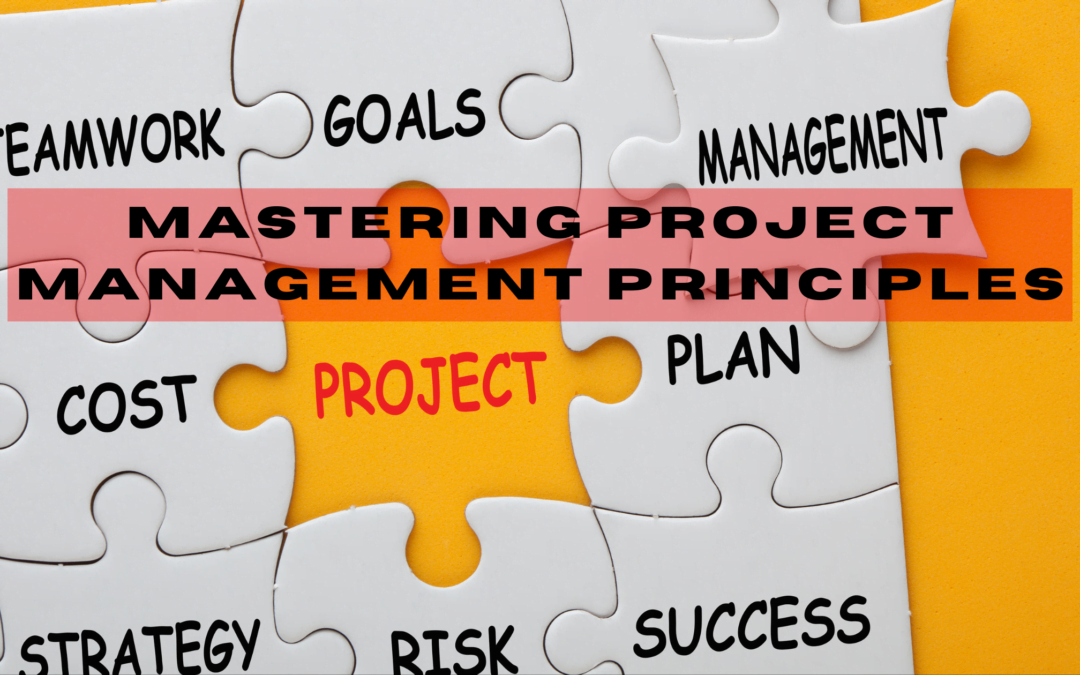
Introduction: Unveiling the Power of Project Management Principles and Concepts
[Image: A project manager standing confidently with a key in hand.]
Are you ready to unlock the secrets of successful project management? Aspiring project managers and seasoned professionals alike can benefit from understanding and applying key project management principles and concepts. These principles serve as guiding lights, illuminating the path to project success. In this comprehensive guide, we will delve into the core principles and concepts that will empower you to navigate the dynamic world of project management with finesse and achieve remarkable outcomes.
[Image: A project manager skillfully juggling various project elements.]
At the heart of every successful project lies effective scope management. It involves clearly defining project objectives, deliverables, and boundaries. Think of it as the art of balancing possibilities and constraints. By establishing a well-defined scope, you can prevent project drift and ensure that your team is focused on delivering the intended outcomes. Embrace scope management as your compass, guiding you towards project excellence.
2. Time Management: From Minutes to Milestones
[Image: A project manager with a timepiece, racing against time.]
Time is of the essence in project management, and mastering time management is the key to staying on track. It involves developing a project schedule, setting milestones, and managing tasks and deadlines. With effective time management, you can conquer project challenges, meet critical milestones, and make the most of every minute. Embrace the rhythm of time, and let it propel you towards project success.
3. Cost Management: Balancing the Books, Maximizing Value
[Image: A project manager with a financial chart, ensuring cost optimization.]
In the world of project management, cost management holds the key to financial success. It involves estimating, budgeting, and controlling project costs. By diligently managing resources, tracking expenses, and mitigating financial risks, you can ensure that your project remains within budget while delivering maximum value. Let cost management be your financial compass, guiding you towards a successful project journey.
[Image: A project manager with a magnifying glass, inspecting project quality.]
Quality is the hallmark of exceptional projects, and effective quality management is the secret ingredient. It entails defining quality metrics, implementing control measures, and conducting inspections. By ensuring that project deliverables meet defined standards and exceed stakeholder expectations, you can elevate excellence and leave a lasting impression. Let quality management be your compass, guiding you towards project brilliance.
[Image: A project manager sailing through stormy waters, steering clear of risks.]
Risks are an inherent part of every project, but successful project managers know how to navigate them. Risk management involves identifying, assessing, and mitigating project risks. By proactively planning for uncertainties, embracing opportunities, and developing contingency plans, you can steer your project towards success even in challenging waters. Let risk management be your compass, guiding you towards project resilience.
6. Communication Management: Connecting, Collaborating, Conquering
[Image: A project manager with a communication bubble, fostering effective collaboration.]
Communication is the lifeblood of project management, and effective communication management is the secret to success. It involves establishing clear channels, facilitating information exchange, and fostering collaboration among stakeholders. By promoting transparency, minimizing misunderstandings, and enhancing project coordination, you can create a vibrant communication ecosystem that propels your project forward. Let communication management be your compass, guiding you towards seamless collaboration.
[Image: A project manager surrounded by diverse stakeholders, building strong relationships.]
Stakeholders are the driving force behind project success, and effective stakeholder management is the key to nurturing relationships. It involves identifying, analyzing, and engaging stakeholders throughout the project lifecycle. By understanding their needs, addressing concerns, and fostering meaningful engagement, you can build strong alliances that amplify project success. Let stakeholder management be your compass, guiding you towards fruitful partnerships.
8. Change Management: Embracing the Winds of Change, Sailing to Success
[Image: A project manager adjusting sails, embracing change.]
Change is inevitable in projects, and successful project managers know how to embrace and navigate it. Change management involves assessing impacts, developing control processes, and implementing changes smoothly. By managing change effectively, you can minimize disruptions, improve project flexibility, and ensure a smooth sail towards project success. Let change management be your compass, guiding you through the winds of change.
9. Integration Management: Weaving the Threads, Creating Project Synergy
[Image: A project manager weaving a tapestry, symbolizing integration.]
Integration management weaves together the various threads of a project, creating synergy and cohesion. It involves coordinating activities, managing interdependencies, and aligning project goals with organizational objectives. By fostering integration, you can enhance project efficiency, promote collaboration, and drive overall project success. Let integration management be your compass, guiding you towards a harmonious project journey.
10. Human Resource Management: Empowering Teams, Cultivating Excellence
[Image: A project manager with a team, fostering a positive work environment.]
The success of any project lies in the hands of its team members, and effective human resource management is the catalyst for greatness. It involves planning, acquiring, and managing project team members. By assigning roles, providing training and support, and promoting teamwork, you can empower your team to excel, foster a positive work environment, and elevate project performance. Let human resource management be your compass, guiding you towards a vibrant and motivated team.
Conclusion: Embrace the Power of Project Management Principles
[Image: A project manager reaching the summit, symbolizing project success.]
As you embark on your project management journey, remember that these key principles and concepts will be your guiding lights. By applying them with enthusiasm and finesse, you can navigate the dynamic world of project management with confidence. Embrace the power of these principles, and let them propel you towards remarkable project success. Are you ready to unlock your project management potential? Let the principles be your compass, guiding you towards a path of triumph.
Other Project Management related topics which might interest you:
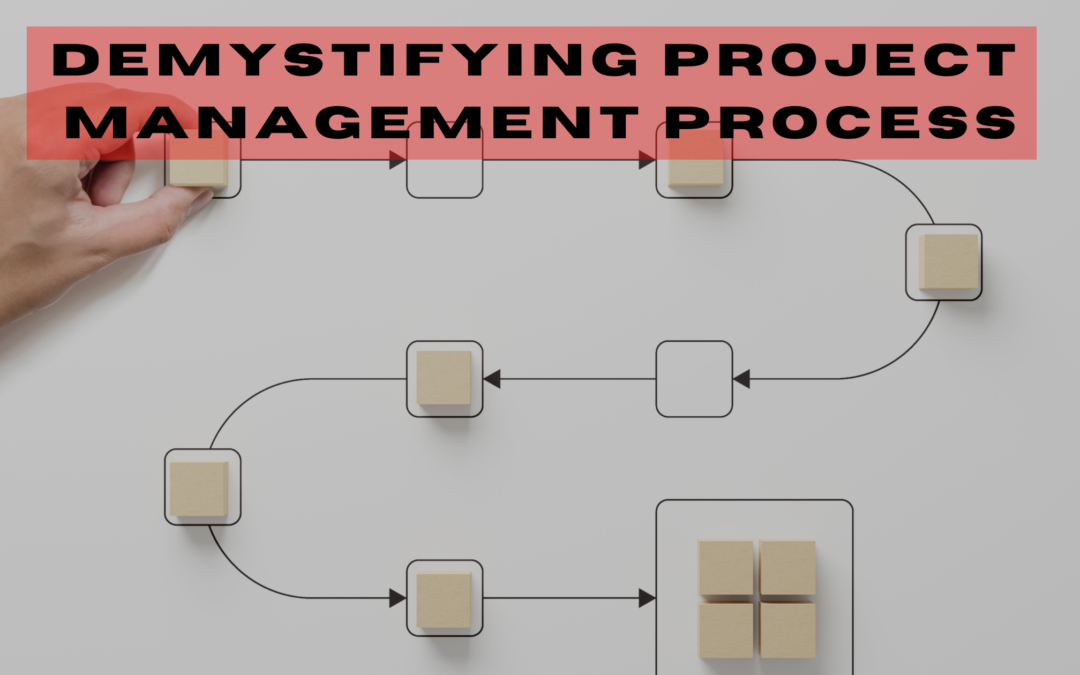
Introduction: Demystifying the Project Management Process: Your Path to Success
[Image: Project Manager Leads a team with confidence.]
Embarking on a project can be an exhilarating journey, but without a roadmap, it can quickly become overwhelming. That's where the project management process comes in. It's the secret ingredient that turns dreams into reality, chaos into order, and confusion into clarity. In this blog post, we'll demystify the project management process, providing you with the ultimate guide to navigate through your projects and achieve success.
The Essence of Project Management Process: A Framework for Seamless Project Execution
[Image: A project management process flowchart.]
The project management process is like a well-choreographed dance. It provides a systematic framework to initiate, plan, execute, monitor, control, and close projects. By following this process, project managers and teams can stay organized, stay on track, and deliver exceptional results. Let's dive into each stage of the process and uncover its significance.
1. Project Initiation: Laying the Foundation
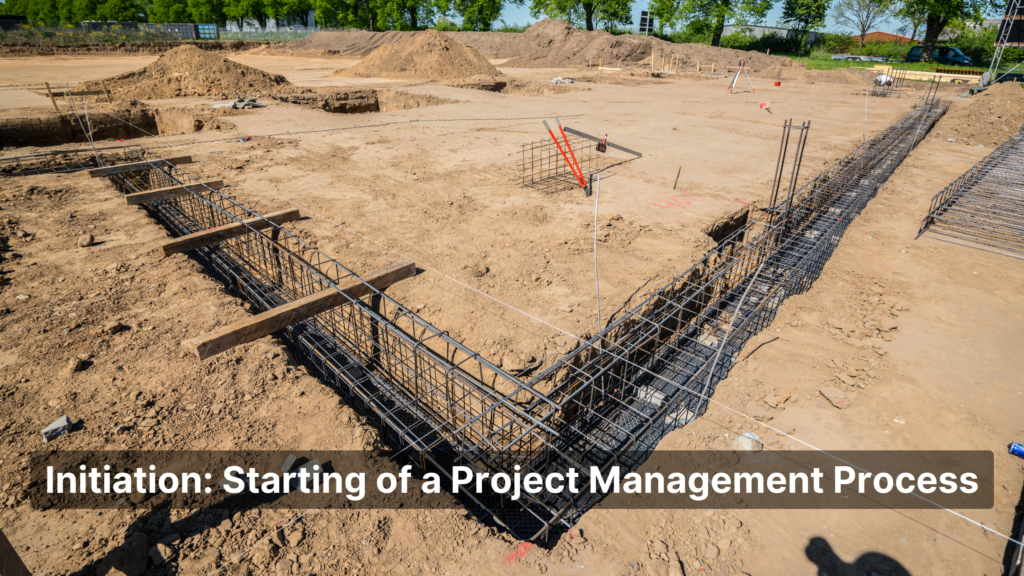
[Image: Start of a project at site.]
Every successful project begins with a strong foundation. During the initiation stage, you define the project's purpose, objectives, and scope. It's like planting a seed - you carefully assess its feasibility, identify stakeholders, and secure project sponsorship. This stage ensures that your project aligns with organizational goals and sets the stage for a remarkable journey.
2. Project Planning: Charting the Course
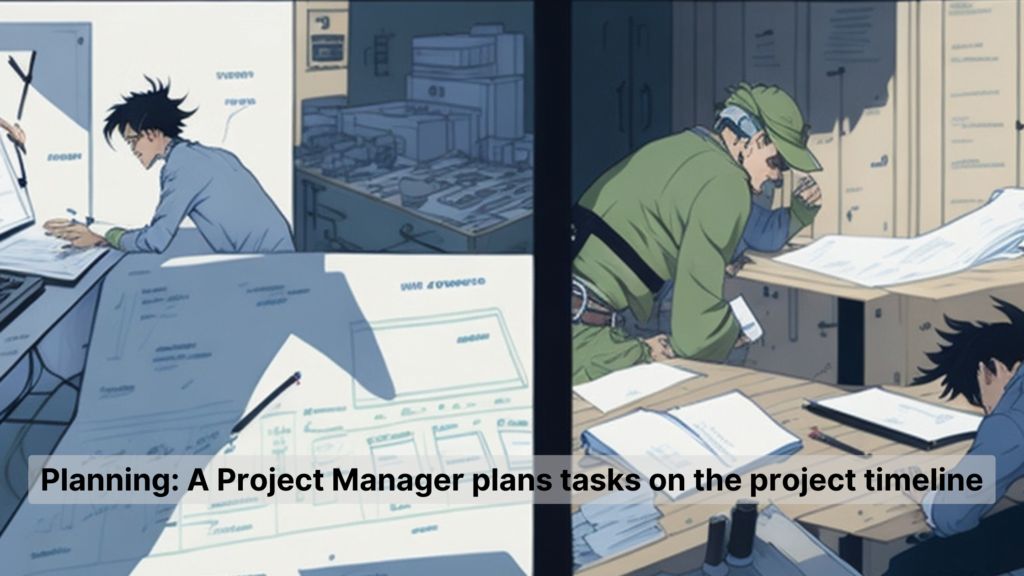
[Image: A project Manager plans tasks on the project timeline]
Once the foundation is laid, it's time to chart your course. Project planning is where the magic happens. You break down the project into manageable tasks, estimate resources, establish timelines, and create a budget. Think of it as creating a treasure map with clear directions for your team to follow. With a well-crafted project plan, you're ready to conquer the challenges that lie ahead.
3. Project Execution: Bringing Ideas to Life
[Image: A team collaborating on project tasks.]
Now comes the exciting part - project execution. This is where ideas turn into reality, and teams come together to make things happen. The project plan serves as your compass, guiding your team through the journey. Collaborative efforts, effective communication, and diligent work transform plans into tangible deliverables. It's a time of creativity, synergy, and the joy of seeing progress unfold.
4. Project Monitoring and Control: Staying on Course
[Image: A project manager monitors and adjusts the project progress]
While sailing through your project, it's essential to keep an eye on the horizon. The project management process emphasizes continuous monitoring and control. You track progress, compare actual performance to planned targets, and make necessary adjustments along the way. This stage ensures that your project stays on course, minimizing deviations and ensuring smooth sailing towards success.
5. Risk Management: Taming the Unknown
[Image: A project manager assessing and addressing project risks.]
Projects are not without risks, but fear not! The project management process equips you with the tools to tame the unknown. Risk management is all about identifying potential risks, assessing their impact, and developing strategies to mitigate them. It's like putting on a superhero cape and protecting your project from unforeseen challenges. With proactive risk management, you can turn obstacles into opportunities.
6. Quality Assurance: Elevating Excellence
[Image: A project manager inspects project deliverables]
In the realm of project management, quality is king. Quality assurance ensures that your project deliverables meet defined standards and exceed expectations. You establish quality metrics, conduct inspections, and implement control measures. Think of it as your project's guardian angel, ensuring excellence and leaving a lasting impression on stakeholders.
7. Project Closure: Celebrating Success
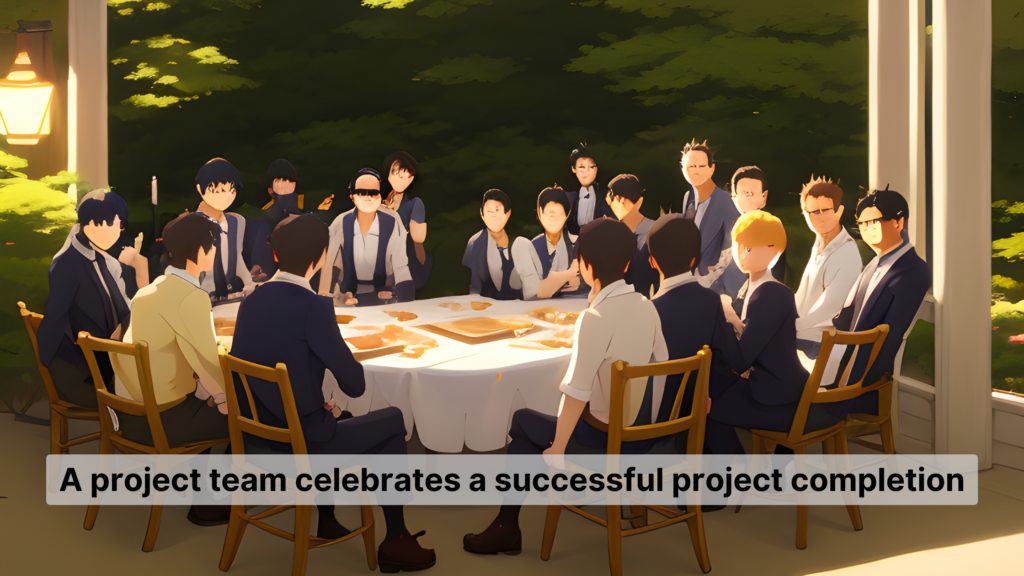
[Image: A team celebrates a successful project completion.]
Every journey has its destination, and every project must come to a close. Project closure is a time of celebration, reflection, and learning. You finalize deliverables, conduct project reviews, and document lessons learned. It's like capturing the essence of your adventure in a treasure chest, ready to be opened for future explorations. Project closure paves the way for new beginnings and sets the stage for your next triumph.
Conclusion: Mastering the Project Management Process: Your Key to Success
[Image: A Project Manager completes tasks]
In the realm of project management, the process is your key to unlocking success. From project initiation to closure, each stage plays a vital role in ensuring a seamless journey. Embrace the process, harness its power, and embark on your projects with confidence. By following the steps outlined in this blog post, you'll be equipped to navigate the challenges, celebrate the milestones, and achieve remarkable results.
[Image: Image representing a group of project management professionals raising their hands in celebration.]
So, gather your team, ignite your passion, and set sail on your project management adventure. With the project management process as your guide, there's no limit to what you can achieve. Get ready to create, innovate, and conquer the world, one successful project at a time.
Remember, the project management process is not just a roadmap; it's a transformative journey that empowers you to make a difference. Embrace it, cherish it, and let it lead you to greatness.
[Image: A project manager leads a team towards a shining goal.]
Now, go forth and unleash your project management prowess. Success awaits!
Note: The images used in this blog post are for illustrative purposes only and do not represent specific individuals or projects.
Introduction : The Importance of Project Management: Unlocking Success and Driving Results
[Image: A team of professionals collaborating on a project, with a clear vision of success.]
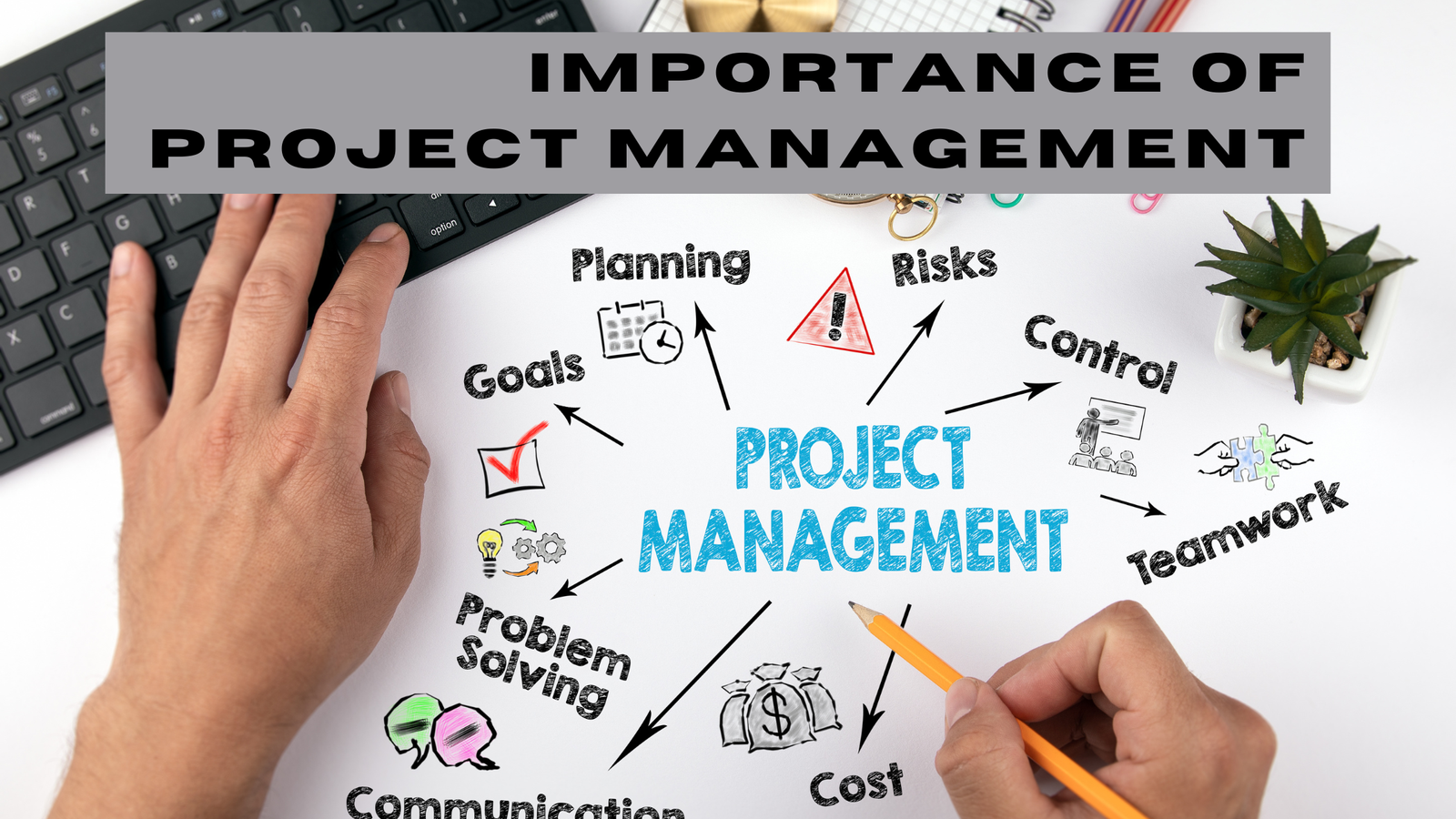
As the world becomes more dynamic and interconnected, organizations across industries are realizing the importance of effective project management. From technology startups to construction giants, project management plays a vital role in driving success, delivering results, and achieving strategic goals. In this blog post, we dive into the exciting world of project management and explore why it is an essential discipline for professionals and businesses alike.
Importance of Project Management:
Building a Solid Foundation for Success
[Image: A project manager leading a team towards a common goal.]
In today's fast-paced business landscape, project management serves as the cornerstone for success. By establishing clear project goals and aligning them with organizational objectives, project managers lay a solid foundation for achieving desired outcomes. This strategic alignment ensures that projects are not just isolated efforts but contribute directly to the bigger picture.
Driving Success and Delivering Results:
Navigating the Path to Accomplishment
[Image: A project team celebrating a successful project completion.]
Project management is the compass that guides projects towards success. Through meticulous planning, organizing, and controlling, project managers navigate the project's journey, ensuring it stays on track and achieves predefined criteria for quality, time, and cost. With effective project management, organizations can complete projects on time, within budget, and with the desired level of quality.
Optimizing Resources for Efficiency:
Maximizing Productivity, Minimizing Costs
[Image: A project manager juggles various resources.]
Resource management is at the heart of project management. Skilled project managers optimize resource allocation, ensuring that the right resources are available at the right time. This approach minimizes delays, avoids shortages, and maximizes productivity. By making the most efficient use of resources, organizations can minimize costs and enhance project outcomes.
Mitigating Risks, Maximizing Opportunities:
Conquering the Uncertainty
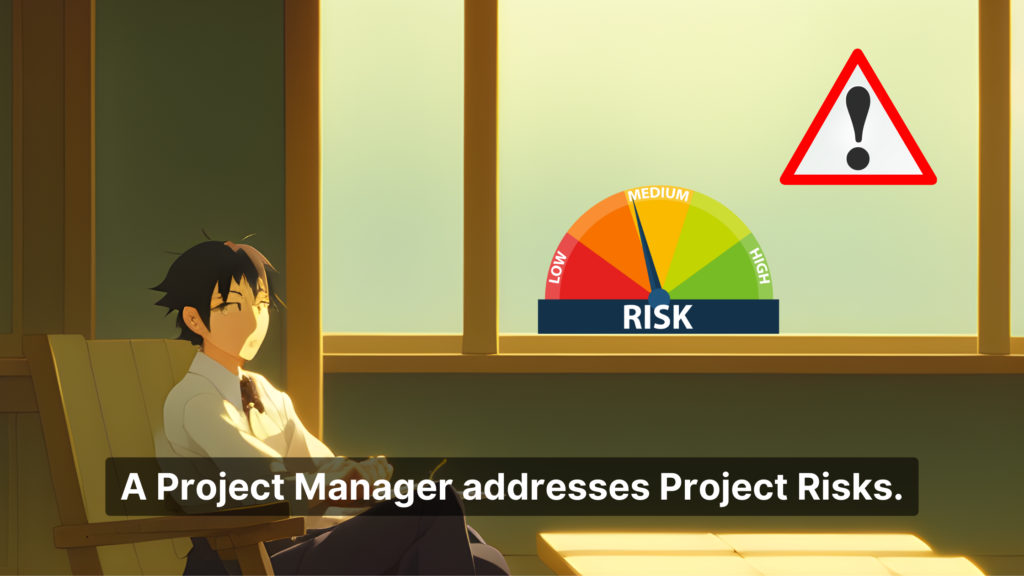
[Image: A project manager assessing and addressing project risks.]
Projects are not without risks and uncertainties. Project management emphasizes proactive risk management, enabling project managers to identify, assess, and mitigate risks throughout the project lifecycle. By anticipating potential roadblocks and taking necessary precautions, project managers minimize the impact of risks and seize opportunities, increasing the chances of project success.
Engaging Stakeholders for Collaboration:
Unlocking the Power of Collaboration
[Image: A diverse group of stakeholders engage in a project discussion.]
Successful project management relies on effective stakeholder engagement. Project managers identify stakeholders, understand their needs and expectations, and actively involve them throughout the project. By fostering open communication, managing conflicts, and gaining stakeholder buy-in, project managers create a collaborative environment where everyone is aligned and motivated to achieve project success.
Embracing Change for Innovation:
Adapting to the Winds of Transformation
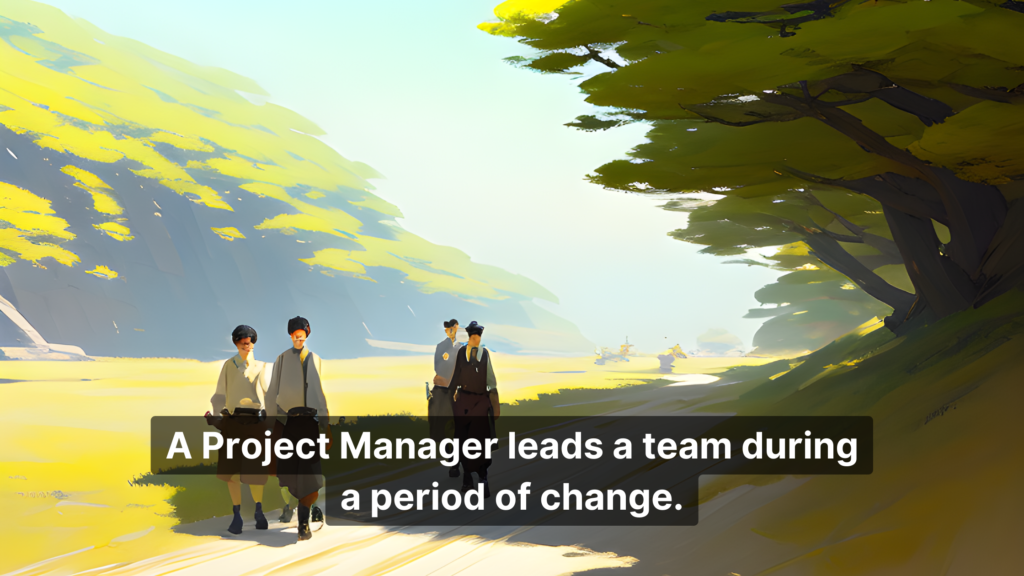
[Image: A project manager leads a team through a period of change.]
Change is inevitable, and project management provides the tools to navigate it effectively. Project managers embrace change management processes, allowing them to handle modifications to project scope, objectives, or requirements. By embracing change and managing it systematically, project managers ensure that projects remain aligned with evolving needs and deliver innovative solutions.
Continuous Improvement for Excellence:
Learning from the Past, Growing for the Future
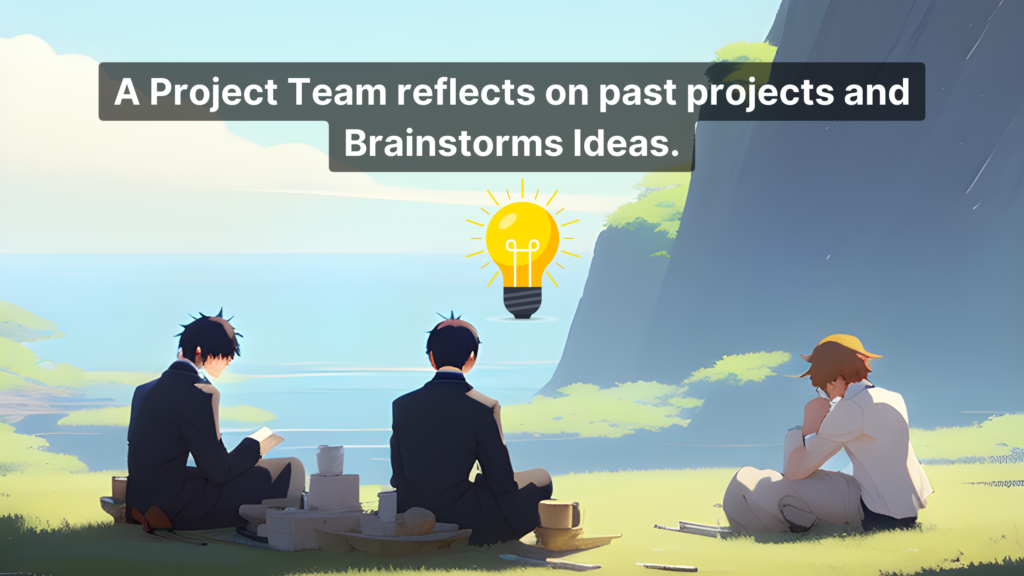
[Image: A project team reflects on past projects and brainstorms ideas.]
Project management encourages a culture of continuous improvement. Through project reviews, post-project evaluations, and knowledge sharing, project managers ensure that lessons learned from past experiences are leveraged to enhance future projects. This iterative approach leads to refined processes, improved project outcomes, and a drive for excellence.
Conclusion:
The Journey to Success Begins with Project Management
[Image: A project manager leads a team towards a shining goal.]
Project management is not just a buzzword; it is a powerful discipline that unlocks success and drives results. From aligning projects with strategic goals to optimizing resources, mitigating risks, engaging stakeholders, embracing change, and fostering continuous improvement, project management offers a roadmap to success. By understanding its importance and harnessing its principles, individuals and organizations can embark on a journey towards accomplishing remarkable feats.
So, whether you're a seasoned professional or just starting your project management journey, embrace the power of project management, and unlock your potential for success!
[Image: A team celebrates a successful project completion.]
With the right blend of skills, knowledge, and passion, you can become a master of projects, leading teams to achieve extraordinary results. So, dive into the exciting world of project management, and let your aspirations soar to new heights!
Remember, in the realm of project management, possibilities are limitless, and success knows no bounds!
Project Resource Management is a crucial discipline within the realm of Construction Project Management and Project Management at large. While it often remains in the shadows, overshadowed by more prominent aspects of project management, its significance cannot be underestimated. In this two-part blog, we aim to shed light on Project Resource Management, offering insights that are often overlooked but are vital for success in project endeavors.
Table of Contents
Unraveling the Essence of Project Resource Management
The Foundation of Project Resource Management
At its core, Project Resource Management revolves around understanding and optimizing various factors that influence the execution of projects and the allocation of resources within a construction project. These factors encompass an array of elements, including construction equipment, materials, human resources, finances, and personnel management.
The Importance of Deliberate Resource Management
To comprehend the significance of Project Resource Management, one must recognize that the success of any project hinges on the effective handling of these resources. It's not enough to have a well-thought-out project plan; resource allocation and management are the linchpins that determine whether a project succeeds or flounders.
The Challenges That Lie Ahead
The Complex World of Construction Equipment Management
One of the often-underappreciated aspects of Project Resource Management is the meticulous management of construction equipment. While it might seem straightforward, ensuring the availability and efficient use of construction machinery can be a daunting challenge. Issues like maintenance, downtime, and resource scheduling can throw a project off track if not handled diligently.
The Crucial Role of Construction Material Management
Another aspect that often escapes the limelight is the management of construction materials. This goes beyond simply ordering the right quantity of bricks or cement. Proper material management involves tracking inventory, minimizing wastage, and ensuring materials are delivered to the right place at the right time.
Human Resource Management: The People Factor
A project is only as good as the people working on it. Managing a diverse team with varying skill sets, experiences, and cultural backgrounds is no small feat. Effective human resource management ensures that the project team functions smoothly, with clear communication, collaboration, and motivation.
Financial Fortitude
The Financial Puzzle of Construction
Finances are the lifeblood of any project, and in the construction industry, it's no different. Managing project finances involves budgeting, cost estimation, procurement, and cost control. A slip-up in financial management can have cascading effects on a project's timeline and overall success.
The Journey of Evolution
As Project Resource Management continues to evolve, various methodologies and techniques have emerged to address the challenges posed by resource allocation and management. These methodologies have evolved over time to adapt to the changing landscape of project management.
Resource Allocation, Aggregation, and Scheduling
Resource allocation involves assigning resources to specific tasks, ensuring that each resource is used optimally. Aggregation involves combining similar resources for efficient use. Scheduling, on the other hand, determines when and for how long resources will be utilized.
Resource Capacity Planning and Dependencies
Resource capacity planning focuses on assessing the availability of resources and their capacity to handle the workload. Understanding dependencies among resources and tasks is essential to avoid bottlenecks and delays.
In the next part of this blog, we will delve deeper into each of these aspects, providing you with a detailed understanding of Project Resource Management methodologies and techniques. We'll uncover valuable insights that will equip you to navigate the challenges that arise when managing project resources effectively.
Stay tuned for Part Two, where we'll explore these concepts in greater detail, unveiling the hidden gems of Project Resource Management that can make a significant difference in your project's success.
For a comprehensive overview of Resource Management, you can also refer to this insightful article: What is Resource Management.
Now, let's delve deeper into the intricacies of Project Resource Management in Part Two of this series.
Here is a list of some of the best Construction Project Management Books for the curious cats out there. The list has been curated based on the recommendations of project managers of some of the world's most prestigious projects being done right now.
As the Saying goes “Readers are Leaders”
This is no different in the case of construction project managers as well. In Fact the importance of knowledge becomes even more important in a field that is both technical and artistic in nature.
To complete any major task one must be confident, well prepared. Especially in the field of construction project management, to be successful, a person should have proper knowledge and confidence to complete/execute the role.
This level of self-assurance can be gained by self-experience in the work and also by proper research done on every aspect of the work. For most fields of study, books are your best resource.
Table of Contents
Now that we have established the importance of books and knowledge lets look at:
The Best and Must read Construction Project Management Books in the market
Most of these books are voluminous and bulky. You can either purchase these books from the store in hardcopy format. Some of these construction and project management books pdf copies are also available by the publishers. These are really helpful when the hardcopy versions are usually bulky to carry around for reference.
Scroll down further for the list of books. If you are an avid reader and knowledge seeker you are sure going to fall in love with them.
Introduction to construction management by Fred Sherratt:
This is one of the beginner’s guides to construction management. It includes terms and concepts that you’ll need to know, along with examples and different perspectives to complete the work.
Construction Project Management: A Complete Introduction by Alison Dykstra:
This book goes in-depth on the process of a construction project. It also attempts to answer any common questions you might have as you begin researching construction management.
The First-Time Manager 6th Edition- by Loren B. Belker, Jim McCormick, Gary S. Topchick:
This book is one of the best-selling construction management books that are available on the market. It offers motivation and management strategies and also guides to understanding the responsibilities expected ahead in a career in management. This is a must-buy book for anyone new person to the project management role.
Construction Management JumpStart by Barbara J. Jackson:
The most famous of them all and the most referred to by students and academicians. This book is a well-organized guide that provides a step by step walkthrough of all stages of projects and it is from an experienced construction management specialist. important details to consider in this book are estimating project costs and ensuring project safety, administering contracts, monitoring performances and more. So, this book is worth reading
Modern Construction Management by Frank Harris and Ronald McCaffer:
In construction management studies, this book is considered a core text. The book is a great resource of knowledge as it covers the basics of construction management, methods, examples of real-world situations and offers solutions, and then manages to go beyond that.
Building Construction: Project Management, Construction Administration, Drawings, Specs, Detailing Tips, Schedules, Checklists and Secrets Others Donʹt Tell You by Gang Chen:
This book will help with tips on construction management and provides a foundation for understanding the field. The best part is provided with the greatest tools like case studies that will allow you to solve issues of the work in the real world.
Construction Business Management: What Every Construction Contractor, Builder & Subcontractor Needs to Know by Nick B. Ganaway:
This is a can’t-miss text in construction management. To be successful at just about anything, you have to learn from the mistakes. This gives you those lessons, the good and the bad, so that you can be profitable. It also doesn’t hurt that the author has 25 years of construction business experience to back up what he’s saying.
Running a Successful Construction Company by David Gerstel:
The author of the book is a builder and he has a lot of work experience in the field. In his book, he shares his methods on how to overcome the difficulties and succeed in running your own construction company.
Successful Construction Project Management: The Practical Guide by Paul Netscher:
This book provides practical tips that will help you on your construction project or if you’ve never been on one, help you get started. Are hidden difficulties in the project management to be avoided?
Read this book.
Construction Project Manager’s Pocket Book by Duncan Cartlidge:
You would want to keep it in your pocket and you can’t go wrong having this handy. straightforward guide. This handbook starts with pre-construction and goes through every activity relevant to a construction manager, including technical expertise, leadership, being environmentally friendly, communication, and negotiation.
Last but not the least anybody who wants to be great and Construction Project Management needs to understand the nuances of General Project Management. For this purpose, there are two great books/ process which is accepted by the world and can be followed they are APMBOK and PMBOK.
The APM Body of Knowledge 7th edition
The APM Body of Knowledge (APMBOK) is a foundational resource, providing the concepts, functions and activities that make up professional project management. It seeks to reflect the developing profession, recognising project-based working at all levels, and across all sectors for influencers, decision-makers, project professionals and their teams.
A Guide to the Project Management Body of Knowledge (PMBOK® Guide)
It is PMI's flagship publication and is a fundamental resource for effective project management in any industry. The book helps in formulating general concepts and philosophies for the user. The reader can customise the processes to their respective field or activity.
Conclusion
Learning and developing skills is a never-ending process. The intention of this article is not to end the knowledge gained with these books only but to provide the reader of this article with a head start into the field of Construction Project Management in specific and Project Management in general.
Happy reading and do let us know which other books can be suggested to newbies in this field.