Work Breakdown Structure (WBS): A Comprehensive Guide

Work Breakdown Structure (WBS): A Comprehensive Guide

Table of Contents

1. Introduction to Work Breakdown Structure

1.1. What is a Work Breakdown Structure (WBS)?

   -A WBS is a hierarchical decomposition of the total scope of work to be carried out by the project team to accomplish the project objectives and create the required deliverables.

   -It is a deliverable-oriented breakdown of a project into smaller components, organized in a tree structure.

   -The WBS defines and organizes the total scope of the project.

   – Each descending level represents an increasingly detailed definition of the project work.

1.2. Importance of WBS in project management

   – Provides a clear and detailed overview of all project tasks and deliverables

   – Helps to effectively plan, execute, and control projects.

   – Enables accurate cost and time estimation

   – Facilitates resource allocation and assignment of responsibilities

   – Serves as a basis for project scheduling and monitoring progress

   – Improves communication among project stakeholders

   – Helps to identify and manage project risks

   – Ensures that all necessary work is accounted for and no unnecessary work is performed.

1.3. Real-life example: Constructing a multi-story office building

   – Consider a project to construct a 10-story office building in a city center

   – The project involves multiple deliverables such as site preparation, foundation, structural framework, mechanical and electrical systems, interior finishes, and landscaping

   – A WBS for this project would start with the overall project at the top level

   – The second level might include major deliverables such as:

     – Site preparation

     – Building structure

     – Mechanical, electrical, and plumbing (MEP) systems 

     – Interior finishes

     – Exterior work and landscaping

   – Each of these deliverables would be further broken down into smaller components at the third, fourth, and fifth levels of the WBS

   – For example, “Building structure” could be decomposed into foundation, structural framework, roof, and facade

   – “MEP systems” could be broken down into HVAC, electrical, plumbing, and fire protection

   – The lowest level of the WBS would consist of specific work packages such as “Install HVAC ductwork on 5th floor” or “Paint interior walls in lobby”

   – By creating a detailed WBS, the project manager can ensure that all necessary work is identified, planned for, and completed in order to successfully deliver the office building project

2. WBS in PMBOK and APM BOK

2.1. PMBOK definition of WBS

   – The PMBOK Guide defines the Work Breakdown Structure as “a deliverable-oriented hierarchical decomposition of the work to be executed by the project team to accomplish the project objectives and create the required deliverables”.

   – It is a way of organizing and defining the total scope of the project by breaking it down into smaller, more manageable components.

2.2. WBS in the Scope Management Knowledge Area of PMBOK

   – In the PMBOK Guide, the Work Breakdown Structure is a key component of the Project Scope Management Knowledge Area.

   – The WBS is created as part of the “Create WBS” process, which falls under the “Planning Process Group” and the “Scope Management Knowledge Area”.

   – The inputs to this process include the scope management plan, project scope statement, requirements documentation, and enterprise environmental factors.

   – The main tool used in this process is decomposition, which involves subdividing project deliverables into smaller, more manageable components.

2.3. APM BOK definition of WBS

   – The APM Body of Knowledge (APM BOK) defines the Work Breakdown Structure as “a hierarchical structure by which project elements are broken down, or decomposed”.

   – The APM BOK also notes that the WBS shows the work required to create the project’s products, as defined in the Product Breakdown Structure (PBS).

2.4. Real-life example: Building a highway bridge

   – Consider a project to construct a new highway bridge. The high-level deliverables in the WBS might include:

     – Foundation

     – Substructure (piers and abutments)

     – Superstructure (girders, deck, and barriers)

     – Approaches and roadway

     – Lighting and signage

   – Each of these deliverables would be further decomposed into smaller elements. For example, the “Foundation” deliverable might include:

     – Excavation

     – Piling

     – Pile caps

     – Footings

   – The “Superstructure” deliverable could be broken down into:

     – Steel girders

     – Bridge deck

     – Expansion joints

     – Barriers and railings

   – By creating a detailed WBS, the project team can ensure that all necessary work is accounted for, and the bridge construction project can be effectively planned, executed, and controlled.

3. Types of Work Breakdown Structures

3.1. Deliverable-based WBS

   – Breaks down the project based on deliverables, such as products, services, or results

   – Focuses on the project scope and what needs to be delivered

   – The hierarchy captures what will be built rather than how it will be built

   – The elements are physical components of the building or interim deliverables needed for completion

   – Components are described using nouns rather than verbs

   – Example: A deliverable-based WBS for a car project might include deliverables like interior, exterior, and electronics, which are further broken down into their components.

3.2. Phase-based WBS  

   – Breaks down the project into phases, such as initiation, planning, execution, control, and closure

   – Focuses on the project lifecycle and when deliverables need to be completed

   – Level 1 elements are typical project phases, while Level 2 elements are unique deliverables in each phase

   – Requires work associated with multiple elements to be divided into the work unique to each Level 1 element

   – Example: A phase-based WBS might include phases like requirements gathering, design, development, testing, and deployment

3.3. Real-life example: Constructing a residential housing complex

   – Consider a project to construct a residential housing complex with multiple apartment buildings, amenities, and infrastructure

   – A deliverable-based WBS for this project might include major deliverables such as:

     – Site preparation (e.g., excavation, grading, utilities)

     – Building structures (e.g., foundations, framing, roofing)

     – Mechanical, electrical, and plumbing systems

     – Interior finishes (e.g., drywall, flooring, painting)

     – Exterior work (e.g., facades, landscaping, parking)

     – Amenities (e.g., clubhouse, pool, fitness center)

   – Each of these deliverables would be further decomposed into smaller components and work packages

   – For example, “Building structures” could be broken down into individual apartment buildings, each with its own foundation, framing, and roofing work packages

   – “Interior finishes” could include work packages for each apartment unit, such as installing drywall, flooring, and fixtures

   – By creating a detailed deliverable-based WBS, the project team can ensure that all necessary work is identified, planned for, and completed to successfully deliver the residential housing complex

4. Creating a Work Breakdown Structure

4.1. Steps to create a WBS

   1. Identify project scope and major deliverables

      – Review project charter, scope statement, and other relevant documents

      – Brainstorm with the project team and stakeholders to identify key deliverables

   2. Decompose deliverables into smaller components  

      – Break down each major deliverable into sub-deliverables and work packages

      – Ensure that each component is specific, measurable, and assignable

   3. Assign codes to each component

      – Use a numbering system to uniquely identify each component

      – The coding helps in tracking and reporting progress

   4. Determine work packages

      – Identify the lowest level tasks required to complete each sub-deliverable

      – Work packages should have a clear start and end point, and be assignable to a specific team or individual

   5. Create WBS dictionary

      – Develop a document that provides detailed information about each component in the WBS

      – The dictionary should include task descriptions, responsible parties, start and end dates, and deliverables

4.2. WBS decomposition levels

   – Level 1: Project title and final deliverable

   – Level 2: Major project phases or high-level deliverables (control accounts)

   – Level 3: Sub-deliverables or work packages

   – Level 4 and beyond: Smaller tasks and activities required to complete work packages

   – The number of levels depends on the project size and complexity

4.3. The 100% rule

   – The WBS must include 100% of the work defined by the project scope

   – All deliverables, both internal and external, must be accounted for

   – The sum of the work at the “child” level must equal 100% of the work at the “parent” level

   – The WBS should not include any work that falls outside the actual scope of the project

4.4. Real-life example: Building a water treatment plant

   – Consider a project to construct a new wastewater treatment plant

   – The Level 1 deliverable is the completed plant

   – Level 2 deliverables could include:

     – Site preparation

     – Foundations and structures

     – Treatment process equipment

     – Piping and utilities

     – Electrical and control systems

   – Level 3 and 4 would further break down each of these deliverables

     – For example, “Treatment process equipment” could include:

       – Screening and grit removal

       – Primary clarifiers

       – Aeration basins

       – Secondary clarifiers

       – Disinfection system

   – The WBS would continue to decompose the work until reaching the work package level

   – The 100% rule ensures that all necessary work is accounted for and within scope

5. WBS Dictionary

5.1. What is a WBS Dictionary?

   – A WBS Dictionary is a document that provides detailed information about each element in the Work Breakdown Structure (WBS)

   – It complements the WBS by offering descriptions, deliverables, activities, and scheduling information for each task

   – Key components of a WBS Dictionary include:

     – WBS Code: Unique identifier for each WBS element

     – Element Name: Task or component name

     – Description of Work: Detailed explanation of the task and its scope

     – Deliverables: Specific outcomes or outputs of the task

     – Responsible Party: Individual or team responsible for completing the task

     – Estimates: Time and cost estimates for the task

     – Schedule Dates: Start and end dates for the task

     – Resources Required: Personnel, equipment, and materials needed

     – Dependencies: Relationships with other tasks

5.2. Importance of a WBS Dictionary

   – Clarifies the scope of work for each WBS element, reducing ambiguities and preventing scope creep

   – Provides a clear understanding of tasks, responsibilities, and expectations for all project stakeholders

   – Helps in managing resources efficiently and achieving project objectives within given constraints

   – Serves as a communication tool, demystifying the WBS and increasing its usability

   – Complements the graphical representation of the WBS by adding detailed information

   – Enables effective project planning, execution, monitoring, and control

5.3. Real-life example: Constructing a shopping mall

   – Consider a project to construct a large shopping mall with multiple floors, retail spaces, food courts, and parking facilities

   – The WBS for this project would include major deliverables such as:

     – Site preparation

     – Foundation and structural work

     – Mechanical, electrical, and plumbing (MEP) systems

     – Interior finishes and fit-outs

     – Exterior work and landscaping

   – The WBS Dictionary would provide detailed information for each of these deliverables and their sub-components

   – For example, under “Interior finishes and fit-outs,” the WBS Dictionary might include:

     – WBS Code: 4.1

     – Element Name: Tenant A Retail Space Fit-Out

     – Description of Work: Complete interior fit-out for Tenant A’s 5,000 sq. ft. retail space, including partitions, flooring, lighting, and fixtures

     – Deliverables: Completed retail space as per Tenant A’s specifications

     – Responsible Party: Interior Fit-Out Contractor

     – Estimates: 4 weeks, $250,000

     – Schedule Dates: Start 01/09/2023, End 30/09/2023

     – Resources Required: Fit-out crew, materials, equipment

     – Dependencies: MEP rough-in complete, Tenant A design approved

   – By providing this level of detail for each WBS element, the WBS Dictionary ensures that all stakeholders have a clear understanding of the work involved in constructing the shopping mall

6. Benefits of using a WBS

6.1. Improved scope management

   – A WBS provides a clear and comprehensive view of the project scope

   – It ensures that all necessary work is included and no unnecessary work is performed

   – By breaking down the project into smaller, manageable components, a WBS helps prevent scope creep

   – It serves as a reference point for evaluating the impact of scope changes

6.2. Better communication and team alignment

   – A WBS acts as a communication tool, providing a common language for all stakeholders

   – It clarifies roles, responsibilities, and expectations for each team member

   – By visualizing the project hierarchy, a WBS helps team members understand how their work fits into the bigger picture

   – It promotes collaboration and accountability among team members

6.3. More accurate cost and time estimates

   – Breaking down the project into smaller tasks enables more accurate cost and time estimation

   – A WBS provides a framework for bottom-up estimating, where costs and durations are estimated at the work package level and then rolled up

   – It helps identify resource requirements and optimize resource allocation

   – Accurate estimates lead to better budgeting and scheduling, reducing the risk of cost overruns and delays

6.4. Real-life example: Building a university campus

   – Consider a project to construct a new university campus, including academic buildings, dormitories, sports facilities, and infrastructure

   – A WBS for this project might include major deliverables such as:

     – Site preparation and infrastructure

     – Academic buildings (classrooms, labs, offices)

     – Student housing and dining facilities

     – Sports and recreation facilities

     – Landscaping and outdoor spaces

   – Each of these deliverables would be further broken down into sub-deliverables and work packages

   – By creating a comprehensive WBS, the project team can:

     – Ensure all necessary components of the campus are included in the scope

     – Clearly communicate the project structure and responsibilities to all stakeholders

     – Develop accurate cost and time estimates for each deliverable and work package

     – Monitor progress and manage scope changes throughout the project lifecycle

   – The WBS serves as a roadmap for the successful planning, execution, and delivery of the university campus project

7. Best practices for creating and using a WBS

7.1. Involve the project team

   – Engage the project team in the WBS creation process to gain their input and buy-in

   – Leverage the team’s expertise to identify all necessary deliverables and work packages

   – Collaboratively developing the WBS fosters a shared understanding of the project scope and responsibilities

   – Involving the team in WBS creation increases their commitment to the project’s success

7.2. Use nouns, not verbs

   – Describe WBS elements using nouns and adjectives, not verbs

   – Focus on deliverables and outcomes, not activities or tasks

   – Using nouns helps maintain clarity and avoids confusion between the WBS and the project schedule.

   – Example: “Access road” instead of “Build access road”

7.3. Avoid overlapping deliverables

   – Ensure that each WBS element is mutually exclusive and does not overlap with others in scope

   – Overlapping deliverables can lead to duplication of effort, confusion, and inaccurate cost or resource estimates

   – Clearly define the boundaries and scope of each deliverable to maintain clarity and accountability

7.4. Real-life example: Constructing a sports stadium

   – Consider a project to construct a new sports stadium with a seating capacity of 50,000

   – Involve the project team, including architects, engineers, contractors, and stakeholders, in developing the WBS

   – The high-level WBS elements (Level 2) might include:

     – Site preparation

     – Foundation and structural work

     – Seating and spectator areas

     – Playing field and sports facilities

     – Mechanical, electrical, and plumbing systems

     – Exterior work and landscaping

   – Each of these elements would be further decomposed into Level 3 and beyond, using nouns to describe the deliverables

   – For example, “Seating and spectator areas” might include:

     – Lower tier seating

     – Upper tier seating

     – VIP boxes and suites

     – Concourses and walkways

     – Restrooms and concessions

   – Ensure that each deliverable is mutually exclusive and clearly defined to avoid overlap

   – By involving the team, using nouns, and avoiding overlap, the WBS for the sports stadium project will provide a clear and comprehensive breakdown of the scope, facilitating effective planning, execution, and control

8. Common pitfalls to avoid

8.1. Too much or too little detail

   – Finding the right level of detail is crucial for an effective WBS

   – Too much detail can lead to micromanagement, slowing down project progress

   – Work packages should not be so detailed that they represent tasks lasting only a few hours

   – Too little detail makes it difficult for the project manager to effectively manage the project

   – Insufficient detail in the WBS can result in inaccurate scheduling and resource estimation

   – Aim for a level of detail where work packages are manageable and can be easily assigned to team members

8.2. Confusing WBS with a project schedule

   – The WBS is not a project schedule and should not include task durations, start/end dates, or dependencies

   – The WBS is a hierarchical decomposition of the project scope, focusing on deliverables and work packages

   – The project schedule, on the other hand, adds a time dimension to the WBS, defining when each task will be performed

   – Avoid discussing task sequencing or timelines when creating the WBS to prevent confusion

8.3. Real-life example: Building a power plant

   – Consider a project to construct a new power generation plant

   – A high-level WBS for this project might include:

     – Site preparation

     – Foundations and structures

     – Mechanical systems (e.g., turbines, generators)

     – Electrical systems (e.g., switchgear, transformers)

     – Instrumentation and control systems

     – Balance of plant (e.g., cooling towers, water treatment)

   – Decomposing these elements further, the “Mechanical systems” branch might include:

     – Steam turbine

     – Gas turbine

     – Generators

     – Condensers

     – Pumps and piping

   – To avoid too much detail, individual components like valves or sensors should not be included in the WBS

   – To avoid too little detail, ensure that work packages are defined at a level where they can be effectively managed and assigned

   – Focus on deliverables and work packages, not on scheduling or task sequencing, to maintain clarity and avoid confusion with the project schedule

9. Conclusion

9.1. Recap of key points

   – A Work Breakdown Structure (WBS) is a hierarchical decomposition of the total scope of work required to complete a project

   – The WBS breaks down the project into smaller, more manageable components, providing a clear and structured view of the work

   – Key benefits of using a WBS include improved scope management, better communication and team alignment, and more accurate cost and time estimates

   – Best practices for creating and using a WBS involve engaging the project team, using nouns to describe deliverables, and ensuring that each element is mutually exclusive

   – Common pitfalls to avoid include having too much or too little detail and confusing the WBS with a project schedule

9.2. Importance of WBS for successful project management

   – The WBS serves as the foundation for project planning, execution, and control

   – It provides a clear understanding of the project scope and helps prevent scope creep

   – The WBS enables effective resource allocation, risk identification, and progress tracking

   – By breaking down the project into manageable components, the WBS makes the project more achievable and increases the likelihood of success

9.3. Real-life example: Constructing an airport terminal

   – Consider a project to construct a new airport terminal to accommodate increased passenger traffic and larger aircraft

   – The WBS for this project would start with the overall project deliverable (the completed terminal) and then break it down into major components such as:

     – Site preparation and foundations

     – Terminal building structure

     – Mechanical, electrical, and plumbing systems

     – Interior finishes and furnishings

     – Baggage handling systems

     – Passenger boarding bridges

     – Landscaping and exterior work

   – Each of these major components would be further decomposed into sub-deliverables and work packages

   – For example, “Interior finishes and furnishings” might include:

     – Flooring

     – Wall coverings

     – Ceilings

     – Lighting fixtures

     – Seating and furniture

     – Signage and wayfinding

   – By creating a comprehensive WBS, the project team can ensure that all necessary work is identified, planned for, and completed to successfully deliver the new airport terminal

In conclusion, the Work Breakdown Structure is a powerful tool for project managers to plan, execute, and control projects effectively. By breaking down complex projects into smaller, more manageable components, the WBS provides a clear roadmap for project success. When applied to real-life projects like constructing an airport terminal, the WBS helps ensure that all necessary work is accounted for, resources are allocated efficiently, and the project is completed on time, within budget, and to the required quality standards.

Additional Reads:

Work Breakdown Structre (WBS) (by Project Manager.com)

https://venunataraj.com/10-steps-to-master-wbs-in-construction-management-part-1

https://venunataraj.com/10-steps-to-master-wbs-in-construction-management-part-2

https://venunataraj.com/10-steps-to-master-wbs-in-construction-management-part-3
Building a Greener Future: Integrating Sustainability into Construction Management

Building a Greener Future: Integrating Sustainability into Construction Management

Building a Greener Future: Integrating Sustainability into Construction Management

The construction industry has a significant impact on the environment, accounting for a substantial portion of global energy consumption, greenhouse gas emissions, and waste generation. As the world becomes increasingly aware of the urgent need to address climate change and protect our planet, the integration of sustainable practices into construction management has become a top priority. By embracing green building techniques, utilizing eco-friendly materials, and prioritizing energy efficiency, the construction industry can play a vital role in building a more sustainable future.

The Importance of Sustainable Construction

Sustainable construction practices offer numerous benefits, both for the environment and for the businesses involved. From an environmental perspective, green building contributes to the reduction of greenhouse gas emissions, conserves natural resources, and enhances biodiversity. Economically, sustainable buildings often result in lower operating costs, higher property values, and increased marketability.

Moreover, sustainable construction practices promote healthier living environments by ensuring appropriate ventilation, moisture control, and the use of non-toxic materials. This, in turn, enhances the well-being and productivity of building occupants [4].

Green Building Certifications and Standards

To encourage and standardize sustainable construction practices, various green building certification programs and standards have been developed. The most widely recognized certification is LEED (Leadership in Energy and Environmental Design), which provides a framework for designing, constructing, and operating green buildings [13].

LEED certification is based on a points system that evaluates a building’s performance in several key areas, including energy efficiency, water conservation, materials selection, and indoor environmental quality. Projects can achieve different levels of certification (Certified, Silver, Gold, or Platinum) depending on the number of points earned [13].

Other notable green building standards include BREEAM (Building Research Establishment Environmental Assessment Method) and the Living Building Challenge, which push the boundaries of sustainability even further.

Sustainable Design and Construction Strategies

To successfully integrate sustainability into construction management, it is essential to adopt a holistic approach that considers the entire lifecycle of a building, from design to construction, operation, and eventual deconstruction.

Design Phase

The design phase is crucial for setting the foundation for a sustainable building. Architects and designers should consider factors such as site selection, building orientation, passive solar design, and the use of eco-friendly materials [3]. Building information modeling (BIM) tools can help optimize energy performance and minimize waste by allowing for virtual simulations and clash detection before construction begins.

Construction Phase

During the construction phase, the focus should be on minimizing waste, conserving resources, and ensuring a safe and healthy work environment. This can be achieved through the implementation of lean construction practices, which aim to maximize value while minimizing waste [14]. Prefabrication and modular construction techniques can also help reduce on-site waste and improve efficiency [16].

Effective waste management is another key aspect of sustainable construction. By conducting waste audits, separating materials for recycling, and repurposing existing materials whenever possible, construction companies can significantly reduce the amount of waste sent to landfills [16].

Material Selection

The choice of building materials plays a significant role in the sustainability of a construction project. Opting for locally sourced, recycled, or rapidly renewable materials can help reduce the environmental impact of construction [3]. Examples of sustainable materials include reclaimed wood, recycled steel, and bamboo, which has a much lower environmental footprint compared to traditional lumber [17].

It is also important to select materials with low embodied energy, meaning they require less energy to produce, transport, and install. This can be achieved by choosing materials that are durable, low-maintenance, and recyclable at the end of their life cycle [12].

Energy Efficiency

Energy efficiency is a cornerstone of sustainable construction, as buildings account for a significant portion of global energy consumption. Incorporating energy-efficient technologies such as LED lighting, smart thermostats, and advanced HVAC systems can greatly reduce a building’s energy usage and operating costs [1].

Renewable energy integration is another way to improve the sustainability of a building. Installing solar panels, wind turbines, or geothermal systems can help offset a building’s energy consumption and even generate surplus clean energy [1].

Water Conservation

Water is a precious resource, and sustainable construction practices should aim to minimize water waste and promote conservation. This can be achieved through the use of low-flow plumbing fixtures, rainwater harvesting systems, and greywater recycling [12].

Landscaping also presents an opportunity for water conservation. By selecting native, drought-tolerant plants and implementing efficient irrigation systems, construction projects can significantly reduce their water footprint [12].

Case Studies and Success Stories

Many construction projects around the world have successfully integrated sustainable practices and achieved impressive results. For example:

  • The Bullitt Center in Seattle, Washington, is considered one of the greenest commercial buildings in the world. It features a photovoltaic array that generates 100% of the building’s energy needs, a rainwater harvesting system that supplies all of its water, and composting toilets that eliminate the need for a sewer connection [17].
  • The Pixel Building in Melbourne, Australia, achieved a perfect score of 100 points under the Green Star rating system. It incorporates innovative features such as vacuum toilet systems, anaerobic digestion of waste, and a rooftop garden that provides insulation and helps reduce the urban heat island effect [17].
  • The Bahrain World Trade Center is a twin-tower complex that integrates three massive wind turbines into its design. These turbines provide a portion of the building’s energy needs and serve as a visible symbol of its commitment to sustainability[17].

Challenges and Future Outlook

Despite the numerous benefits of sustainable construction, there are still challenges that need to be addressed. These include the initial costs of implementing green building technologies, the need for greater awareness and education among stakeholders, and the resistance to change within the industry [15].

However, as governments around the world set ambitious targets for carbon neutrality and sustainable development, the demand for green buildings is expected to grow rapidly. The future of construction management lies in the ability to innovate, collaborate, and adapt to the changing landscape of sustainability [15].

Conclusion

The integration of sustainable practices into construction management is no longer a choice but a necessity. By embracing green building techniques, utilizing eco-friendly materials, and prioritizing energy efficiency, the construction industry can play a vital role in building a more sustainable future for generations to come. As we move forward, it is essential for all stakeholders – from architects and engineers to contractors and clients – to work together towards a common goal of creating buildings that are not only functional and aesthetically pleasing but also environmentally responsible and socially equitable.

Sustainable building design

Citations:

[1] https://www.patsnap.com/resources/blog/10-innovations-for-energy-efficiency-in-buildings-you-need-to-know-about/
[2] https://bregroup.com/products/smartwaste/solutions/sustainable-construction-methods/
[3] https://www.greendesignconsulting.com/single-post/how-to-choose-the-right-materials-for-a-leed-project
[4] https://www.construction21.org/articles/h/the-methods-and-benefits-of-sustainable-construction.html
[5] https://green.org/2024/01/30/sustainability-and-green-building-practices/
[6] https://www.shipleyenergy.com/resources/commercial/energy-efficiency-for-construction/
[7] https://www.forconstructionpros.com/sustainability/article/22288658/nielsons-skanska-inc-rethinking-sustainable-strategies-for-construction-waste
[8] https://www.cupapizarras.com/usa/news/5-leed-certified-projects/
[9] https://exaktime.com/blog/sustainable-construction-benefits/
[10] https://blog.attuneiot.com/green-building-techniques-and-strategies-to-consider
[11] https://www.pathlightpro.com/energy-efficiency-in-the-construction-industry-why-its-essential/
[12] https://www.gordian.com/resources/sustainable-construction-techniques/
[13] https://www.usgbc.org/leed
[14] https://www.mdpi.com/2071-1050/16/5/1857
[15] https://economictimes.indiatimes.com/small-biz/sustainability/energy-efficiency-an-unprecedented-shift-in-construction-industry/articleshow/106308317.cms
[16] https://www.coastessential.com/waste-reduction-strategies-in-construction/
[17] https://ugreen.io/the-comprehensive-guide-to-sustainable-products-for-leed-certification-building-a-greener-future-today/
[18] https://www.dexma.com/blog-en/10-ways-to-reduce-energy-consumption-on-construction-sites/
[19] https://www.csusm.edu/energy/sustainabledesign.html

Mastering Site Management in Construction Projects: 7 Essential Strategies for Success

Mastering Site Management in Construction Projects: 7 Essential Strategies for Success

Site Management in Construction Projects

In the dynamic landscape of construction project management, effective site management stands as the linchpin for success. From demobilization of resources to settlement of claims, each aspect plays a pivotal role in project execution. Let’s explore four critical components of site management and their implications for project success.

Introduction: Optimizing Site Management for Project Success

When it comes to managing construction projects, making sure things run smoothly on-site is key to getting things done right. As projects move forward, it becomes really important to handle all the ins and outs of organizing the site. That means everything from moving equipment around to dealing with any issues that pop up and adjusting to whatever changes come along. So, in this article, we’re going to talk about four big parts of managing a site and share some tips on how to make sure your project goes as smoothly as possible.

Demobilization of Resources: Streamlining Project Closure

Process and Considerations

Definition:

Demobilization involves the systematic removal of resources, such as equipment and materials, from the construction site upon project completion.

Source: trasan.com
  • Planning Ahead: Anticipate demobilization needs early in the project lifecycle, incorporating demobilization plans into project schedules and budgets.
  • Resource Disposal: Develop strategies for disposing of surplus materials and equipment responsibly, considering environmental regulations and sustainability goals.
  • Evaluation and Documentation: Evaluate project performance post-demobilization, documenting lessons learned and best practices for future projects.
  • Environmental Considerations: Prioritize environmentally friendly disposal methods, such as recycling or repurposing materials, to minimize ecological impact.

Settlement of Claims: Resolving Disputes Amicably

Source: HR Cloud

Handling Disputes and Resolutions

  • Addressing Disputes: Establish clear protocols for addressing disputes and disagreements among project stakeholders, promoting open communication and conflict resolution.
  • Negotiating Fair Settlements: Engage in constructive dialogue to negotiate fair and equitable settlements, balancing the interests of all parties involved.
  • Minimizing Legal Risks: Mitigate legal risks by adhering to contract terms, documenting agreements, and seeking legal counsel when necessary.
  • Mediation and Arbitration: Explore alternative dispute resolution methods, such as mediation or arbitration, to expedite resolution and avoid costly litigation.
Source: LinkedIn Pulse

Extension of Time: Adapting to Project Realities

Requesting Additional Time

  • Understanding Time Extensions: Recognize valid reasons for requesting time extensions, such as unforeseen delays, scope changes, or force majeure events.
  • Documenting Justifications: Maintain detailed records to substantiate time extension requests, providing evidence of the impact on project schedule and milestones.
  • Client Approval Process: Seek client approval for time extensions promptly, ensuring transparency and accountability in project management.
  • Mitigating Delays: Implement proactive measures to mitigate delays and minimize the need for time extensions, such as proactive scheduling and risk management strategies.

Guidelines for Site Management: Navigating Challenges with Confidence

Best Practices and Recommendations

Source: lawdonut.co.uk

Implementing Safety Protocols

  • Prioritize Safety: Safety should be the foremost priority on any construction site. Establish comprehensive safety protocols that encompass all aspects of construction activities, from equipment operation to personal protective equipment (PPE) usage.
  • Adherence to Standards: Ensure strict adherence to industry standards and regulations to mitigate risks and promote a safe working environment. Regular safety inspections and audits should be conducted to identify potential hazards and address them promptly.
  • Training and Education: Provide regular safety training and education to all personnel involved in the project. This includes not only construction workers but also supervisors, managers, and subcontractors. Empower workers with the knowledge and skills necessary to identify and mitigate safety hazards.
Source: Essential Data Corporation

Compliance with Regulations

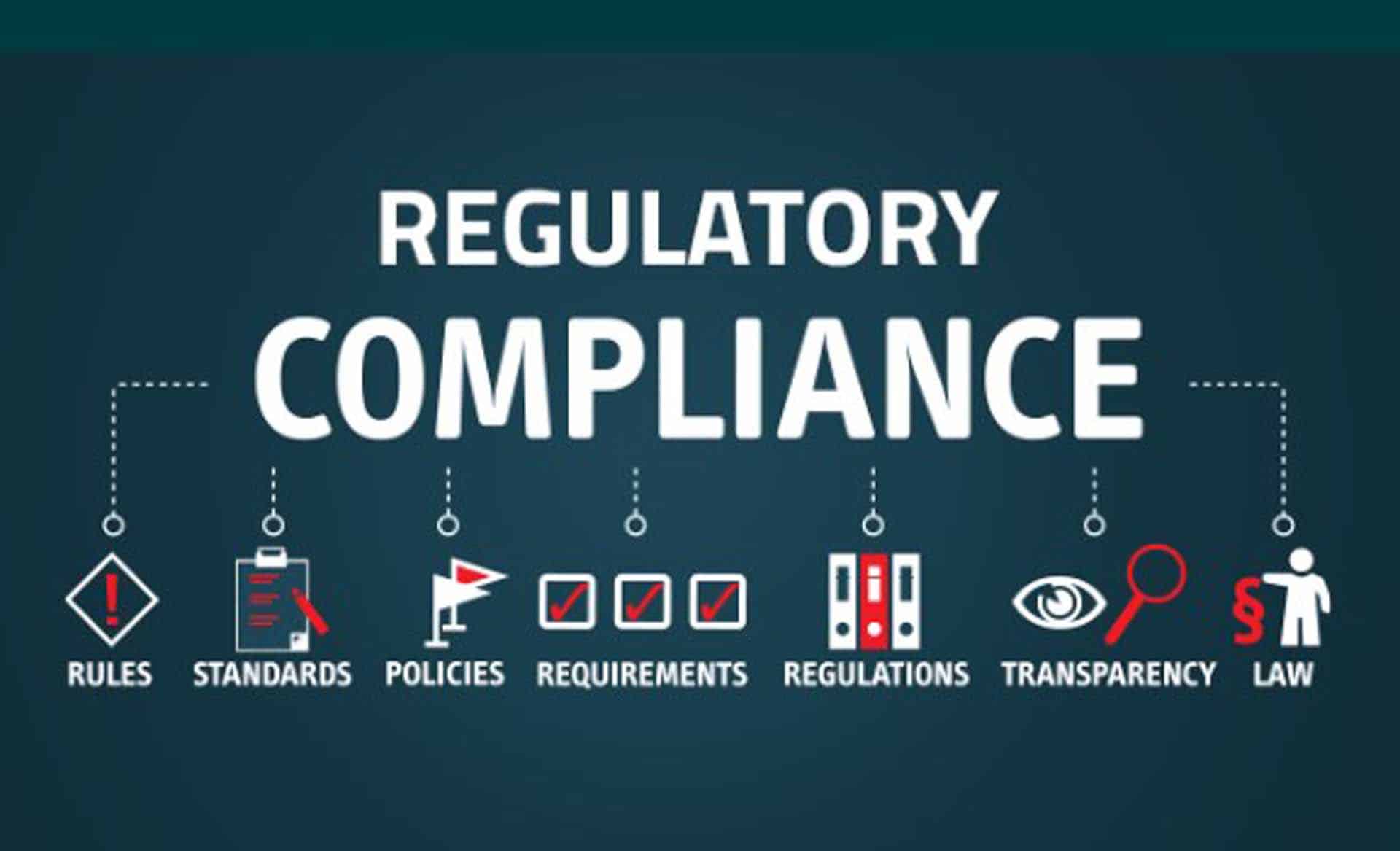
  • Stay Informed: Keep abreast of local regulations, building codes, and safety standards governing construction activities in the project area. Failure to comply with these regulations can result in costly delays, fines, or even legal action.
  • Documentation and Records: Maintain accurate documentation of permits, inspections, and compliance efforts throughout the project lifecycle. This documentation serves as evidence of compliance in the event of an audit or dispute.
  • Engage with Authorities: Establish open lines of communication with local authorities and regulatory agencies to ensure compliance and address any questions or concerns. Proactively seek guidance and clarification on regulatory requirements to avoid misunderstandings or violations.
Source: Hitchcock & King

Promoting Teamwork

  • Foster Collaboration: Create a collaborative work environment where all project team members feel valued and respected. Encourage open communication, constructive feedback, and shared decision-making to foster a sense of ownership and accountability.
  • Clear Communication Channels: Establish clear communication channels to facilitate information flow and coordination among project stakeholders. Regular team meetings, progress updates, and project reviews can help keep everyone aligned and informed.
  • Recognize Achievements: Acknowledge and celebrate team achievements and milestones to boost morale and motivation. Recognize individual contributions and foster a culture of appreciation and camaraderie among team members.

Continuous Improvement

  • Embrace Feedback: Solicit feedback from stakeholders at all levels, including clients, subcontractors, and project team members. Actively listen to concerns, suggestions, and ideas for improvement, and take proactive steps to address them.
  • Learning from Experience: Implement lessons learned from past projects to inform current practices and processes. Analyze successes and failures objectively, identify areas for improvement, and adjust strategies accordingly.
  • Invest in Innovation: Embrace new technologies, methodologies, and best practices to enhance site management efficiency and effectiveness. Stay abreast of industry trends and advancements and be willing to adapt and innovate to stay ahead of the curve.

Conclusion: Charting a Course for Success

In conclusion, site management in construction projects demands meticulous planning, proactive communication, and agile decision-making. By embracing best practices and leveraging effective strategies, project teams can navigate challenges with confidence and drive projects to successful completion. From demobilizing resources responsibly to settling claims amicably and adapting to project dynamics, mastering site management is key to unlocking the full potential of construction projects. With a steadfast commitment to excellence, project managers can chart a course for success and leave a lasting impact on the built environment.

Further Reads:

Types of Site Organization: 3 types of Site Organization in Construction Projects

Site Organization Strategies: Strategies for Site Organization in Construction Projects

Warehouse and Store Management: Warehouse Management and Store Managements in Construction

3 Essential Strategies: Site Organization in Construction

3 Essential Strategies: Site Organization in Construction

3 Essential Strategies for Site Organization in Construction

This comprehensive exploration of site organization in construction projects illuminates the critical role of organization charts and execution and monitoring processes. By integrating these components effectively, project managers empower their teams to achieve excellence in project delivery.

Understanding Site Organization in Construction Projects

In the realm of construction project management, effective site organization serves as the cornerstone for successful project execution. From defining roles and responsibilities to establishing communication channels, the structure of site organization profoundly impacts project outcomes. Let’s delve into the intricacies of two critical components of site organization: the organization chart and the execution and monitoring process.

Organization Chart: Mapping the Path to Success

Importance and Structure

Definition:

An organization chart, often likened to a roadmap, delineates the hierarchical structure of a construction project team.

Importance:

  • Provides clarity: Organization charts help team members understand their roles and reporting lines, reducing confusion and improving efficiency.
  • Enhances communication: By visualizing the structure of the project team, organization charts facilitate communication and coordination among team members.
  • Supports decision-making: Clear delineation of roles and responsibilities enables effective delegation of tasks and decision-making within the project team.

Structure:

  • Hierarchical layout: Typically, organization charts are arranged in a hierarchical format, with higher-level positions positioned above lower-level positions.
  • Reporting relationships: Lines connecting positions indicate reporting relationships, illustrating who reports to whom within the project team.
  • Position titles: Each position within the organization chart is labeled with a title, such as project manager, department head, or team leader.

Components and Elements

Positions or Titles:

Project Manager: Responsible for overall project planning, execution, and control.

Department Heads: Heads of functional departments, such as engineering, procurement, and construction, overseeing departmental activities.

Team Leaders: Leaders of project teams or work crews, responsible for managing day-to-day operations and coordinating team activities.

Lines of Authority and Communication:

Solid Lines: Represent formal reporting relationships, indicating direct lines of authority and communication within the project team.

Dotted Lines: Indicate informal or advisory relationships, such as dotted lines between project managers and functional department heads.

Relationships between Departments or Divisions:

Horizontal Relationships: Connections between positions at the same hierarchical level, indicating collaboration or coordination between departments or divisions.

Vertical Relationships: Lines connecting positions at different hierarchical levels, illustrating reporting relationships and chains of command.

Execution and Monitoring: Guiding Projects to Completion

Mobilization of Materials and Equipment on Site Management

  • Coordination of Resources Delivery: Ensure timely delivery of materials and equipment to the construction site, coordinating with suppliers and logistics providers.
  • Proper Storage and Handling: Establish protocols for the storage and handling of materials and equipment on-site, minimizing damage and ensuring safety.
  • Tracking and Monitoring: Implement systems to track the utilization of materials and equipment, monitoring usage levels and replenishing supplies as needed.

Work Completion and Finalization

  • Ensuring Completion: Monitor progress towards project milestones and deadlines, ensuring that all project tasks are completed on schedule.
  • Final Inspections and Quality Checks: Conduct final inspections and quality checks to verify that all work meets project specifications and quality standards.
  • Client Approval and Sign-Off: Obtain client approval and sign-off on completed work, ensuring satisfaction and acceptance of deliverables.

Preparation of Final Bill

  • Compilation of Expenses: Gather data on project expenses, including labor costs, material costs, equipment rentals, and subcontractor fees.
  • Calculation of Costs: Calculate the total cost of the project, including direct costs, indirect costs, and overhead expenses.
  • Generation of Final Invoice: Prepare the final invoice based on the compiled expenses, ensuring accuracy and completeness in billing.

Reconciliation of Materials

  • Matching Material Usage: Compare actual material usage with planned quantities, identifying any discrepancies or variances.
  • Addressing Discrepancies: Investigate discrepancies in material usage and take corrective action, such as adjusting inventory records or investigating potential waste.
  • Updating Inventory Records: Update inventory records to reflect accurate material usage, ensuring that stock levels are properly accounted for.

Plant and Equipment Utilization Statement

  • Assessment of Equipment Usage: Evaluate the utilization of plant and equipment on the construction site, analyzing usage rates and downtime.
  • Identification of Efficiency Improvements: Identify opportunities to improve equipment utilization and efficiency, optimizing resource allocation and minimizing downtime.
  • Planning for Maintenance and Replacement: Develop maintenance schedules and replacement plans for plant and equipment, ensuring continued reliability and performance.

List of Defects

  • Compilation of Identified Defects: Create a comprehensive list of defects or issues identified during project execution, including construction defects, safety hazards, or quality deficiencies.
  • Documentation of Corrective Actions: Document the corrective actions taken to address each defect, detailing the steps taken to rectify the issue and prevent recurrence.
  • Verification of Defect Resolution: Verify that all identified defects have been effectively resolved before project closure, ensuring that the final deliverables meet quality standards.

Conclusion:

In conclusion, site organization stands as the guiding beacon in the labyrinth of construction projects. Through clear organization charts and meticulous execution and monitoring processes, project teams navigate challenges, mitigate risks, and drive projects to successful completion. With a keen eye on communication, collaboration, and quality, construction project management transcends mere coordination to orchestrate symphonies of success.

Further Reads:

Site Organization Types: 3 types of Site Organization in Construction Projects

Warehouse and Store Management: Warehouse Management and Store Managements in Construction

3 Essential types of Site Organizations

3 Essential types of Site Organizations

3 types of Site Organization in Construction Projects

Introduction to Site Organization in Construction Projects

Site organization plays a crucial role in the successful execution of construction projects. It involves structuring the project team, defining roles and responsibilities, and establishing communication channels to ensure efficient project delivery. Different types of site organization, such as functional, divisional, and matrix structures, offer various advantages and challenges for project management professionals. Understanding these organizational models is essential for effectively managing resources, coordinating activities, and achieving project objectives.

Types of Site Organization

The three most commonly known Site Organization structures are: Functional Organization, Divisional Organization and Matrix Organization. Now, let us take a look at each of these.

Functional Organization

Definition:

Functional organization is a hierarchical structure where employees are grouped by specialized functions or departments, such as engineering, procurement, and construction.

Source: AIHR

Characteristics:

  • Clear Hierarchy: Functional organizations have a clear chain of command, with distinct levels of management overseeing different departments.
  • Specialized Expertise: Each department focuses on a specific aspect of the project, allowing for specialized skills and knowledge.
  • Efficiency: Specialization enables departments to operate efficiently in their respective domains, contributing to overall project success.

Advantages:

  • Division of Labor: Functional organization promotes a clear division of labor, with each department handling specific tasks.
  • Specialization: Employees develop expertise in their respective fields, leading to higher productivity and quality of work.
  • Career Growth: Functional organizations offer opportunities for career advancement within specialized areas, encouraging employee development.

Disadvantages:

  • Communication Barriers: Silos may form between departments, hindering communication and collaboration.
  • Limited Flexibility: Functional organizations may struggle to adapt to changes in project requirements or market conditions.
  • Coordination Challenges: Coordinating activities across departments can be challenging, leading to delays or inefficiencies.

Divisional Organization

Source: AIHR

Definition:

Divisional organization groups employees based on products, projects, or geographic locations, allowing for greater autonomy and flexibility within each division.

Characteristics:

  • Autonomous Units: Each division operates as a self-contained entity with its own resources and management structure.
  • Adaptability: Divisional organizations can adapt quickly to changes in market conditions or project requirements, thanks to their decentralized structure.
  • Focused Management: Divisional managers have greater autonomy and decision-making authority, allowing for focused management attention on specific product lines or projects.

Advantages:

  • Flexibility: Divisional organizations can respond quickly to market demands or changes in project scope, thanks to their decentralized structure.
  • Innovation: Divisions have the freedom to innovate and experiment, fostering creativity and entrepreneurship.
  • Focused Attention: Divisional managers can devote their attention to specific product lines or projects, leading to improved performance and outcomes.

Disadvantages:

  • Duplication of Resources: Divisions may duplicate resources or functions, leading to inefficiencies or redundancies.
  • Coordination Challenges: Maintaining consistency and coordination across different divisions can be challenging, especially in large organizations.
  • Limited Central Control: Divisional organizations may lack centralized control, making it difficult to enforce standardized processes or policies.

Matrix Organization

Source: designingbuildings.co.uk

Definition:

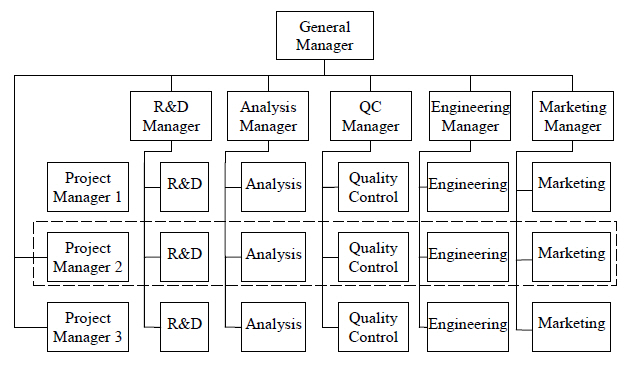
Matrix organization combines aspects of both functional and divisional structures, allowing employees to report to both functional managers and project managers.

Characteristics:

  • Dual Reporting Relationships: Employees report to both functional managers (e.g., engineering, procurement) and project managers, balancing functional expertise with project-specific needs.
  • Flexibility: Matrix structures offer flexibility in resource allocation, allowing organizations to deploy resources based on project priorities.
  • Enhanced Communication: Matrix organizations promote communication and collaboration between functional departments and project teams, leading to better coordination and integration.

Advantages:

  • Resource Flexibility: Matrix organizations can allocate resources dynamically, responding to changing project needs or priorities.
  • Collaboration: Matrix structures foster collaboration and teamwork across functional departments and project teams, leading to synergistic outcomes.
  • Adaptability: Matrix organizations are well-suited for dynamic environments or projects with complex requirements, thanks to their flexible structure.

Disadvantages:

  • Role Confusion: Employees may experience role confusion or conflicting priorities due to dual reporting relationships, leading to tension or inefficiencies.
  • Complexity: Managing a matrix organization requires strong communication and conflict resolution skills, as well as robust project management processes.
  • Power Struggles: Matrix structures can lead to power struggles between functional managers and project managers, especially if roles and responsibilities are not clearly defined.

Conclusion

In conclusion, effective site organization is essential for the successful execution of construction projects. Understanding the different types of site organization, including functional, divisional, and matrix structures, allows project managers to choose the most suitable approach for their projects. Each organizational model offers unique advantages and challenges, influencing project management practices and team dynamics. By carefully considering the project requirements and organizational context, project managers can optimize resource allocation, enhance communication, and drive project success.

Further Reads:

For article on Warehouse and Store Management: Warehouse Management and Store Management in Construction

Forecasting the Future: 3 Ways to Champion Time on Projects

Forecasting the Future: 3 Ways to Champion Time on Projects

1. Introduction:

Forecasting stands as a pivotal aspect in the realm of construction project management, guiding various facets that ensure successful project outcomes. Effective time management, paramount to project success, dictates the trajectory of projects from inception to completion. This entails not only personnel time management but also meticulous planning strategies to uphold timelines and budgets.

In an ever-evolving landscape, where uncertainties loom large, the ability to predict project timelines with accuracy is crucial for success. This section elucidates the significance of forecasting in construction project management and explores techniques for predicting future project timelines.

Furthermore, the critical path takes center stage in orchestrating project timelines, guiding teams towards timely completion. Understanding and managing this critical sequence of tasks are fundamental to project success, delineating the project’s overall duration. Delving into its intricacies, this section emphasizes its profound significance in project management and offers strategies for effectively measuring changes to safeguard project timelines.

Together, these components form a comprehensive framework for navigating the complexities of construction project management, ensuring projects progress smoothly and deliver outcomes that exceed expectations.

2. Importance of Effective Time Management:

  • Time is a precious resource in construction projects, where delays can result in significant financial losses and reputational damage.
  • Efficient time management allows project teams to allocate resources effectively, streamline workflows, and meet project deadlines.
  • By optimizing personnel time, construction projects can maintain productivity levels and ensure timely completion, leading to client satisfaction and repeat business opportunities.

3. Planning Strategies for Personnel Time Allocation:

  • Project managers must carefully assess project requirements and allocate personnel resources accordingly.
  • Utilizing tools such as Gantt charts and resource leveling techniques can aid in scheduling tasks and allocating personnel time effectively.
  • Implementing a clear communication strategy to ensure all team members understand their roles and responsibilities and are aware of project timelines is essential for successful time management.

4. Role of Project Managers in Optimizing Personnel Time:

  • Project managers play a central role in coordinating personnel resources and ensuring that project tasks are completed on schedule.
  • They must possess strong leadership and communication skills to effectively delegate tasks, monitor progress, and address any issues that may arise.
  • Utilizing project management software can streamline communication processes and facilitate real-time collaboration among team members, enhancing overall efficiency.

5. Techniques for Predicting Future Project Timelines:

Predicting future project timelines requires a blend of historical data analysis, industry insights, and a keen understanding of project dynamics. Several techniques empower project managers to forecast project timelines with varying degrees of accuracy:

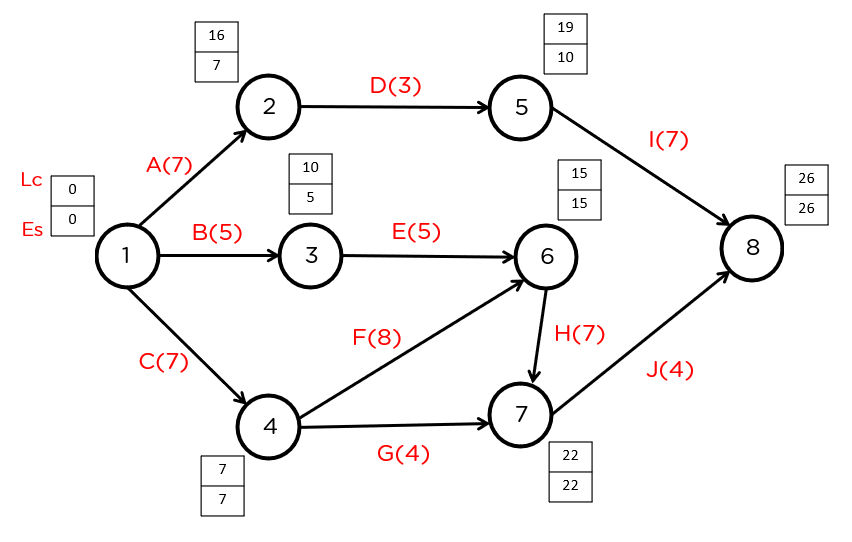
5.1. Critical Path Method (CPM):

Image Source: Indeed
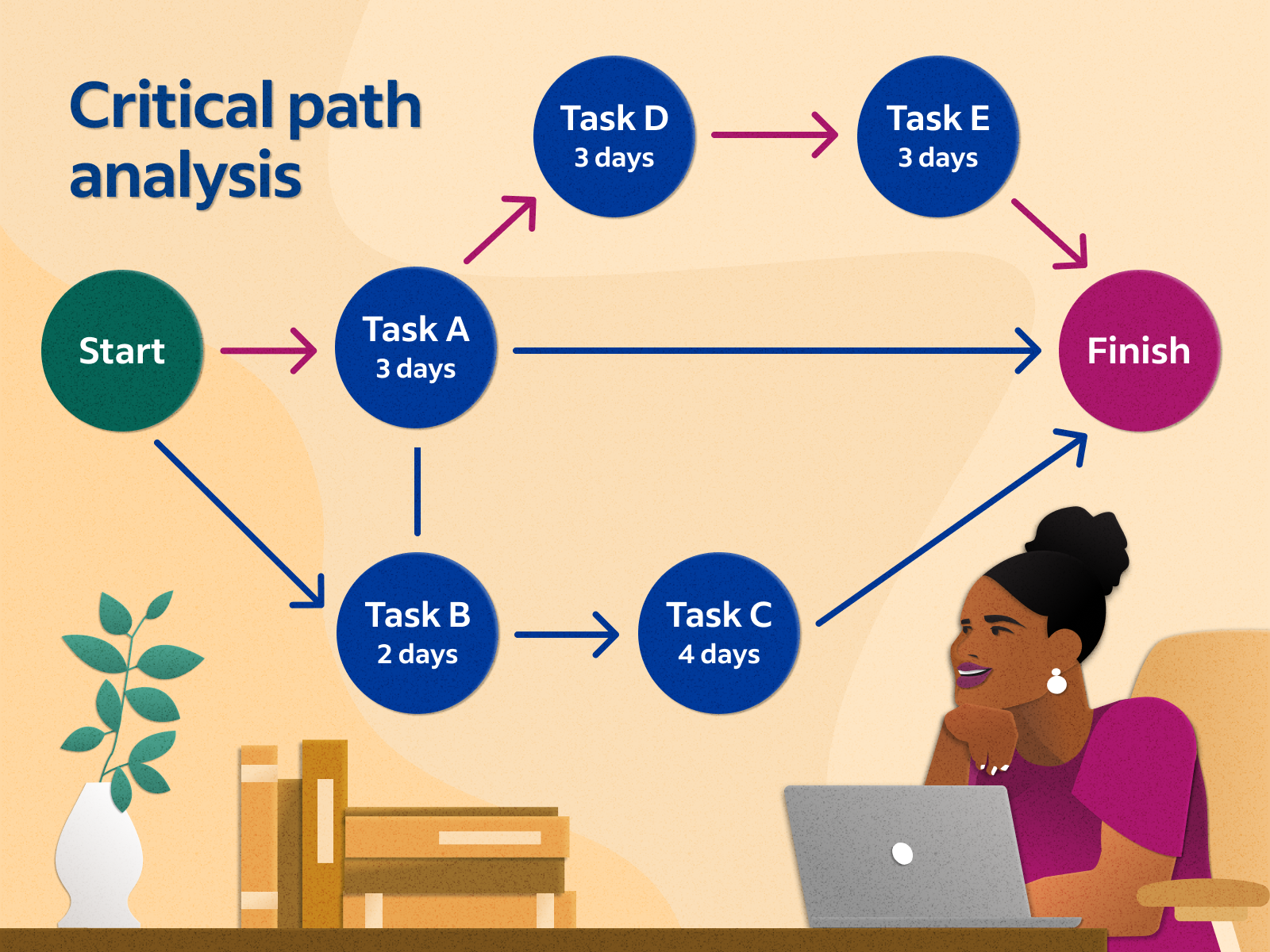
  • CPM entails identifying the critical path—a sequence of tasks that determine the shortest duration for project completion.
  • By analyzing the critical path, project managers can pinpoint tasks that are crucial for project success and allocate resources accordingly.
  • CPM serves as a foundational technique for forecasting project timelines, providing a roadmap for project execution.

5.2. PERT (Program Evaluation and Review Technique):

Image Source: simplilearn.com
  • PERT employs a probabilistic approach to estimate project durations, considering optimistic, pessimistic, and most likely time estimates for each task.
  • By calculating weighted averages based on these estimates, project managers obtain a comprehensive view of project timelines, accounting for uncertainties and risks.
  • PERT facilitates a nuanced understanding of project dynamics, enabling managers to make informed decisions to mitigate potential delays.

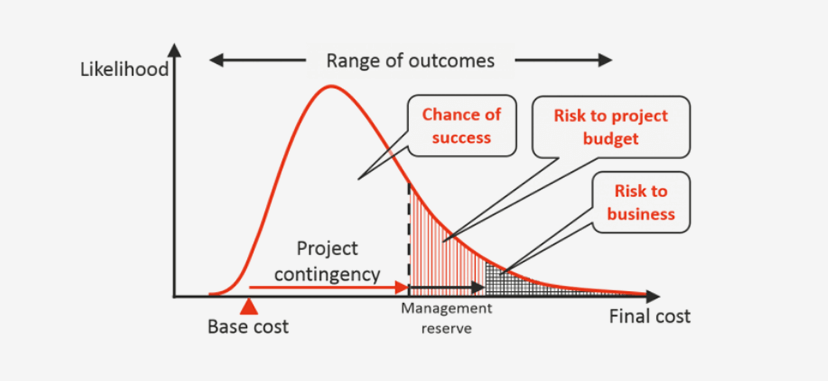
5.3. Monte Carlo Simulation:

Image Source: Bob Stanke
  • Monte Carlo Simulation leverages probability distributions to simulate various project scenarios and assess their impact on project timelines.
  • By iteratively running simulations based on input variables such as task durations, resource constraints, and external factors, project managers gain insights into the likelihood of meeting project deadlines.
  • Monte Carlo Simulation empowers managers to quantify project risks and devise contingency plans to address unforeseen challenges proactively.

6. Utilizing Historical Data for Accurate Forecasting:

Historical data serves as a treasure trove of insights for predicting future project timelines. By analyzing past project performances, project managers can discern patterns, identify potential bottlenecks, and refine forecasting models. Key considerations when leveraging historical data include:

  • Task Durations: Analyzing historical task durations provides valuable insights into the time required to complete similar tasks in future projects.
  • Resource Utilization: Examining resource allocation and utilization patterns enables managers to optimize resource allocation in future projects, enhancing operational efficiency.
  • External Factors: Historical data also sheds light on the impact of external factors such as weather conditions, regulatory changes, and supply chain disruptions on project timelines, enabling managers to factor in such variables during forecasting.

7. Importance of Flexibility in Time Management:

While forecasting project timelines is essential, project managers must also embrace flexibility in time management. Unforeseen events, changes in project scope, and evolving stakeholder requirements necessitate adaptability to ensure project success. Strategies for fostering flexibility include:

  • Contingency Planning: Allocating buffers in project schedules to accommodate unforeseen delays and mitigate risks.
  • Agile Methodologies: Embracing agile principles enables project teams to respond swiftly to changes, iterate on project deliverables, and deliver value incrementally.
  • Continuous Monitoring: Regular monitoring of project progress enables managers to detect deviations from the planned schedule early and take corrective actions promptly.

8. Critical Path: Measuring the Changes

The critical path is essential in construction project management, guiding teams toward timely completion by outlining key tasks that determine project duration. This section explores its nuances, significance, and strategies for maintaining project timelines amidst changes.

8.1. Identifying Critical Path Activities:

The critical path comprises a sequence of interdependent tasks that collectively determine the shortest duration for project completion. Identifying critical path activities involves:

  • Task Dependencies: Analyzing the dependencies between project tasks to identify the sequence of activities that directly impact project duration.
  • Duration Estimation: Estimating the duration of each task based on historical data, expert judgment, and resource constraints.
  • Forward and Backward Pass: Performing forward and backward pass calculations to determine the earliest start and finish times, as well as the latest start and finish times for each task.
  • Float Calculation: Calculating float or slack for non-critical path tasks to identify opportunities for schedule compression or resource optimization.

8.2. Monitoring Changes and Their Impact on Project Timeline:

Change is inevitable in construction projects, and managing changes effectively is paramount for preserving project timelines. Key considerations for monitoring changes and their impact on project timelines include:

  • Change Control Processes: Implementing robust change control processes to evaluate proposed changes, assess their impact on project scope, schedule, and budget, and make informed decisions.
  • Risk Assessment: Conducting risk assessments to anticipate potential changes and their implications on the critical path.
  • Regular Progress Updates: Maintaining regular communication and progress updates to monitor deviations from the planned schedule and take corrective actions promptly.
  • Mitigation Strategies: Developing mitigation strategies to address changes that impact the critical path, such as resource reallocation, schedule adjustments, and scope prioritization.

8.3. Adjusting Project Plan Based on Critical Path Analysis:

Adapting to changes necessitates adjustments to the project plan to ensure alignment with project objectives and timelines. Strategies for adjusting the project plan based on critical path analysis include:

  • Reevaluating Task Priorities: Reassessing task priorities based on their impact on the critical path and reallocating resources accordingly.
  • Fast-Tracking and Crashing: Exploring fast-tracking and crashing techniques to compress the project schedule by overlapping or expediting critical path activities.
  • Resource Optimization: Optimizing resource allocation to expedite critical path activities without compromising quality or safety.
  • Stakeholder Communication: Communicating changes to stakeholders and obtaining their buy-in for revised project timelines and deliverables.

9. Conclusion:

In conclusion, successful construction project management hinges on a seamless integration of personnel time management, strategic planning, and forecasting techniques. The foundation lies in prioritizing effective time management, which optimizes resources, minimizes delays, and ensures project success. By adopting planning strategies and utilizing project management tools, project managers can achieve efficient time management practices.

Forecasting emerges as a quintessential aspect of managing time on construction projects, enabling project managers to predict timelines with precision through techniques like the Critical Path Method, PERT, and Monte Carlo Simulation. Leveraging historical data further enhances the accuracy of forecasts, allowing managers to anticipate challenges and devise proactive strategies. Flexibility in time management is paramount, enabling project teams to adapt to changing circumstances and navigate uncertainties effectively.

Furthermore, the critical path serves as a guiding light, delineating the path towards timely project completion. Identifying critical path activities, monitoring changes, and embracing robust change control processes are essential for preserving project timelines amidst dynamic shifts. As construction projects evolve, vigilance, adaptability, and strategic decision-making remain indispensable for delivering outcomes that surpass expectations.

Together, these integrated components form a comprehensive approach to construction project management, ensuring projects progress smoothly and culminate in client satisfaction and project success.

10. Further Reads:

Scheduling Software

6 Models to Assess Requirements in Construction Project Resource Management