Project Management, Inventory Management, Resource Management
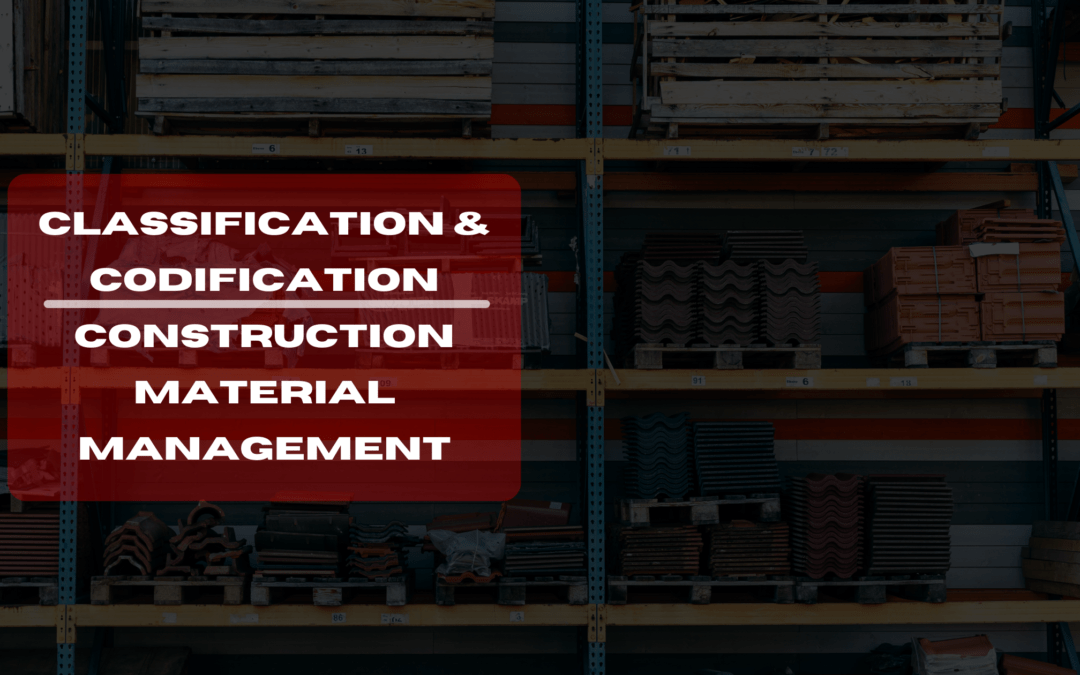
Classification and Codification in Construction Material Management
In the dynamic world of construction project management, effective material management is a cornerstone of success. Ensuring that the right materials are available at the right time is crucial for keeping projects on schedule and within budget. Two essential concepts that play a pivotal role in achieving this efficiency are “Classification” and “Codification” of materials. In this article, we will explore what these terms mean in the context of construction, why they matter, and how they contribute to the overall success of construction projects.
Understanding Classification of Materials
Defining Classification
Classification in construction refers to the systematic grouping and categorization of various materials based on shared characteristics. These characteristics can include the type of material, its intended usage, physical properties, or even its source of origin. The primary purpose of classification is to bring order to the diverse array of materials used in construction and make them more manageable.
The Purpose of Classification
The classification serves several important purposes in construction material management:
- Efficient Organization: By categorizing materials into distinct groups, it becomes easier to organize and store them. This leads to a more efficient use of storage space, reduced clutter, and improved accessibility.
- Streamlined Identification: When materials are classified, it’s simpler to identify and locate specific items, whether it’s on a job site or in a warehouse. This reduces the time spent searching for materials, contributing to improved productivity.
- Better Inventory Control: Classification helps construction companies keep track of the materials they have in stock. This enables accurate inventory management, preventing overstocking or running out of critical materials.
- Enhanced Decision-Making: With materials neatly classified, project managers and procurement teams can make more informed decisions about what materials to order, when to order them, and how much to order. This leads to cost savings and prevents wastage.
Example of Classification
Let’s consider a simplified example of classification in construction:
Classification: Structural Materials
- Subcategories:
- Steel
- Concrete
- Wood
Within the “Structural Materials” classification, each subcategory can be further divided based on factors such as material grades, dimensions, or types. For instance, under “Steel,” you might have subcategories like “Rebar,” “I-Beams,” and “Steel Plates.”
Demystifying Codification of Materials
Defining Codification
Codification complements classification by providing a unique identification code or alphanumeric identifier to each material item within a defined classification system. This system creates a standardized way of referencing and tracking materials, ensuring clarity and consistency.
The Purpose of Codification
Codification serves several critical purposes in construction material management:
- Standardization: By assigning codes to materials, construction companies standardize the terminology used across the organization. This minimizes confusion and ensures that everyone understands which materials are being referred to.
- Efficient Retrieval: Codification simplifies the process of retrieving materials. Workers can quickly locate materials based on their codes, reducing downtime and delays on the job site.
- Error Reduction: With standardized codes, the risk of errors in material identification and procurement decreases significantly. This leads to fewer mistakes, cost savings, and smoother project execution.
- Consistency in Documentation: When materials are codified, documentation becomes more consistent and reliable. This is especially important for record-keeping, quality control, and compliance purposes.
Example of Codification
To illustrate the concept of codification, let’s consider a hypothetical construction company’s system:
Codification System: [Material Type]-[Unique Identifier]
- Steel Beams: SB-001, SB-002, SB-003, …
- Concrete Blocks: CB-001, CB-002, CB-003, …
In this system, “SB” stands for “Steel Beam,” and “CB” represents “Concrete Block.” The unique identifier, such as “001,” distinguishes one specific material item from another within the same category. This ensures clarity and precision when referring to materials in various documents and communication.
Why Classification and Codification Matter in Construction Material Management
Efficient Inventory Management
One of the primary reasons why classification and codification are crucial in construction is efficient inventory management. These practices help construction companies maintain accurate records of materials in stock, their quantities, and their locations. When materials are well-organized and easy to identify, procurement and warehouse teams can work more effectively. This results in cost savings as materials are ordered only when needed, and overstocking is minimized.
Reduced Errors and Delays
Standardizing the way materials are categorized and referred to reduces the risk of errors in material identification and procurement. When workers can quickly locate the right materials based on standardized codes, there are fewer delays on job sites. This leads to projects staying on schedule and within budget, ultimately contributing to higher profitability.
Enhanced Productivity
Efficient material management, made possible by classification and codification, enhances productivity on construction projects. Workers spend less time searching for materials or waiting for them to arrive, allowing them to focus on their tasks. This can lead to shorter project durations, reduced labor costs, and improved profitability.
Better Decision-Making
With materials neatly classified and clearly codified, project managers and procurement teams can make more informed decisions. They have a clear overview of what materials are available, where they are, and when they are needed. This information empowers them to optimize procurement processes, negotiate better deals with suppliers, and prevent costly material shortages or overstocking.
A Relevant Quote
As management guru Peter Drucker once said:
“Efficiency is doing things right; effectiveness is doing the right things.”
In construction material management, efficiency is about organizing and accessing materials effectively, and that’s precisely what classification and codification help achieve.
Conclusion
In the fast-paced world of construction project management, every detail counts. Efficient material management can make the difference between a project’s success and failure. Classification and codification of materials may seem like technicalities, but they are the backbone of organized and streamlined construction material management.
By categorizing materials based on their characteristics and assigning standardized codes, construction companies can ensure that the right materials are in the right place at the right time. This results in cost savings, reduced errors, enhanced productivity, and ultimately, increased competitiveness and profitability.
In the construction industry, where margins are often tight, these seemingly simple practices can make a world of difference. So, the next time you see materials neatly organized and identified on a construction site, you’ll know that it’s not just about tidiness; it’s about the efficient, effective management that keeps construction projects on track and successful.
Project Management, Resource Management
Factors Influencing the Planning and Selection of Construction Equipment
In the world of construction, the construction equipment selection can make or break a project. It’s like selecting the right tools for an intricate job; precision matters. The planning and selection of construction equipment is a complex task that involves numerous considerations. In this article, we will unravel the various factors that influence this decision-making process.
The Critical Role of Construction Equipment
Before we dive into the factors influencing equipment selection, it’s important to understand the significance of construction equipment in any project. Construction equipment is the muscle behind the vision. From bulldozers reshaping landscapes to cranes hoisting materials to great heights, these machines are the heartbeat of construction.
“Good fortune is what happens when opportunity meets with planning.” – Thomas Edison
Factors Influencing Equipment Selection
1. Project Scope and Requirements
The foundation of equipment selection is understanding the project’s unique demands:
- Project Size: The scale of the project, whether it’s a small-scale residential construction or a massive infrastructure endeavor, determines the types and sizes of equipment needed.
- Complexity: Complex projects may require specialized equipment or attachments to tackle unique challenges.
- Duration: The project timeline influences the choice between buying, leasing, or renting equipment.
2. Budget Constraints
Financial considerations play a pivotal role:
- Capital vs. Operational Costs: Balancing the initial acquisition cost with ongoing operational and maintenance expenses is essential.
- Financing Options: Exploring financing options such as equipment leasing can help manage upfront costs.
3. Equipment Availability and Lead Time
Equipment availability and lead time are crucial:
- Market Availability: The region’s equipment market availability can impact selection.
- Lead Time: Some specialized equipment may have longer lead times for procurement, which must align with project schedules.
4. Operational Efficiency and Productivity
Efficiency is key to project success:
- Fuel Efficiency: Fuel consumption impacts operational costs and environmental considerations.
- Productivity Features: Considering equipment features that enhance productivity, such as automation or advanced technology.
Understanding equipment capabilities and specifications is vital:
- Equipment Type: Choosing the right type of equipment for the task, whether it’s earthmoving, material handling, or specialized machinery.
- Capacity and Power: Ensuring the equipment can handle the required loads and tasks efficiently.
6. Maintenance and Serviceability
Maintenance requirements and serviceability are essential for long-term cost management:
- Maintenance Needs: Assessing the maintenance needs and availability of service providers.
- Spare Parts Availability: Evaluating the availability and cost of spare parts.
7. Environmental and Regulatory Compliance
Meeting environmental and regulatory standards is non-negotiable:
- Emissions: Considering emissions standards and environmental impact when selecting equipment.
- Safety Features: Ensuring equipment complies with safety regulations to protect workers.
8. Site Conditions and Accessibility
Site-specific conditions influence equipment selection:
- Terrain: Evaluating the type of terrain and ground conditions where the equipment will operate.
- Accessibility: Assessing how easily equipment can access and maneuver within the construction site.
9. Resale Value and Depreciation
The long-term financial implications of equipment ownership:
- Resale Value: Assessing the potential resale value of equipment at the end of its useful life.
- Depreciation: Considering the rate of depreciation and its impact on the project’s financials.
10. Project Timeline and Deadlines
Meeting project milestones and deadlines is critical:
- Equipment Delivery: Ensuring that equipment delivery aligns with project schedules.
- Backup Plans: Having contingency plans in place for equipment breakdowns or delays.
11. Safety and Risk Management
Prioritizing safety to minimize risks:
- Safety Records: Evaluating the safety records and history of equipment models and manufacturers.
- Risk Assessment: Performing risk assessments to identify potential hazards associated with equipment use.
12. Operator Skill and Training
The skill level of equipment operators is crucial:
- Operator Training: Ensuring that operators are trained and certified to operate specific equipment safely and efficiently.
13. Technology Integration
Technology is increasingly integrated into construction equipment:
- Telematics: Exploring equipment with telematics systems for real-time monitoring and data collection.
- Automation: Considering equipment with automation features for improved accuracy and efficiency.
14. Supplier and Manufacturer Reputation
The reputation of suppliers and manufacturers matters:
- Reliability: Choosing reputable suppliers known for reliable equipment.
- Support: Ensuring the supplier offers adequate support and warranty options.
Conclusion
In the realm of construction, the planning and selection of equipment is akin to assembling a well-orchestrated symphony. Each factor, from project requirements to budget constraints and environmental considerations, plays a unique role in this orchestration. A well-thought-out equipment selection process is a testament to project success, where the right equipment, used efficiently, can turn construction dreams into reality.
Understanding and navigating these influencing factors is essential for both budding construction professionals and seasoned experts in the field. In the end, it’s the harmonious interplay of these factors that ensures that construction projects rise, quite literally, to new heights.
Remember, it’s not just equipment; it’s a carefully calculated choice that brings construction visions to life.
Project Management, Resource Management
Understanding Construction Equipment Management
In the world of construction, where projects soar to great heights and stretch across vast landscapes, the backbone of success lies in the careful management of construction equipment. Whether it’s towering cranes on a skyline or earthmovers shaping the terrain, efficient handling of these mechanical workhorses is indispensable. This article aims to provide a comprehensive understanding of Construction Equipment Management, a critical facet of construction project success.
The Foundation: What is Construction Equipment Management?
Construction Equipment Management is the art and science of strategically planning, acquiring, operating, maintaining, and disposing of construction equipment. It involves a meticulous approach to ensure that the right equipment is in the right place at the right time, in optimal condition, and used efficiently throughout the construction project’s lifecycle.
Key Components of Construction Equipment Management
- Equipment Selection and Procurement:
- Needs Assessment: Identifying the specific equipment required for the project based on project scope, size, and complexity.
- Procurement: Acquiring equipment through purchase, lease, or rental, considering factors like cost, availability, and project duration.
- Asset Allocation and Utilization:
- Optimal Allocation: Ensuring that equipment is assigned to tasks where it can be most productive, minimizing downtime and idle resources.
- Utilization Monitoring: Tracking equipment usage, fuel consumption, and operator efficiency to identify areas for improvement.
- Preventive Maintenance:
- Scheduled Inspections: Implementing a routine maintenance schedule to inspect and maintain equipment, preventing breakdowns and extending lifespan.
- Repairs and Servicing: Timely repairs and servicing to address wear and tear, ensuring safe and efficient operation.
- Safety and Compliance:
- Safety Standards: Enforcing safety protocols and ensuring equipment complies with safety regulations to protect workers and avoid accidents.
- Environmental Compliance: Adhering to environmental standards, including emissions control and waste disposal.
- Asset Tracking and Documentation:
- Record Keeping: Maintaining detailed records of equipment maintenance, repairs, usage, and costs for accountability and decision-making.
- Asset Tracking Systems: Using technology like GPS and RFID to track equipment location and performance in real-time.
- Replacement and Disposal Strategies:
- Lifecycle Analysis: Determining the optimal time for equipment replacement or upgrades based on factors like maintenance costs and depreciation.
- Disposal: Managing the retirement or sale of equipment in an environmentally responsible manner.
- Budgeting and Cost Control:
- Budget Planning: Developing equipment budgets that include acquisition, operation, maintenance, and disposal costs.
- Cost Monitoring: Regularly reviewing and controlling equipment-related expenses to ensure projects stay within budget.
The Significance of Construction Equipment Management
Now that we’ve outlined the key components, let’s delve into why Construction Equipment Management is crucial:
1. Enhanced Efficiency:
Efficient equipment management reduces downtime, ensuring that construction projects progress according to schedule. When the right equipment is readily available and well-maintained, project timelines are met, and delays are minimized.
2. Cost Savings:
Effective maintenance practices and optimized equipment allocation result in cost savings. Preventing breakdowns and addressing issues promptly reduces repair costs and enhances fuel efficiency, contributing to the project’s financial health.
3. Safety First:
Construction sites are inherently hazardous, and equipment-related accidents can be devastating. Adhering to safety standards and conducting regular equipment inspections ensures a safer work environment and minimizes accidents.
4. Resource Optimization:
Proper equipment allocation ensures that resources are used efficiently. Idle equipment represents wasted resources, and Construction Equipment Management helps maximize resource utilization.
5. Project Success:
Efficient equipment management directly impacts project success. It contributes to meeting deadlines, maintaining quality standards, and ultimately delivering a successful construction project.
The Role of Construction Equipment Management in the Industry
Construction Equipment Management plays a pivotal role in the construction industry. It’s not a standalone function but rather an integral part of construction project management. Construction managers, equipment managers, and project teams collaborate to ensure that equipment is procured, operated, and maintained efficiently to meet project goals.
Conclusion
In the dynamic world of construction, where every project presents unique challenges, Construction Equipment Management is the key to success. It’s the invisible force behind the scenes, ensuring that construction equipment operates like a well-oiled machine. Understanding the intricacies of equipment management is essential for students pursuing a Master’s in Architecture or professionals in Construction Project Management. It equips them with the knowledge and skills needed to make informed decisions about equipment selection, operation, and maintenance, ultimately contributing to the success of construction projects.
In summary, Construction Equipment Management is the linchpin that keeps the construction industry moving forward. It’s the bridge between vision and reality, ensuring that projects are not just built but built efficiently, safely, and within budget.
Project Management, Finance Management, Resource Management
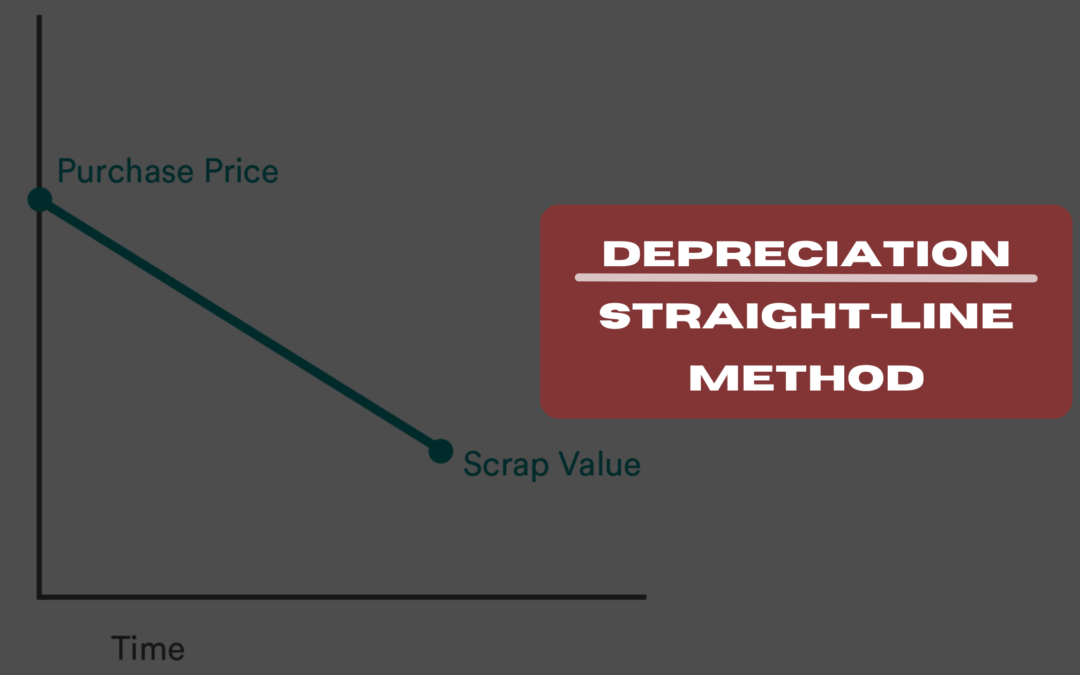
The Straight-Line Method of Depreciation
In the realm of accounting and asset management, depreciation is a concept that plays a pivotal role, particularly in industries like construction. Among the various methods used to calculate depreciation, the Straight-Line Method stands out as one of the simplest yet most widely employed. In this article, we will explore what the Straight-Line Method of depreciation is, how it works, and why it matters in the context of construction and other industries.
Understanding Depreciation
Before delving into the specifics of the Straight-Line Method, let’s grasp the essence of depreciation itself. Depreciation is the process of allocating the cost of a tangible asset over its useful life. In simpler terms, it’s a way of accounting for the wear and tear, obsolescence, and aging that assets undergo as they are used in a business.
Depreciation serves two essential purposes:
- Financial Reporting: Depreciation expenses are recorded on a company’s income statement, reflecting the reduction in the asset’s value over time. This is crucial for accurate financial reporting and tax compliance.
- Asset Replacement Planning: Depreciation helps businesses plan for the eventual replacement or upgrade of assets. By understanding how much an asset has depreciated, a company can budget for its replacement when the time comes.
The Straight-Line Method Demystified
The Straight-Line Method is a depreciation technique that evenly spreads the cost of an asset over its estimated useful life. Here’s how it works:
Formula:
[Depreciation = \frac{Cost of Asset – Salvage Value}{Useful Life}]
- Cost of Asset: The initial cost of the asset, including any expenses related to its acquisition, such as delivery and installation.
- Salvage Value: The estimated residual value of the asset at the end of its useful life. This is the amount the asset is expected to be worth when it’s no longer in use.
- Useful Life: The anticipated number of years or units of production during which the asset will be used by the business.
An Example in Practice
Let’s consider a practical example to illustrate the Straight-Line Method.
Imagine a construction company in India purchases a heavy-duty crane for ₹10,00,000. They estimate that the crane will have a useful life of 10 years and expect to sell it as scrap for ₹1,00,000 when it reaches the end of its operational life.
Using the Straight-Line Method, the annual depreciation for the crane can be calculated as follows:
[Depreciation = \frac{Cost of Asset – Salvage Value}{Useful Life}]
[Depreciation = \frac{₹10,00,000 – ₹1,00,000}{10}]
[Depreciation = \frac{₹9,00,000}{10}]
[Depreciation = ₹90,000 per year]
So, according to the Straight-Line Method, the company will record ₹90,000 as depreciation expense on their financial statements for the crane each year.
Why the Straight-Line Method Matters
The Straight-Line Method is favored by businesses for several reasons:
- Simplicity: It’s easy to understand and calculate, making it accessible even for small businesses and individuals.
- Consistency: The depreciation expense remains the same each year, simplifying financial planning and budgeting.
- Equitable: It evenly spreads the cost of the asset’s use over its life, making it a fair method for allocating expenses.
However, it’s important to note that while the Straight-Line Method is straightforward, it may not always reflect the actual pattern of an asset’s depreciation. Some assets may lose value more rapidly in the earlier years, while others may have a more uneven pattern. In such cases, alternative depreciation methods like the Declining Balance Method may be more appropriate.
In conclusion, the Straight-Line Method of depreciation is a fundamental accounting approach used to allocate the cost of an asset evenly over its useful life. It provides a clear and consistent way to account for an asset’s decreasing value and is widely used in construction equipment management and financial reporting. Understanding depreciation and its various methods is essential for businesses to make informed financial decisions and plan for the future.
Resource Management, Finance Management, Project Management
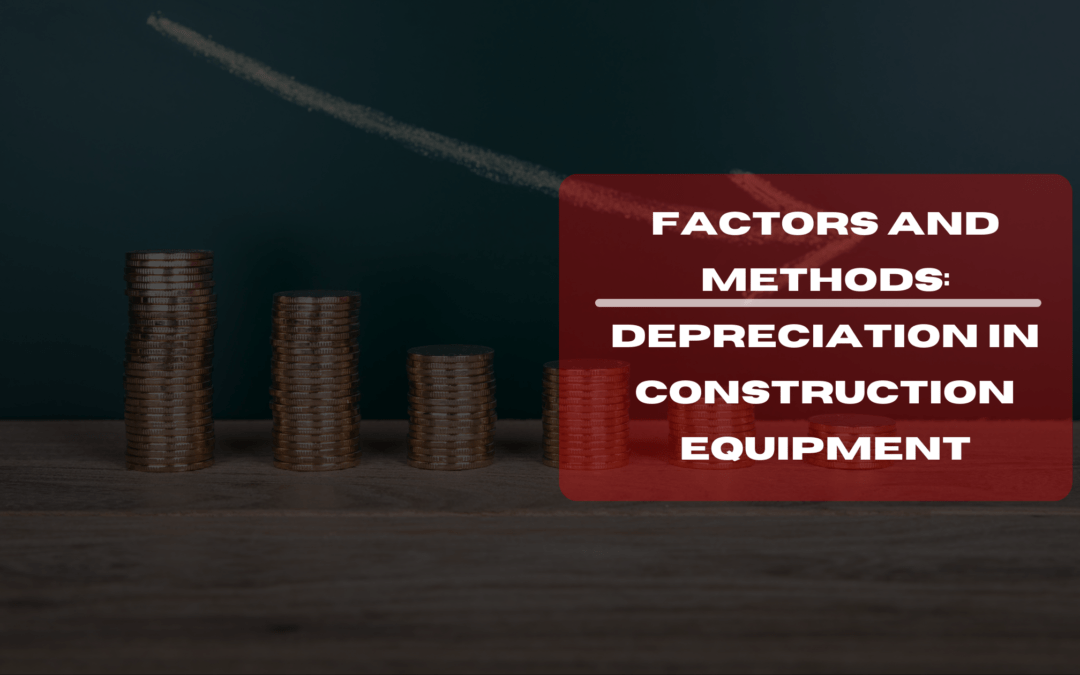
Factors and Methods of Depreciation in Construction Equipment
In the world of construction, equipment is the unsung hero, powering the creation of infrastructure, buildings, and landmarks. However, as these mighty machines perform their duties day in and day out, they undergo a natural process known as depreciation. Depreciation is a crucial concept in construction equipment management and financial accounting, affecting a company’s balance sheet and decision-making processes. In this article, we will delve into the intricacies of depreciation, exploring what it is, why it happens, and the different methods used to calculate it.
Defining Depreciation
Depreciation refers to the gradual decrease in the value of an asset over its useful life. In the context of construction equipment, it represents the diminishing worth of machinery as it experiences wear and tear, obsolescence, and the passage of time. Depreciation is an accounting method used to accurately reflect an asset’s declining value on a company’s financial statements.
The Factors Behind Equipment Depreciation
Several factors contribute to the depreciation of construction equipment. Understanding these factors is essential for effective equipment management:
1. Physical Wear and Tear
Why it matters: Construction equipment operates in demanding environments, often exposed to heavy loads, vibrations, and harsh weather conditions. The physical wear and tear resulting from these conditions lead to a gradual deterioration of equipment components, affecting its performance and value.
Takeaway: Regular maintenance and inspections are crucial to mitigate the effects of wear and tear and extend equipment lifespan.
2. Technological Obsolescence
Why it matters: The construction industry continually evolves with advancements in technology. Newer equipment models often come with improved efficiency, safety features, and environmental compliance. As technology progresses, older equipment may become outdated and less competitive.
Takeaway: Staying updated with technological advancements and periodically assessing equipment for obsolescence can help in managing depreciation.
3. Market Demand and Supply
Why it matters: The resale value of used construction equipment is influenced by market dynamics. Oversupply of specific equipment types or reduced demand can lead to lower prices in the resale market, contributing to depreciation.
Takeaway: Keeping an eye on market trends and demand for specific equipment can aid in decision-making regarding equipment acquisition and disposal.
4. Maintenance Costs
Why it matters: Neglecting maintenance or failing to address issues promptly can result in higher repair costs. Inadequate maintenance practices can lead to more extensive damage, accelerating depreciation.
Takeaway: Implementing a proactive maintenance schedule can help control costs and minimize the impact of depreciation.
5. Usage Intensity
Why it matters: Equipment subjected to heavy and continuous use is more likely to experience faster depreciation. High usage leads to increased wear on critical components, shortening their lifespan.
Takeaway: Monitoring equipment usage patterns and ensuring that equipment is allocated efficiently can help extend its lifespan.
6. Equipment Age
Why it matters: Older equipment tends to depreciate faster than newer models. The wear and tear accumulated over the years, combined with the lack of modern features, contribute to reduced value.
Takeaway: Assessing equipment age and planning for timely replacements or upgrades is essential for managing depreciation.
Different Methods for Calculating Depreciation
Several methods are used to calculate depreciation, each with its own advantages and implications. Here are some common depreciation calculation methods:
1. Straight-Line Depreciation
How it works: This method spreads the depreciation expense evenly over the asset’s useful life. It is simple to calculate and provides a steady and predictable expense pattern.
Use case: Straight-line depreciation is suitable for assets with a relatively uniform rate of wear and tear.
2. Declining Balance Depreciation
How it works: Declining balance depreciation applies a higher depreciation expense in the early years of an asset’s life. It reflects the higher maintenance and repair costs typically associated with older equipment.
Use case: This method is suitable when equipment tends to require more maintenance as it ages.
3. Units of Production Depreciation
How it works: Depreciation is calculated based on the actual usage or production output of the equipment. The more the equipment is used, the higher the depreciation expense.
Use case: Units of production depreciation is ideal for equipment where usage varies significantly.
4. Sum-of-the-Years-Digits Depreciation
How it works: This method accelerates depreciation by assigning higher expenses in the earlier years of an asset’s life. It provides a middle ground between straight-line and declining balance depreciation.
Use case: Sum-of-the-years-digits depreciation suits assets that experience moderate wear and tear.
5. Double Declining Balance Depreciation
How it works: A variation of declining balance depreciation, this method doubles the rate of depreciation in comparison to the declining balance method.
Use case: It is used for assets that experience rapid wear and tear, especially in their early years.
6. MACRS (Modified Accelerated Cost Recovery System)
How it works: MACRS is a tax-related depreciation method used in the United States. It assigns specific depreciation rates based on asset types and their useful lives.
Use case: MACRS is primarily used for tax purposes and is specific to U.S. tax regulations.
In Conclusion
Depreciation is an inherent aspect of owning and managing construction equipment. It accounts for the natural wear and tear, technological advancements, and market fluctuations that equipment undergoes over time. By understanding the factors contributing to depreciation and selecting appropriate depreciation calculation methods, construction professionals can make informed decisions about equipment acquisition, maintenance, and replacement.
Effective depreciation management not only ensures accurate financial reporting but also contributes to efficient equipment utilization and cost control in the construction industry. In this ever-evolving field, staying informed and proactive is the key to maximizing the value and longevity of construction equipment.
“The best way to predict your future is to create it.” – Abraham Lincoln
Investing in proper equipment management and depreciation strategies is how construction professionals shape a successful future in this dynamic industry.