Project Management, Construction Project Management
What is Lean Construction in Project Management?
In an era of ever-evolving industries, construction stands at a crucial juncture. Challenges such as dwindling productivity and escalating costs on substantial projects cast shadows that even the most experienced professionals find challenging to navigate. However, within these challenges lies an opportunity for transformation. As a pioneering thought leader in the construction project management domain, you hold the key to revolutionizing the industry. This article sets forth an innovative approach that not only addresses these challenges but propels the industry forward – "Lean Construction."
The Construction Conundrum: Navigating Challenges for Success
The complexities of the construction industry are manifold. Construction project management aspirants and professionals encounter productivity declines and cost overruns that not only impede project timelines but also have far-reaching financial implications. The industry's landscape is evolving, demanding novel approaches that reimagine conventional practices and drive efficiency and triumph. As a visionary professional, it's crucial to seek fresh perspectives that offer holistic solutions.
Lean Construction: A Glimpse of the Manufacturing Paradigm
At the heart of the "Lean Construction" paradigm lies an amalgamation of principles that have spearheaded profound transformations in the manufacturing sector. The bridge between construction and manufacturing offers a blueprint to revolutionize project management. Imagine an approach that systematically reduces waste, maximizes efficiency, and fuels a culture of continuous improvement. The construction industry, long poised for innovation, is primed for such a game-changing transformation.
As an aspirant or seasoned professional in construction project management, embracing the principles of Lean Construction can offer a remarkable edge in navigating the industry's challenges. Here's a comprehensive look at the fundamental tenets of this visionary approach:
1. Collaborative Synergy: Elevating the Owner-Contractor Connection
Effective collaboration is the cornerstone of project success. Lean Construction emphasizes a renewed focus on strengthening interactions between project owners and contractors. This translates to fostering open lines of communication, shared perspectives, and a collective alignment of goals. For construction project management aspirants, cultivating this collaborative synergy could be the linchpin that steers projects toward triumph.
In the era of data-driven decision-making, a robust performance management system is non-negotiable. Lean Construction advocates for a comprehensive system that meticulously tracks and evaluates project progress. This real-time insight empowers project managers to identify potential bottlenecks and inefficiencies at their nascent stages, enabling proactive course correction. For construction professionals, embracing this tool equates to mastering the art of staying on course and on schedule.
3. Cultivating Expertise: Nurturing Skills for Unparalleled Excellence
The bedrock of any industry is its workforce. Lean Construction acknowledges the pivotal role of skilled professionals. As you journey through the realm of construction project management, continuous learning and skills enhancement become your compass to success. The industry demands professionals who can not only navigate challenges but also drive innovation and adapt to dynamic scenarios. Investing in your skills is an investment in becoming a trailblazer who's ready to redefine the future.
The Path to Excellence: Techniques for Triumph
Theory alone doesn't shape industries; it's the actionable techniques that drive change. Lean Construction equips construction project management enthusiasts with an arsenal of strategies to transform theory into reality:
- The Last Planner System: This ingenious technique amplifies project planning and execution. It fosters collaboration by involving various stakeholders in the planning process, resulting in a comprehensive and pragmatic project roadmap. For those passionate about construction project management, the Last Planner System is akin to wielding a powerful instrument for guaranteed project success.
- Mastery of Yard Excellence: Although not elaborated in the summary, "yard excellence" likely refers to optimizing material handling and storage processes. This optimization is a pivotal component in the wheel of seamless project execution and waste reduction. Visualize overseeing projects where every material movement is orchestrated with meticulous precision.
Leading the Charge: Your Role as a Visionary
As you embark on your journey in construction project management, picture yourself as a visionary thought leader steering the industry's trajectory. The principles of Lean Construction aren't merely solutions to existing challenges; they provide a roadmap to a future where construction projects are synonymous with efficiency, collaboration, and success. Stay attuned to evolving techniques and remember the words of wisdom:
"In the realm of construction, evolution is the benchmark of excellence."
Position yourself among the professionals who embrace evolution, innovation, and lean principles to forge a construction landscape defined by expertise and leadership.
Ready to delve deeper into the world of Lean Construction? Immerse yourself in the original article for an in-depth exploration of this transformative approach: Lean Construction: McKinsey Insights.
As you set forth on this transformative journey, remember that the construction industry is at a crossroads of change. Lean Construction isn't a mere methodology; it's a revolution that beckons you to lead the industry toward a future where challenges are met with innovation, collaboration is paramount, and success is the ultimate destination. Your path as a construction project management professional is paved with possibilities – it's time to seize them.
Project Management, Construction Project Management
Increasing Transparency in Construction Project Management: A Blueprint for Success
As the construction industry continues to evolve, the challenges associated with delivering capital projects on time and within budget have become more complex than ever before. This article delves into the crux of these challenges, shedding light on the paramount importance of transparency in the execution of construction projects. If you're a construction project management aspirant or a seasoned professional, this comprehensive guide offers invaluable insights into the strategies that can elevate your project management prowess.
Understanding the Transparency Imperative
The cornerstone of effective construction project management lies in transparency. The ability to have a clear and unobstructed view of project performance, resource allocation, and progress is not just a desirable attribute; it's an absolute necessity. The lack of transparency often arises from a myriad of reporting issues, including segmented data, non-standardized reporting forms, and, perhaps most concerning, inaccuracies in project information.
The Reporting Quagmire
One of the major roadblocks to transparency is the presence of siloed data. In construction projects, data is generated from various sources, departments, and teams. Unfortunately, these data sources often operate independently, leading to fragmented insights. This fragmented data landscape hampers the ability to gauge project health accurately and make informed decisions.
Another challenge arises from the absence of standardized reporting forms. When project stakeholders adopt different reporting formats, it creates confusion and delays in data analysis. This lack of consistency not only slows down the decision-making process but also makes it difficult to compare and evaluate different projects effectively.
Moreover, the presence of inaccurate information within project reports can severely skew decision-making. Inaccuracies could stem from manual data entry errors, miscommunications, or even intentional misreporting. Such inaccuracies can lead to misguided resource allocation, unrealistic timelines, and ultimately, project failure.
To tackle the transparency conundrum head-on, construction organizations must channel their efforts into three distinct areas. These pillars, when combined, form a robust foundation for elevating project management practices and enabling data-driven decision-making.
1. Leveraging Technological Solutions
In the digital age, technology is the ultimate game-changer. Organizations need to embrace innovative technical solutions that facilitate the seamless capture and analysis of project data. Cutting-edge tools and software platforms can centralize data from various sources, offering real-time insights into project performance.
Imagine a scenario where data from site progress reports, cost estimations, and resource allocation are harmoniously integrated into a single dashboard. This not only enhances data accuracy but also empowers project managers to identify trends, anticipate bottlenecks, and make proactive decisions.
Technology alone isn't sufficient to drive transparency; it must be complemented by streamlined project performance management processes. By establishing clear guidelines for data collection, reporting, and analysis, organizations can eliminate the chaos caused by non-standardized reporting forms.
Integrating project management methodologies, such as Agile or Lean, can provide a structured framework for managing projects effectively. Additionally, fostering an environment of open communication and collaboration among cross-functional teams can ensure that project updates and insights are shared in a timely and coherent manner.
3. Empowering Stakeholders for Success
The third pillar involves a strategic focus on enhancing the capabilities, mindsets, and behaviors of project stakeholders. Professional development programs, workshops, and training sessions can equip team members with the necessary skills to navigate the data-driven landscape of modern construction project management.
In this context, fostering a data-driven mindset becomes pivotal. Encouraging stakeholders to base their decisions on concrete insights rather than gut feelings can transform the trajectory of a project. Furthermore, promoting a culture of accountability ensures that stakeholders take ownership of their roles in ensuring transparency and project success.
In the interconnected world of construction project management, the three pillars—technological solutions, fortified processes, and empowered stakeholders—operate in synergy to bring about a holistic transformation. Transparent project execution isn't just a goal; it's a strategic imperative that can reshape the industry's landscape.
The benefits of transparency extend far beyond on-time project delivery and staying within budget constraints. It enables construction professionals to detect deviations from the plan early on, allocate resources judiciously, and mitigate risks proactively. The ability to make informed decisions based on accurate data translates into a competitive advantage in an industry where efficiency and precision are paramount.
Conclusion
As construction project management transcends into the digital age, the need for transparency stands as an unwavering pillar of success. The challenges posed by fragmented data, reporting discrepancies, and a lack of standardized practices can be surmounted through a purposeful amalgamation of technological advancements, process enhancements, and stakeholder empowerment.
To delve deeper into this transformative approach to construction project management, refer to the original article by McKinsey titled "Increasing Transparency in Megaproject Execution". This illuminating piece offers a deep dive into the strategies and insights that can propel you towards construction project management excellence.
In a world where construction projects are becoming increasingly intricate, transparency isn't just an aspiration—it's the bedrock upon which construction success is built.
Uncategorized
Methodologies Shaping the Landscape of International Project Management
In the first part of this blog, we embarked on a journey into the realm of International Project Management (IPM), uncovering its origins, challenges, and key analytical tools. Now, in the second part of our exploration, we delve deeper into the methodologies that are instrumental in shaping the landscape of IPM, providing project managers with the strategies they need to navigate the complexities of global collaboration.
Evolution of Strategies in International Project Management
The evolution of methodologies in IPM reflects the need for adaptability in the face of diverse cultures, regulatory environments, and market dynamics. While traditional project management methodologies lay the foundation, a range of specialized approaches has emerged to cater to the intricacies of international projects.
Cultural Adaptation Methodology
One of the cornerstones of successful IPM is the Cultural Adaptation Methodology. This approach recognizes that projects operating on an international scale need to integrate local customs and practices to create a harmonious environment. This means that project managers must not only be proficient in project management techniques but also be adept at cross-cultural communication and negotiation.
For instance, when overseeing a construction project in a foreign country, understanding the local construction practices, legal regulations, and workforce dynamics becomes paramount. Adapting the project plan to align with these factors can lead to smoother execution and enhanced collaboration.
Glocalization Approach
The term "glocalization" embodies the fusion of "global" and "local." In IPM, the glocalization approach entails tailoring project strategies to align with both global objectives and local needs. This approach recognizes that a one-size-fits-all solution does not suffice in international projects, as different regions often have distinct preferences and requirements.
Imagine a software development project aimed at catering to a diverse global market. The glocalization approach would involve developing a core software product while allowing for customizations based on regional preferences, languages, and cultural sensitivities. This not only enhances market penetration but also demonstrates respect for local norms.
Integrated Cross-Cultural Communication
In the realm of IPM, communication transcends mere information exchange—it becomes a strategic tool for fostering collaboration and mitigating conflicts. Integrated Cross-Cultural Communication is a methodology that emphasizes the proactive management of cross-cultural communication challenges.
This methodology encourages project managers to be mindful of communication styles, non-verbal cues, and even time zone differences. By embracing communication techniques that resonate with different cultures, project managers can establish rapport, bridge gaps, and create an environment of mutual understanding. This can greatly enhance team cohesion and reduce the risk of misunderstandings.
Dynamic Risk Management
Risk management takes on a unique flavor in IPM, where risks can emerge from a myriad of sources, including cultural misunderstandings, regulatory changes, and geopolitical shifts. The Dynamic Risk Management methodology acknowledges that the risk landscape is in a constant state of flux and requires continuous vigilance.
Incorporating this methodology involves not only identifying potential risks but also developing strategies to monitor, mitigate, and adapt to evolving risk scenarios. Project managers must cultivate a keen sense of foresight, leveraging scenario planning and contingency strategies to tackle uncertainties that span international boundaries.
Conclusion
As the world continues to shrink due to globalization, International Project Management emerges as a realm that demands innovation, adaptability, and a nuanced understanding of global dynamics. The methodologies discussed in this article represent the culmination of years of experience, insights, and experimentation.
In the intricate dance of international collaboration, project managers serve as orchestrators, guiding diverse teams towards shared objectives. Whether it's embracing cultural diversity, customizing strategies for local markets, mastering cross-cultural communication, or navigating a dynamic risk landscape, IPM practitioners stand as stewards of effective global projects.
As we conclude this two-part exploration, remember that International Project Management is more than a mere discipline—it's a dynamic journey that challenges conventional wisdom and rewards those who dare to venture beyond borders. For a comprehensive understanding of IPM, don't miss out on the insights shared in this article: What is International Project Management?
Stay vigilant, stay adaptable, and embrace the transformative power of International Project Management. Your journey has only just begun.
For Part 1 of this Article Please refer here: Comprehensive Overview of International Project Management: Part - 1
Project Management, International Project Management
In the dynamic world of project management, the realm of International Project Management (IPM) stands as a crucial and intriguing area of study. Often overlooked amid the hustle and bustle of conventional project management, IPM presents a unique set of challenges and opportunities that require a distinctive approach. This blog delves into the multifaceted aspects of IPM, uncovering its lesser-known dimensions and shedding light on the nuances that set it apart from traditional project management methodologies.
Understanding the Origins of International Project Management
IPM traces its origins back to the relentless process of globalization, which has redefined how businesses operate and collaborate on a global scale. Unlike its domestic counterpart, international project management involves orchestrating projects that span across geographical boundaries and encompass diverse cultures, languages, and regulatory frameworks.
While project management, in general, emphasizes meticulous planning, efficient resource allocation, and meticulous execution, IPM amplifies these demands by introducing complexities associated with multinational teams, varying legal systems, and socio-cultural differences. The intricacies of IPM highlight the significance of understanding not just project management principles but also cross-cultural communication and adaptability.
Embracing the Challenges
The crux of IPM's unique identity lies in the challenges it presents. As teams from diverse backgrounds converge to work towards a common goal, navigating through cultural differences becomes paramount. The familiar methodologies of project management must be complemented with an acute awareness of cultural nuances, communication preferences, and work ethics.
This is where models such as Hofstede’s Cultural Dimensions and Trompenaars Cultural Dimensions come into play. These frameworks offer insights into how cultures perceive authority, risk-taking, and collaboration. By understanding these dimensions, project managers can tailor their strategies to foster a collaborative and harmonious work environment.
Analyzing the Landscape
A critical tool in the arsenal of an IPM practitioner is the PESTEL Analysis Technique. This analytical framework assesses the external macro-environmental factors that can impact a project's success. It delves into the Political, Economic, Social, Technological, Environmental, and Legal factors that might shape the project's trajectory.
For instance, when embarking on an international construction project, factors like local regulatory policies, economic stability, and environmental regulations can significantly influence the project's feasibility and execution. The PESTEL analysis acts as a compass, guiding project managers through a complex maze of external forces.
Evolution of Methodologies
The methodologies employed in IPM have evolved over time to accommodate the changing dynamics of international business. Traditional project management methodologies like Waterfall and Agile have been tailored and augmented to suit the demands of global projects.
For instance, Agile methodologies have gained prominence in IPM due to their flexibility and iterative approach. They empower teams to adapt to changes swiftly and incorporate feedback from diverse stakeholders. This is crucial in international projects where requirements and conditions might evolve rapidly.
A Closer Look: Hofstede’s Cultural Dimensions
As a pioneer in the field of cultural analysis, Geert Hofstede introduced the Cultural Dimensions framework, which has become an invaluable asset in the realm of IPM. This framework explores six cultural dimensions: Power Distance, Individualism vs. Collectivism, Masculinity vs. Femininity, Uncertainty Avoidance, Long-Term vs. Short-Term Orientation, and Indulgence vs. Restraint.
Each dimension sheds light on how cultures approach leadership, individual autonomy, gender roles, risk tolerance, time orientation, and indulgence in pleasure. Project managers can leverage this framework to foster a deeper understanding of team dynamics and stakeholder interactions, ultimately leading to more effective project outcomes.
"Cultural differences should not be seen as barriers, but rather as opportunities for enriching our perspectives and fostering creativity in international projects." - Geert Hofstede
Unlocking the Potential
In conclusion, the world of International Project Management stands as an enigmatic realm, inviting those with a thirst for unique challenges and global collaboration. As businesses expand their horizons and embrace international opportunities, IPM emerges as a bridge that connects diverse cultures, expertise, and ambitions. By tapping into the methodologies, frameworks, and analytical tools discussed here, project managers can navigate the intricacies of IPM and unlock its true potential.
To delve deeper into the intricacies of international project management, check out this insightful article: What is International Project Management?
Stay tuned for the second part of this blog, where we'll explore the methodologies that shape the landscape of IPM and delve into the evolutionary significance of each approach. Until then, embrace the global perspective and embark on a journey that transcends borders and redefines project management as we know it.
For Part 2 of this Article please refer: Comprehensive Overview of International Project Management: Part-2
Project Management, Risk Management
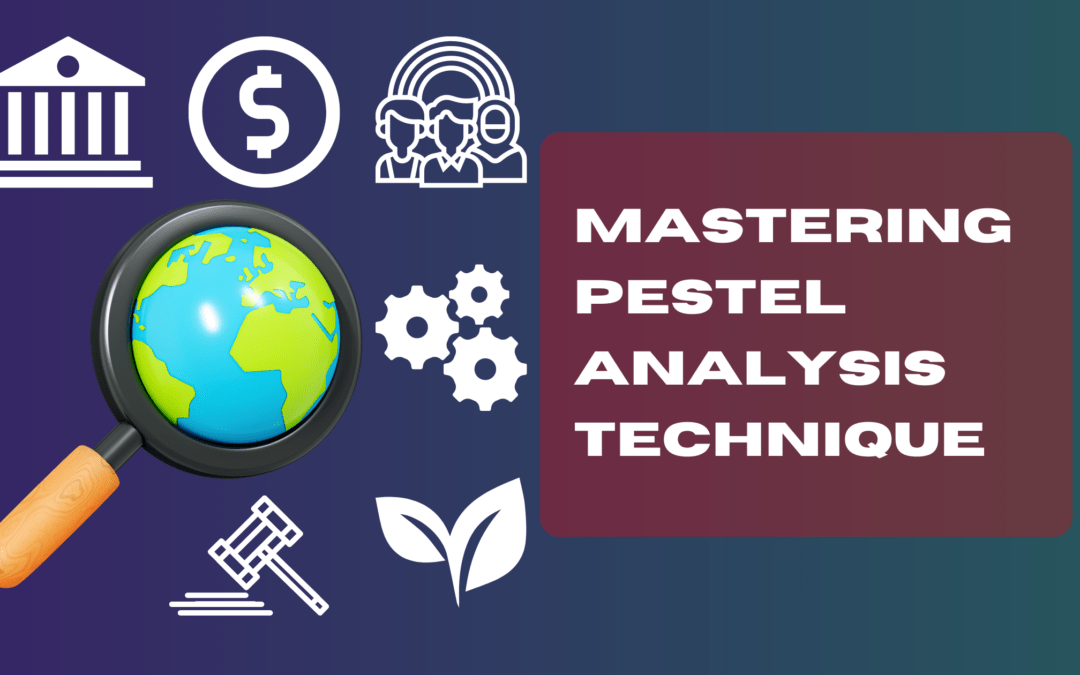
PESTEL Analysis Technique: Unveiling Strategic Insights for Business Success
In today's dynamic business landscape, staying ahead of the competition requires a comprehensive understanding of the factors that influence an organization's success. One such powerful tool that aids in this endeavor is the PESTEL analysis technique. This technique provides a structured framework to assess the external macro-environmental factors that impact a business. Whether you're an entrepreneur launching a startup or a seasoned executive navigating a mature market, embracing PESTEL analysis can unlock invaluable insights to drive informed decision-making.
1. Introduction
In the fast-paced business realm, making well-informed decisions is paramount. PESTEL analysis stands as a guiding light, illuminating the external factors that influence a company's operations, strategies, and overall success. Let's dive into this insightful technique and explore its various dimensions.
2. Understanding PESTEL Analysis
PESTEL analysis, an acronym for Political, Economic, Social, Technological, Environmental, and Legal analysis, provides a comprehensive framework for evaluating the external factors that shape an organization's environment. By scrutinizing these factors, businesses can anticipate potential opportunities and threats, fostering strategic planning and adaptation.
3. Political Factors
The political landscape significantly impacts businesses through policies, regulations, and government stability. Understanding the political climate helps companies foresee changes that might affect their operations, such as taxation policies or trade regulations.
4. Economic Factors
Economic shifts, including inflation, exchange rates, and economic growth, play a pivotal role in business success. Analyzing these factors aids in identifying market trends and potential financial risks.
5. Social Factors
Societal trends, cultural preferences, and demographics influence consumer behavior and demand. By grasping these dynamics, companies can tailor their products and services to resonate with their target audience.
6. Technological Factors
Rapid technological advancements can disrupt industries overnight. PESTEL analysis highlights technological trends, enabling businesses to embrace innovation and stay competitive.
7. Environmental Factors
Environmental consciousness is on the rise, impacting industries' sustainability efforts and consumer perceptions. Companies that integrate eco-friendly practices can gain a competitive edge.
8. Legal Factors
Legal and regulatory frameworks affect business operations, from intellectual property protection to labor laws. Adhering to these regulations ensures compliance and avoids potential legal pitfalls.
9. Benefits of PESTEL Analysis
PESTEL analysis offers a multitude of benefits, including risk mitigation, strategic planning, and enhanced adaptability. By dissecting the external environment, businesses can proactively respond to challenges and seize opportunities.
10. Applying PESTEL Analysis: A Step-by-Step Guide
1. Identify the Six Factors:
Begin by categorizing the factors - Political, Economic, Social, Technological, Environmental, and Legal.
2. Gather Relevant Data:
Collect data related to each factor, utilizing sources like industry reports, government publications, and market research.
3. Analyze and Prioritize:
Evaluate the impact of each factor on your business. Prioritize those with the most significant influence.
Develop strategies to capitalize on opportunities and mitigate risks identified through analysis.
11. Real-world Examples
Companies like Apple and Tesla have utilized PESTEL analysis to anticipate market shifts and innovate accordingly, showcasing its practical significance.
12. Challenges and Limitations
While powerful, PESTEL analysis has limitations, such as oversimplification of complex issues and the potential omission of micro-level factors.
13. Future Outlook
As the business landscape evolves, so will the relevance of PESTEL analysis. Its adaptability will continue to make it a crucial tool for strategic decision-making.
14. Conclusion
In a world of uncertainty, being equipped with insights is a strategic advantage. PESTEL analysis empowers businesses to navigate the intricacies of their environment, fostering growth, innovation, and resilience.
15. Frequently Asked Questions (FAQs)
1. Is PESTEL analysis only suitable for large corporations?
PESTEL analysis benefits businesses of all sizes, aiding in understanding the external environment's dynamics.
2. How often should PESTEL analysis be conducted?
Conduct PESTEL analysis periodically, especially during significant market shifts or strategic planning phases.
3. Can PESTEL analysis replace internal assessments?
No, PESTEL analysis complements internal assessments, offering a holistic view of the business landscape.
4. Are all PESTEL factors equally important?
The significance of each factor varies depending on the industry and business context.
5. Where can I learn more about implementing PESTEL analysis effectively?
Link to additional resources here:
In conclusion, PESTEL analysis is a potent compass that guides businesses through the ever-changing tides of the external environment. By embracing its insights, organizations can chart their course towards sustainable success in the competitive business seas.